Christmas Lights, Rising Waters: Rethinking Celebration in a Time of Crisis

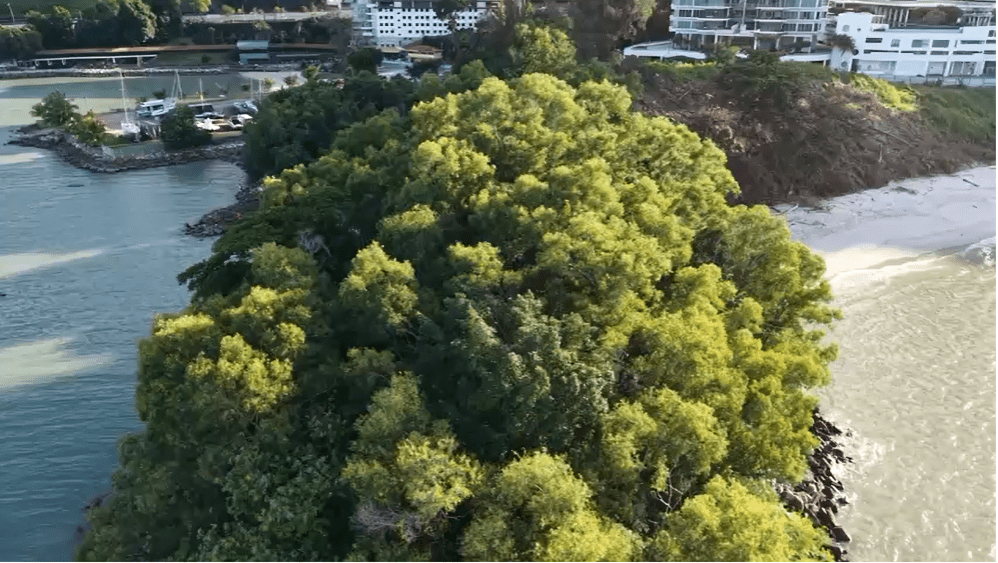
(AI-generated image)

As the year draws to a close, streets across Malaysia begin to sparkle with festive lights. Shopping malls hum with carols, homes are dressed in garlands and glitter, and year-end parties are pencilled into calendars. It is, as always, a season of joy and reunion — a time many look forward to with childlike excitement.

But just beyond the glow of decorations, another kind of December story is unfolding.

In flood-prone parts of Malaysia and across the region, families are not preparing for carolling or Christmas dinners — they are scrambling for safety. Torrential rains have once again triggered floods, landslides, and displacement, with homes damaged, roads cut off, and lives upended.  

Rescue workers— many of them volunteers — are working around the clock, mirroring the selfless urgency we saw during the Covid-19 pandemic. They are braving strong currents, coordinating evacuations, and ensuring the vulnerable are moved to dry, safe ground — often while others are checking off holiday shopping lists.

This isn’t to say we shouldn’t celebrate. Christmas, after all, is a season of hope. But perhaps, in the midst of our festivity, we are being invited to pivot — to expand the meaning of our joy beyond consumption and convenience.

What if our celebrations reflected compassion?

Can we reframe our gatherings to include awareness, solidarity, and generosity? Can we temper our spending with giving— not just to charities, but to neighbours, places of worship, or families rebuilding their lives from mud-soaked ruins?

We often speak of Christmas as a season of love — but love isn’t always warm and glittering. Sometimes, it looks like quietly diverting resources meant for gifts toward a family in a flood relief centre. Sometimes it’s choosing presence over presents — showing up to support disaster appeals, or amplifying the voices of those affected.  

It could be as simple as asking:  

– Can I help a community get back on its feet?  

– Can I donate warm meals, clothes, or flood essentials?  

– Can I reach out to a local mosque, temple, or church providing shelter?  

At its heart, the message of Christmas is not about comfort or décor. It’s about God choosing to be born into mess, uncertainty, and danger — a stable instead of a palace. A displaced family instead of a secure home. That divine choice continues to echo today, in the muddy evacuation centres and tired faces of those still waiting for help.  

This December, perhaps we are being called to choose presence over excess, mercy over merriment, and solidarity over spectacle.

So as we light our Advent candles, let us also light the way for others.  

Let us sing carols not just for joy, but for justice.  

And let our year-end reflections lead not only to resolutions — but to renewed compassion.
(AI-generated image)

Protecting Penang’s Coastal Heritage: Residents Rise Against Reclamation and Development

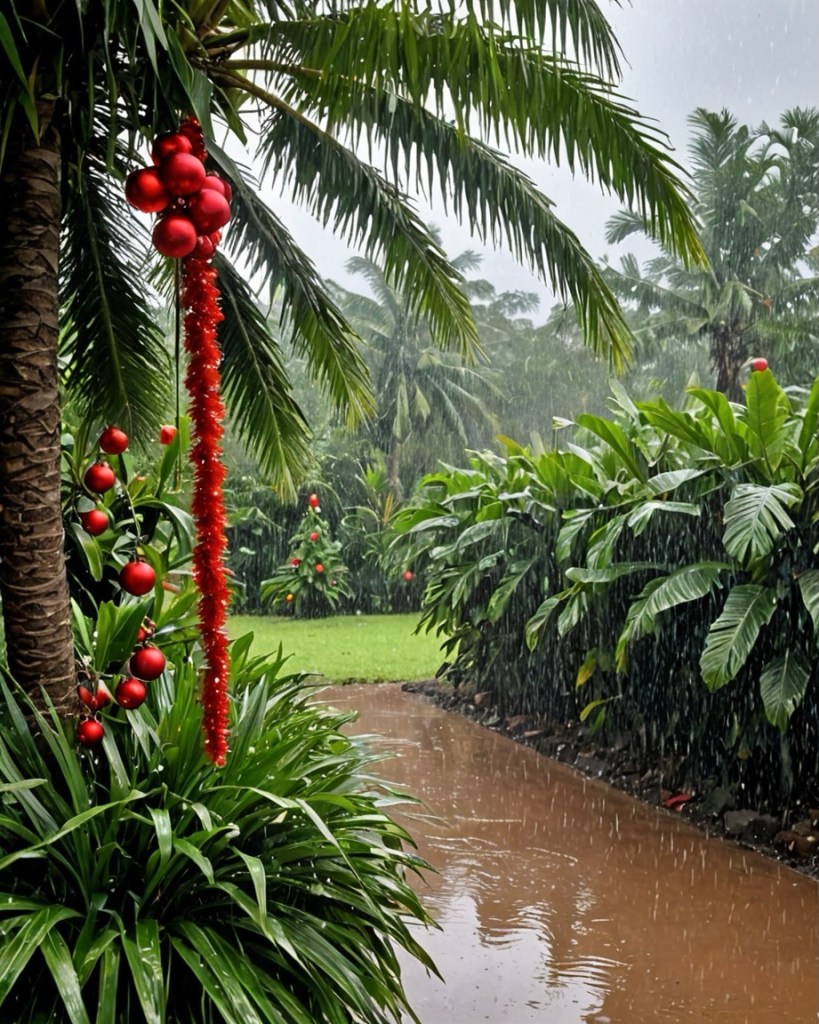
A courtesy drone shot of the “Sore Thumb”

Penang Island’s coastline, once celebrated for its pristine beaches, lively marine ecosystems, and breathtaking sea views, is undergoing rapid transformation. Reclamation projects continue to reshape the shoreline, driven by urban development ambitions and economic pursuits. While these projects promise progress, they also come at a cost — the loss of natural beauty, displacement of marine life, and a diminished sense of place for residents who cherish these coastal spaces.

One of the most visible symbols of this change is the ongoing reclamation along Gurney Drive. Once a vibrant seaside esplanade lined with local activity, it has gradually been overshadowed by towering constructions and expansive landfills. Over time, many of the sea birds that once called the area home have disappeared, their absence a stark reminder of the ecological toll these developments exact. The natural harmony that made Gurney Drive a beloved spot is now increasingly compromised as construction continues to rear its head on what was once a serene waterfront.

Most recently, residents of One Tanjung in Tanjung Bungah have voiced their concerns over a proposed development on a land parcel famously known as the “Sore Thumb.” This piece of land, perched precariously along the coast, offers panoramic views and a habitat for local birdlife. The planned development threatens not only to obscure these scenic vistas but also to displace the marine and avian species that have called this space home. The community’s protests highlight a growing awareness: development should not come at the expense of our environment and the livelihoods of those who depend on it.

Adding complexity to Penang’s reclamation story is the ambitious project dubbed ‘Silicon Island,’ a massive reclamation effort aimed at transforming parts of the coastline into a hub for technology and innovation. While such projects aim to elevate Penang’s status as a global tech center, they also raise pressing questions about ecological sustainability and community rights. The loss of natural coastal habitats, the disruption of marine ecosystems, and the visual impact on the island’s scenic beauty are concerns many residents and environmentalists have raised.

This ongoing narrative prompts a critical question: will more Penang residents stand up to protect their island’s coastline, or will they allow others to fight these battles alone? The future of Penang’s coastal environment depends on collective action and awareness. As history shows with Gurney Drive and now with the “Sore Thumb,” unchecked reclamation and development can erode the natural and cultural fabric of the island. It is vital that residents, activists, and policymakers work together to find sustainable solutions that balance growth with conservation.

The coastlines of Penang are more than just scenic backdrops; they are vital ecological corridors, cultural landmarks, and sources of livelihood. Preserving them requires vigilance, advocacy, and a willingness to challenge developments that threaten their integrity. As Penang continues to evolve, let us remember that safeguarding our coastal heritage is not just about protecting views — it’s about protecting the soul of the island for generations to come.

https://youtu.be/GdsxsmzXe1U?si=7jLjxsFBA4rc4Opl