Category Archives: Heritage

The Last Supper Bells of Penang — When Icons Fade Into Memory

From first dates to quiet celebrations, Three Sixty wasn’t just a place — it was a feeling. And soon, it becomes a memory
(courtesy photo Yeoh Kah Hock)

There are restaurants you visit for a meal, and then there are those you grow up with — places that quietly stitch themselves into the fabric of your life.

In Penang, food is not just sustenance; it is memory, identity, and ritual.

So when news broke that three beloved establishments — Ocean Green, The Ship (Jalan Sri Bahari), and 360 Revolving Restaurant — will be closing their doors by the end of this month (April), it feels less like business news and more like the turning of a page in Penang’s living history. 

A restaurant/sky-bar with many views

For decades, Ocean Green stood quietly by the sea — not flashy, not trendy, but deeply beloved. 

Generations of Penangites marked birthdays, reunions, and weekend dinners here, often accompanied by the sound of waves and the salty breeze.

It has not been just a seafood restaurant; it’s been a ritual.

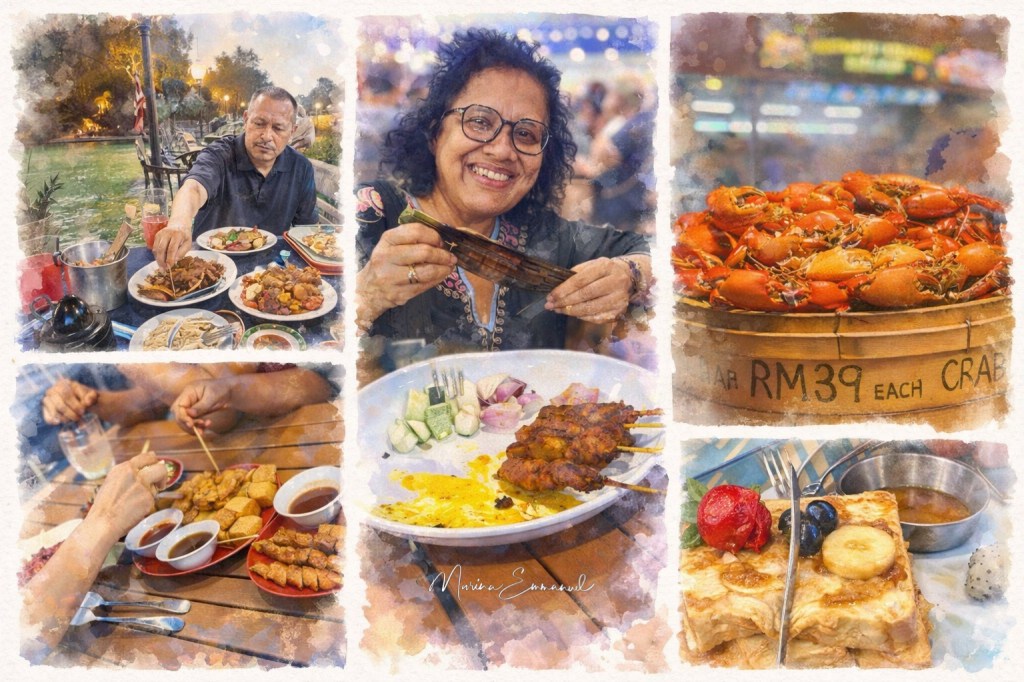
The smoky aroma of satay, the comforting familiarity of steamed fish and ‘Choon Pneah’ (spring rolls), and the communal joy of sharing dishes under open skies have made Ocean Green a place where time seemed to slow down.

It represents a Penang that was unhurried — where meals stretched into conversations and laughter echoed into the night.

Now, as it prepares to close at the end of April 2026, many are mourning more than just a dining spot. They are saying goodbye to a place where childhoods were celebrated and family traditions quietly formed.

Ocean Green has stood out not because it reinvented dining, but because it never needed to. It has remained steadfast — a constant in a rapidly changing culinary landscape.

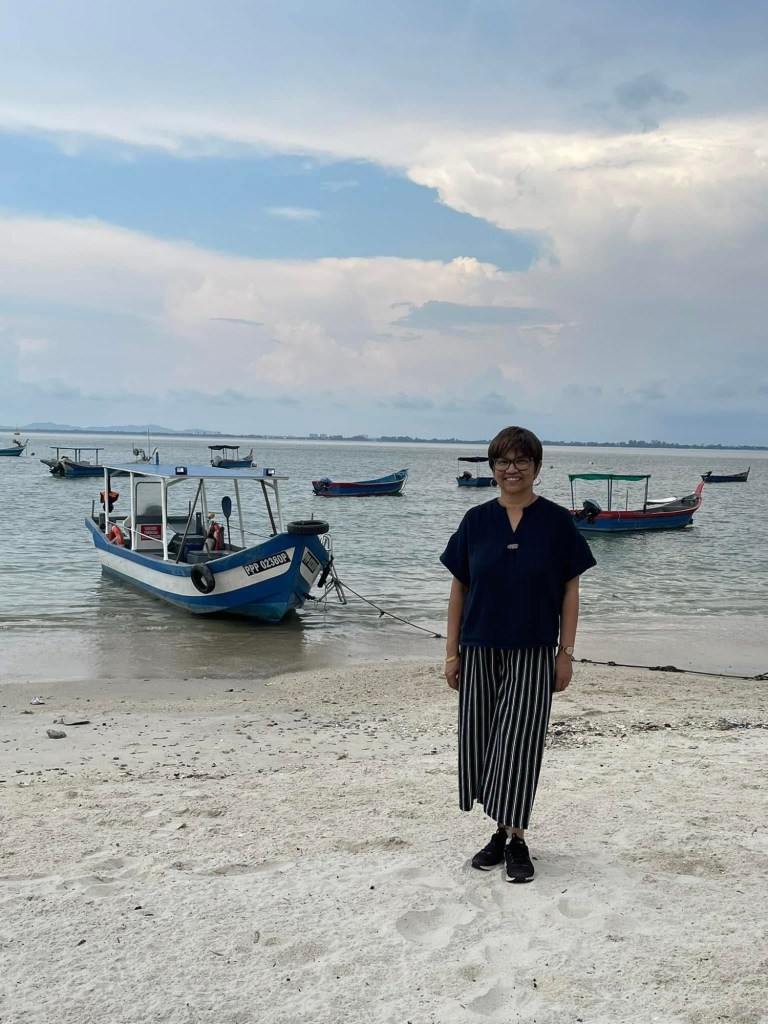
The late and fun-loving journalist Fauziah Varusay who had relocated to Australia, visited the beach fronting Ocean Green on her final trip to Penang

If Ocean Green was about the sea breeze, The Ship along Jalan Sri Bahari was about imagination grounded in the heart of George Town.

While many remember the Batu Ferringhi outlet, the Sri Bahari branch has carried its own quiet legacy — one rooted in decades of loyal patrons and timeless Western classics. 

Walking in felt like stepping into a different era: dark wood interiors, maritime motifs, and the unmistakable sizzle of hot plates arriving at your table.

For many Penangites, this was where Western dining became accessible and memorable — where steaks, garlic bread, and mushroom soup defined special occasions. 

It was where first dates happened, where families celebrated milestones, and where a sense of occasion was built into every visit.

More than just a themed restaurant, The Ship has represented a chapter in Penang’s evolution — when dining out meant dressing up, slowing down, and savouring the experience.

Its impending closure marks the fading of a time when restaurants told stories not just through food, but through atmosphere and ritual.

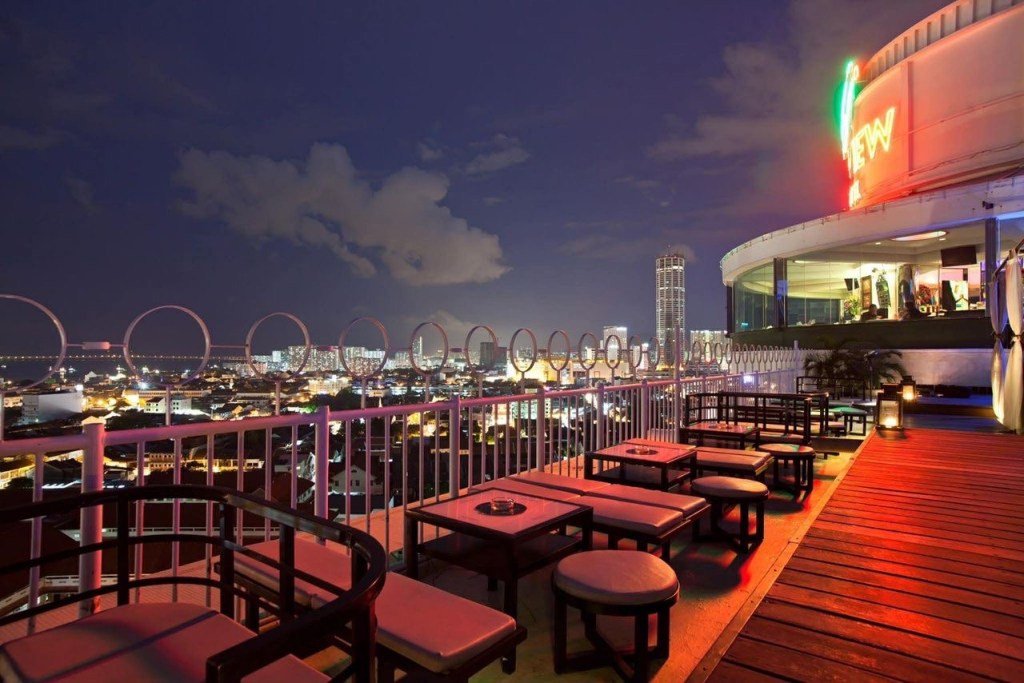
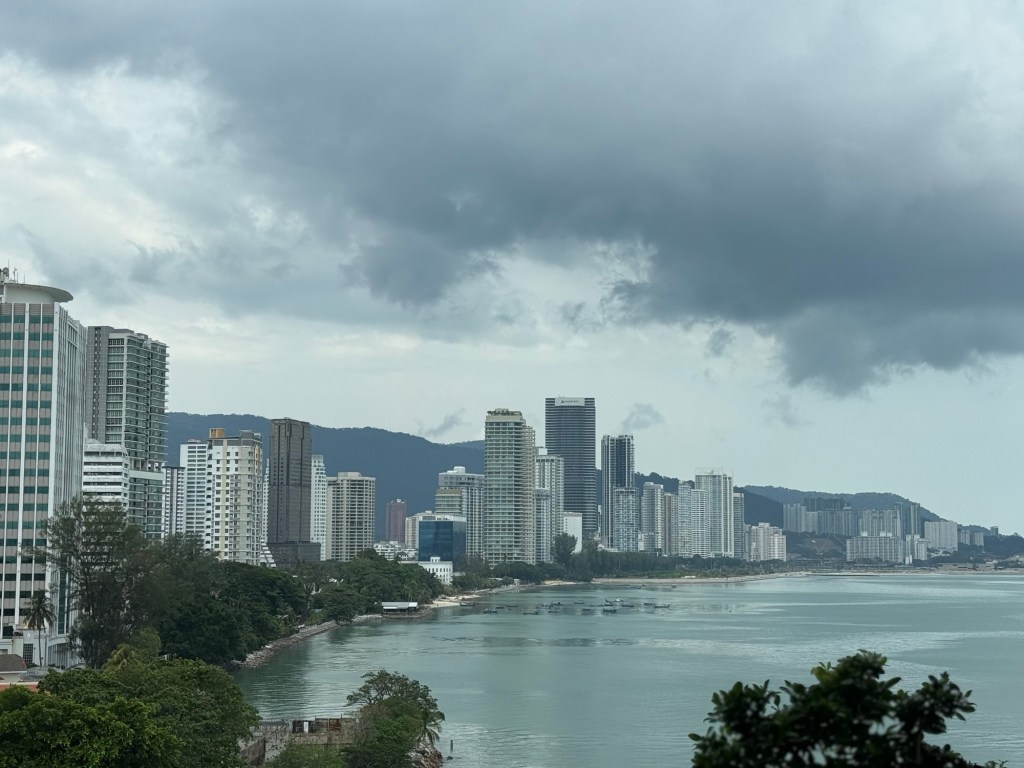
High above the city, 360 Revolving Restaurant at the top of City Bayview Hotel (now called Bayview Hotel Georgetown) has offered something few places could: perspective.

It wasn’t just about the buffet or the ambiance — it was about watching Penang move. Slowly rotating, the restaurant gave diners a panoramic view of George Town and beyond, transforming meals into moments of quiet reflection.

It became a symbol of a more modern Penang — one that embraced skyline views, elevated dining, and a touch of sophistication.


They came for the food, but stayed for the view … and are leaving with memories
(courtesy image Yeoh Kah Hock)

From romantic dinners to celebratory nights, the experience of watching the city shift beneath you made every visit feel cinematic. It was where proposals happened, anniversaries were toasted, and visitors saw Penang from an entirely different angle.

Now, as it prepares for its “final spin,” one of the island’s most recognisable dining experiences will soon become a memory.

What makes these closures so poignant is not just their longevity, but what they represent collectively:

• Ocean Green — the soul of seaside, communal dining

• The Ship (Jalan Sri Bahari) — the nostalgia of classic Western dining in the city

• 360 Revolving Restaurant (City Bayview Hotel) — the modern, elevated view of Penang

Together, they tell the story of an island through food — from humble coastal feasts to nostalgic dining rooms and sky-high experiences.

Penang’s food scene will continue to thrive — it always does.

New cafés will emerge, new trends will take hold. But places like these cannot be replaced, because they were never just about food.

They were about time.

And as April draws to a close, Penang isn’t just losing three restaurants.

It is quietly saying goodbye to three chapters of itself.

Ends.

The (food) stories that Penang tells
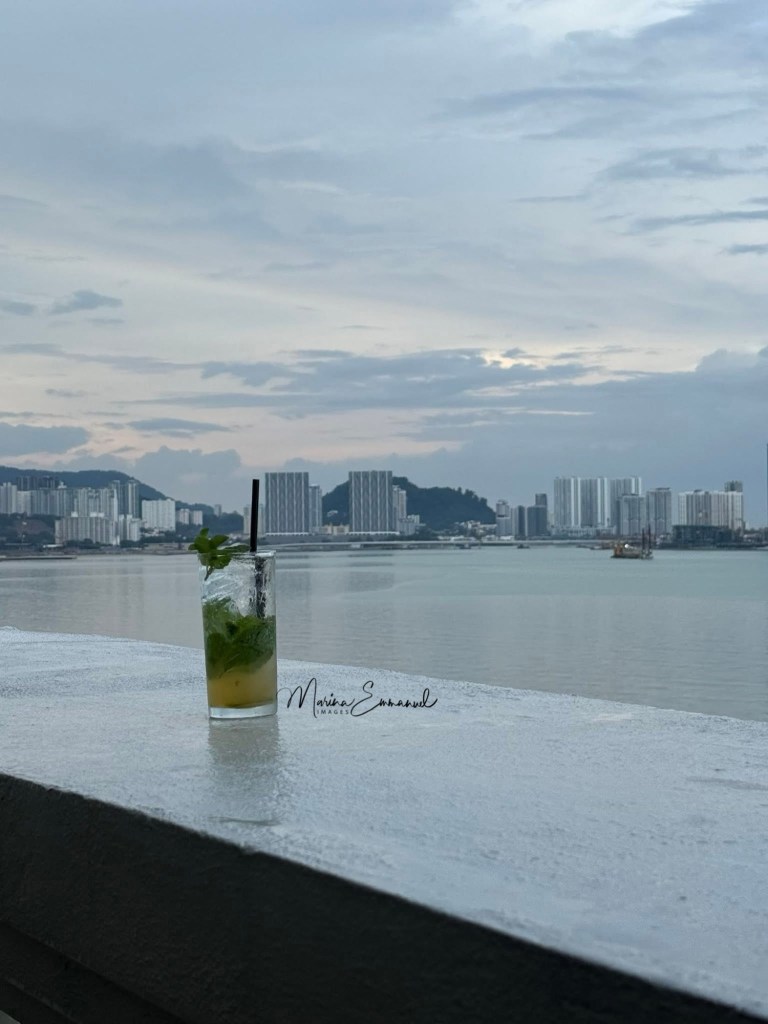
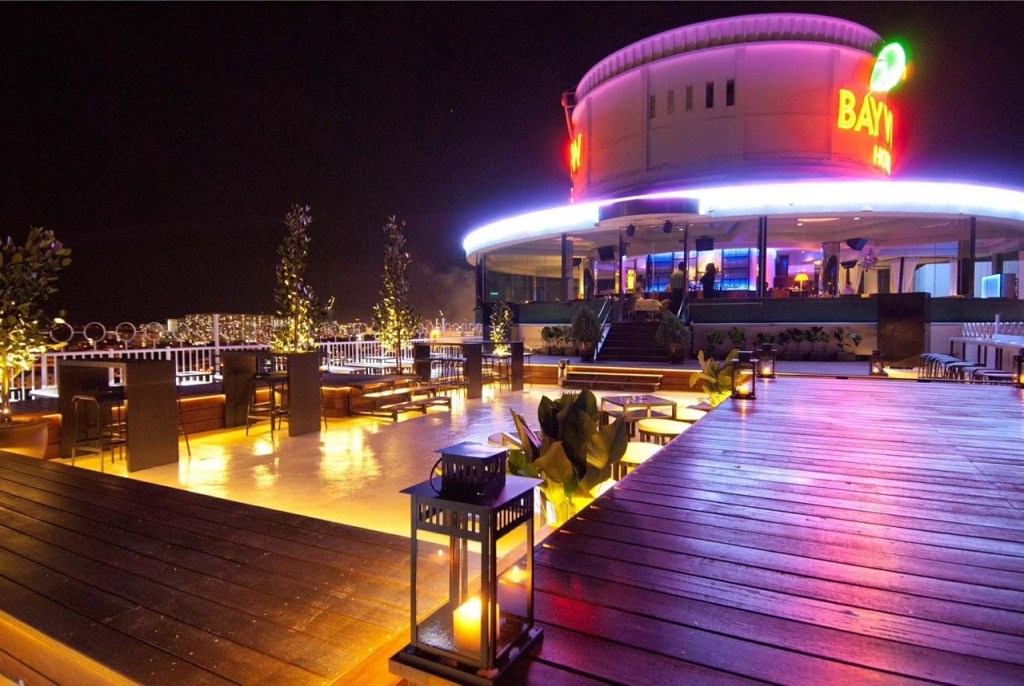
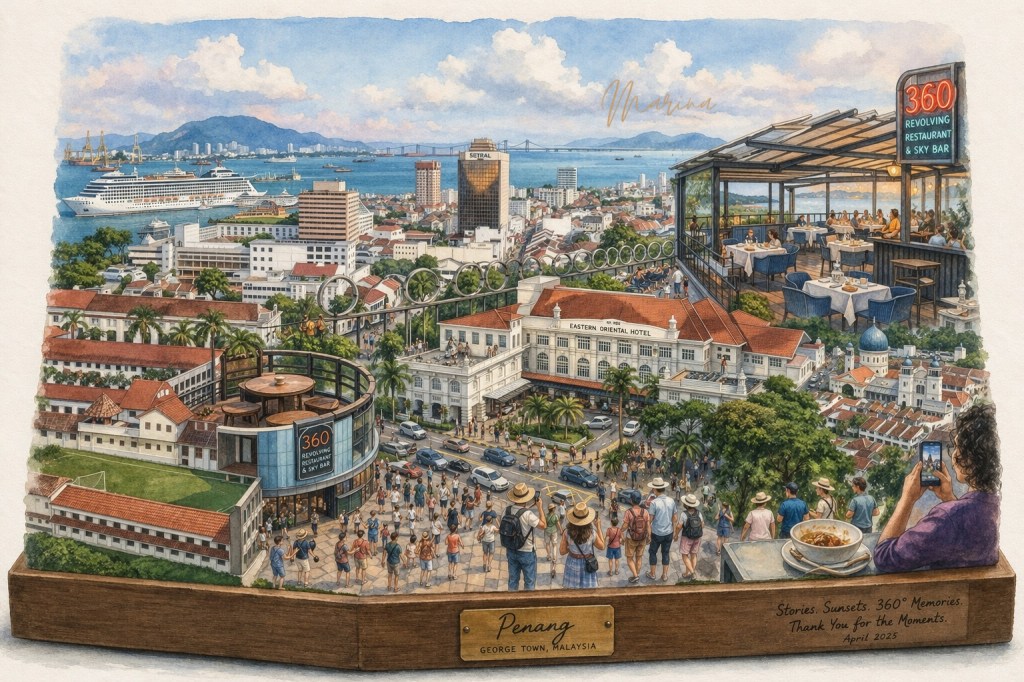
Precious memories and views of Penang from 360 Revolving Restaurant and Sky Bar

L’Occitane Brings Provençal Wellness to Penang

A new chapter for the Eastern & Oriental Hotel

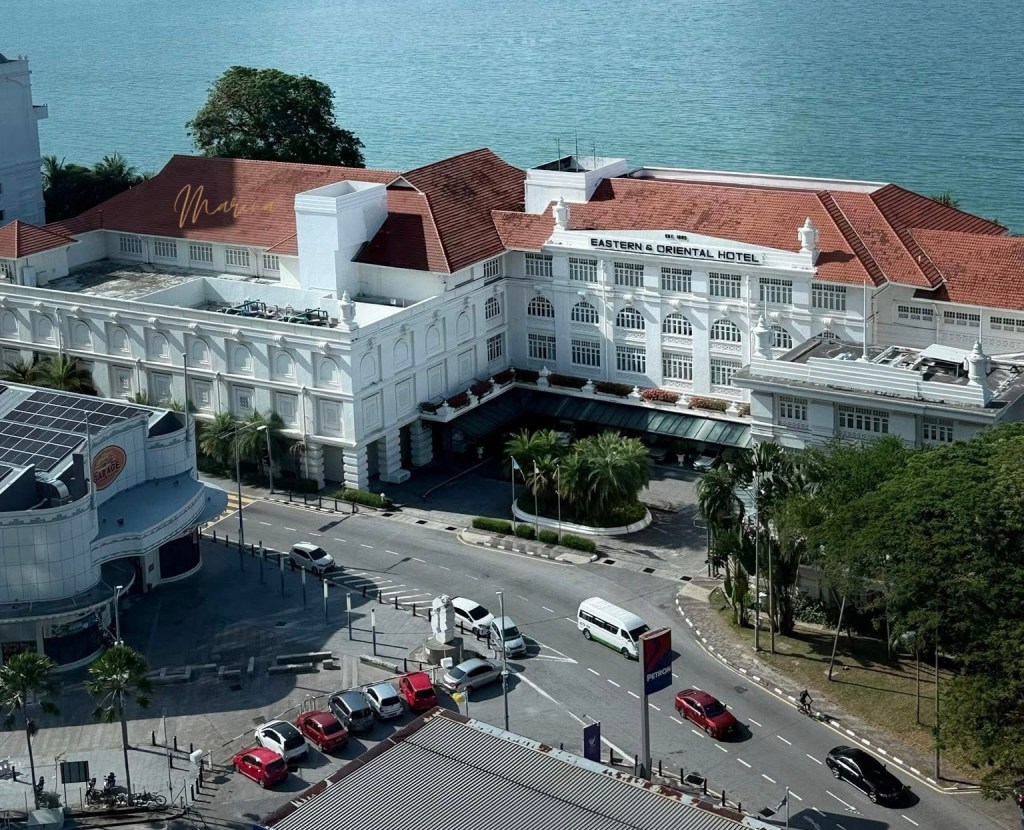
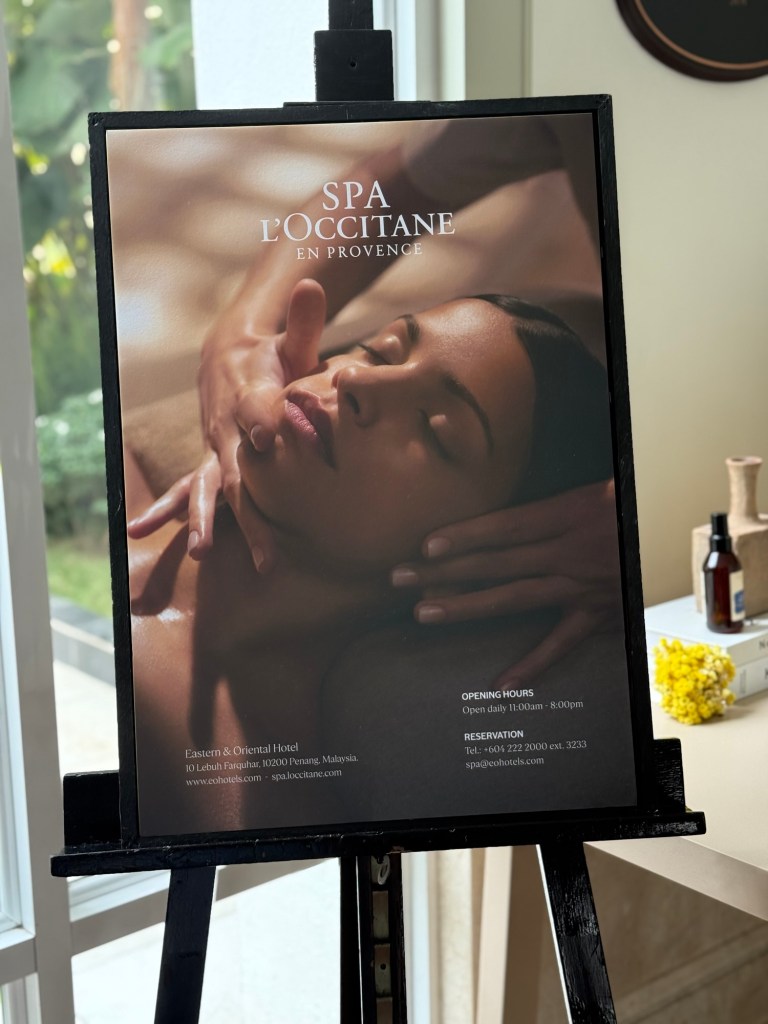
In a move that beautifully blends French wellness philosophy with Southeast Asia’s rich heritage, L’Occitane en Provence has brought  its signature spa experience to Malaysia in Penang—nestled within the storied walls of the Eastern & Oriental Hotel (E&O) in George Town.

The Spa L’Occitane en Provence marks a significant moment for both the brand and the destination: a meeting of timeless European sensorial luxury and one of Malaysia’s most iconic heritage hotels.

Perched along the seafront in George Town—a UNESCO World Heritage city—the Eastern & Oriental Hotel has long been synonymous with colonial elegance and old-world charm. Now, it has added a new layer to its legacy: immersive, nature-inspired wellness.

Welcoming all spa novices and junkies

As a L’Occitane fan (and spa junkie!), the recent announcements that a Spa L’Occitane is “coming soon” to the E&O Hotel, sent me sprinting over to check out one of the brand’s notable new openings in the region.  

The choice of location is no coincidence. L’Occitane’s spa philosophy I understand, thrives in environments that evoke tranquility, authenticity, and a sense of place—qualities that the E&O embodies effortlessly.

Founded in 1976 in southern France, L’Occitane built its identity around the natural ingredients and traditions of Provence—lavender fields, almond groves, and aromatic herbs.  

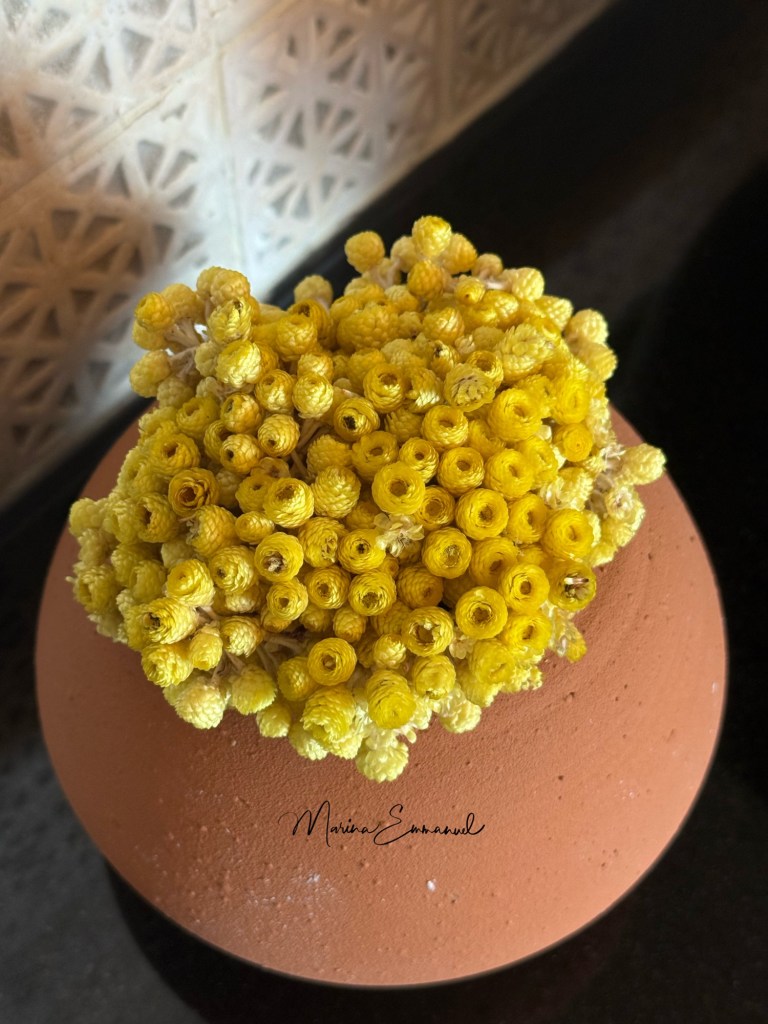
Immortelle flowers are one of the signature ingredients in a dedicated range of their products

Its spas extend that ethos into a multi-sensory wellness experience. 

Rather than simply offering treatments, Spa L’Occitane is designed as a journey—one that engages touch, scent, and ritual.

At the heart of the concept:

• Provençal botanicals such as immortelle, lavender, and shea butter

• Hands-on therapies delivered by trained therapists (mine was the lovely Shirley) 

• Holistic rituals that combine relaxation with measurable skin and body benefits

• A strong emphasis on sensorial immersion and wellbeing  

All well-loved L’Occitane products are used and found in its spas

Signature treatments include deeply relaxing aromachology massages and anti-aging facials powered by the brand’s proprietary formulations which were a magical way for me to de-stress post-Easter.

While L’Occitane is widely known for its boutiques, its spa division has quietly built a strong global presence.

Today:

• The brand operates over 100 spas across around 30 countries  

• Earlier figures show 90+ spas in nearly 30 countries, highlighting steady expansion  

• These spas are often housed within luxury hotels and resorts, including partnerships with brands like Sofitel , JW Marriott and now, the E&O.

Other notable locations include:

• Le Couvent des Minimes, France – a flagship destination set in a historic monastery

• Bali, Indonesia – tropical resort settings integrating local wellness traditions

• São Paulo, Brazil – urban sanctuary concepts

• Taipei and Hong Kong – where Eastern and Western aesthetics converge  

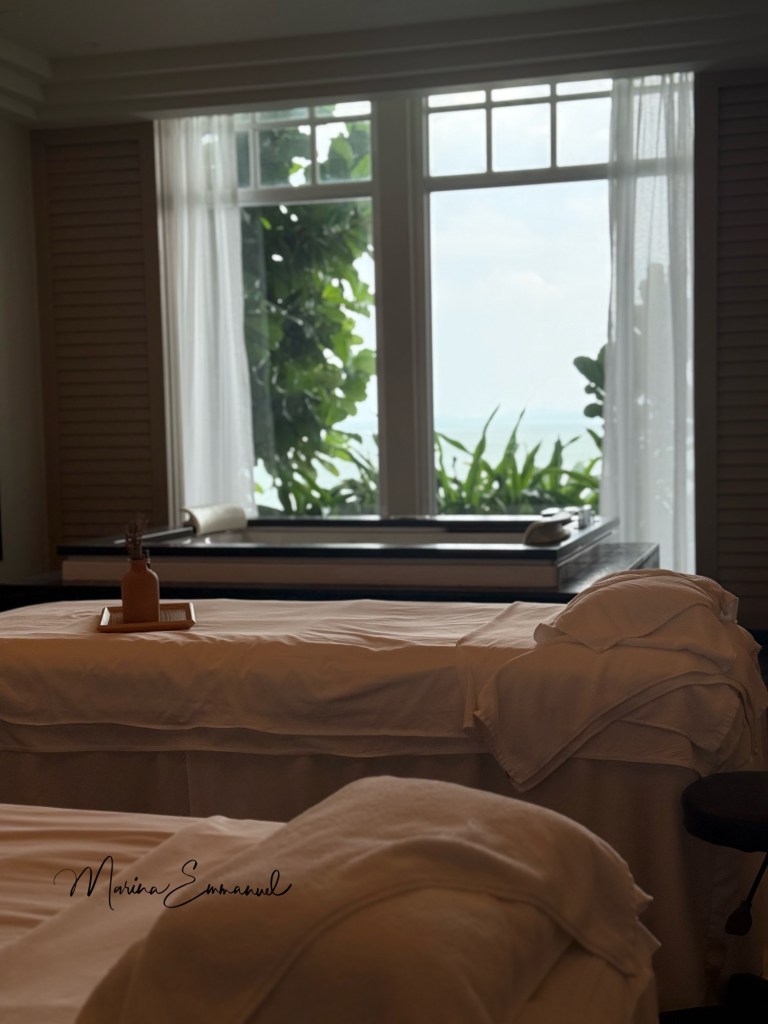
The brand’s shower amenities are found in the treatment rooms

Across these destinations, the brand adapts its treatments to local culture while maintaining its Provençal core—creating what it describes as a “360° wellbeing experience.”  

Penang has been steadily evolving into a lifestyle destination that balances culture, cuisine, and boutique luxury.

The arrival of Spa L’Occitane signals a broader shift: from heritage tourism to heritage wellness.

Welcome to spa bliss

By situating the spa within the Eastern & Oriental Hotel, L’Occitane is tapping into:

• The romantic nostalgia of colonial-era travel

• The growing demand for destination wellness experiences

• A regional audience increasingly drawn to premium, experience-led hospitality

This also aligns with L’Occitane’s broader strategy of embedding its spas within experiential environments, rather than standalone retail spaces.

For the Eastern & Oriental Hotel, the partnership enhances its positioning as more than a historic landmark—it becomes a wellness destination in its own right.

For travellers, it offers something rare: the chance to step from the vibrant streets of George Town into a sanctuary inspired by the lavender-scented hills of Provence.

And for Penang, it marks yet another step in its evolution—from cultural gem to holistic luxury destination.

In essence, L’Occitane’s arrival in Penang is not just about a spa—it’s about storytelling.

A story where French botanicals meet Malaysian heritage, and where the past and present come together in the most sensorial way possible.

Definitely calls for a return to sample more spa treats! 

Ends.

Penang and its spa possibilities have levelled up

#LOccitaneSpa #PenangLuxury #EOHotelPenang #SpaLuxeExperience #ProvenceMeetsPenang

Small Scene, Big Nostalgia — Sin Kee in Miniature

KL old-school treat

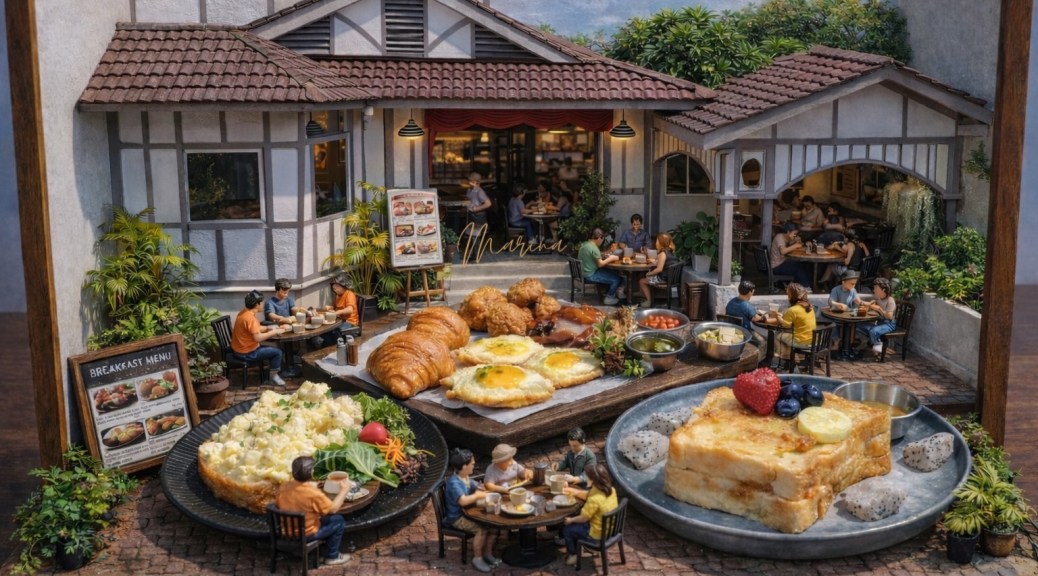
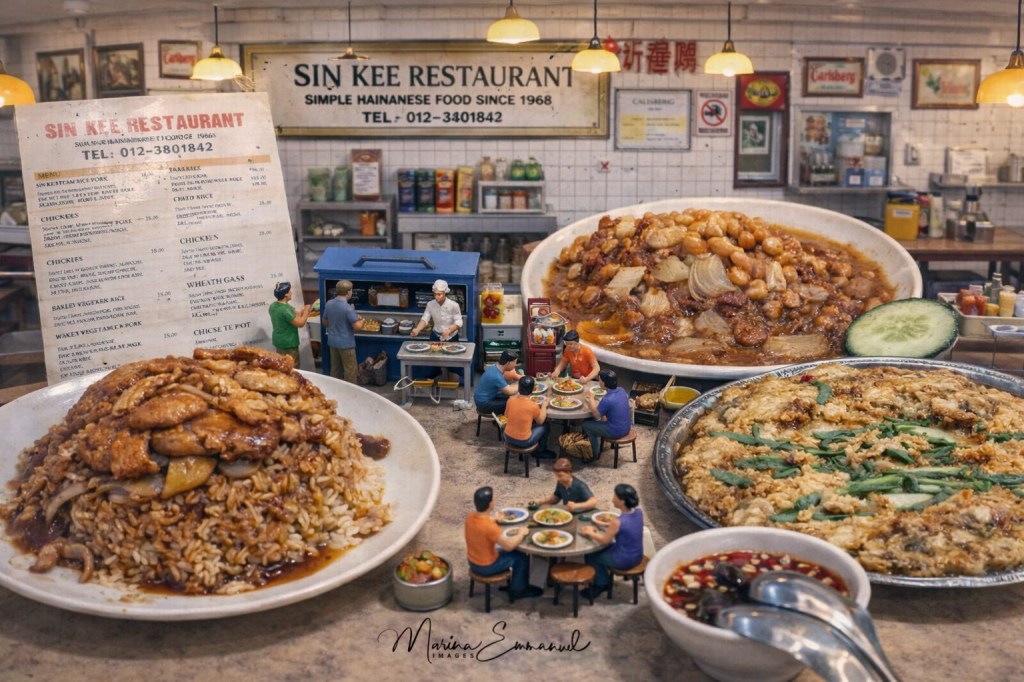
Welcome to my miniature take on Sin Kee Restaurant — a true old-school Hainanese kopitiam tucked away in Brickfields, Kuala Lumpur.

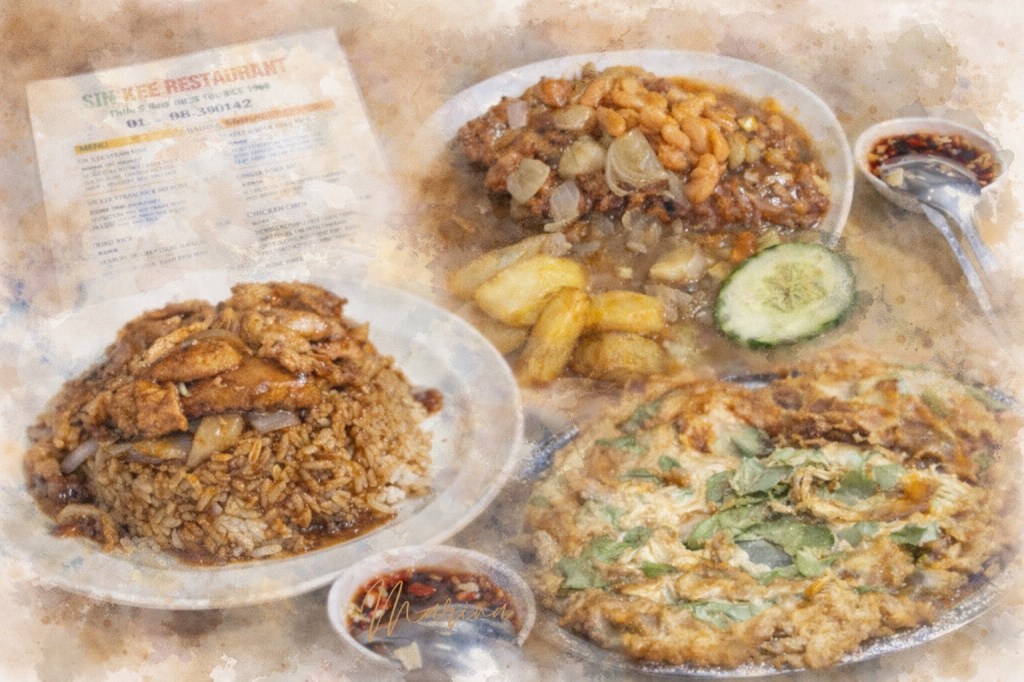
No frills, no fuss — just decades of honest cooking since 1968. Sin Kee has quietly built its reputation on comforting classics like Hainanese chicken chop, pork chop rice, and rich, gravy-soaked fried rice that hits every nostalgic note. It’s the kind of place where recipes haven’t changed, and neither has the charm.

In this little diorama, I imagined their iconic dishes as a bustling kopitiam scene — where tiny diners gather around larger-than-life plates, soaking in that familiar, comforting atmosphere we all know and love.

Because sometimes, the simplest places leave the biggest impressions. 

#MiniatureWorld #DioramaArt #KopitiamVibes #SinKee #Brickfields #KLFoodie #HainaneseFood 

Restaurant Sin Kee, 194 Jalan Tun Sambanthan, Brickfields, 50470 KL

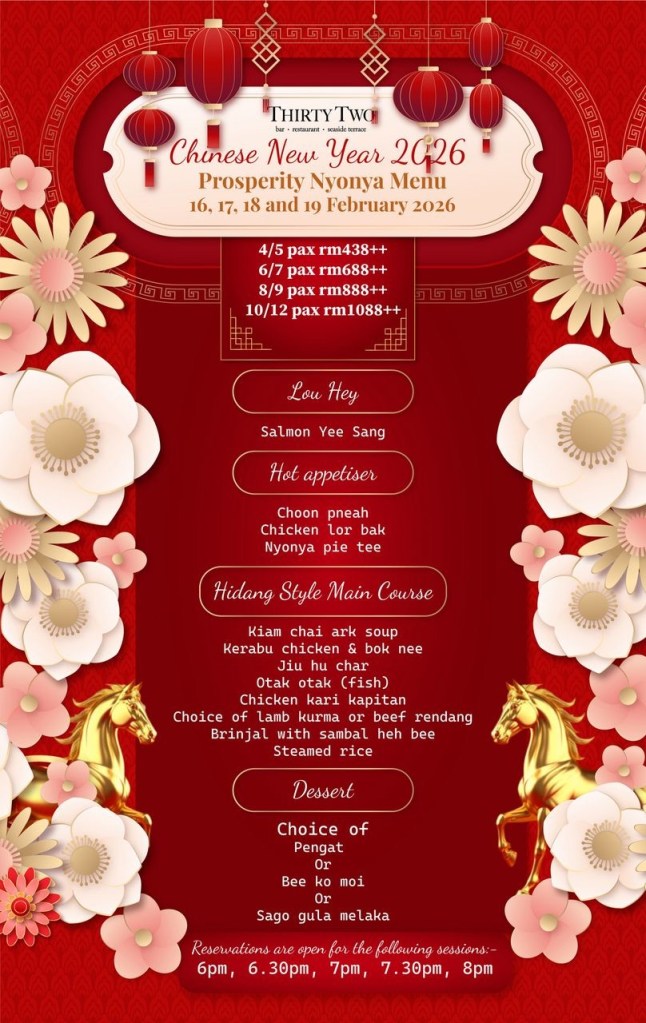
A Peranakan Feast to Welcome the Year of the Horse

Star-topper Serabai or “Apom Bokwa/Berkuah” at 32 Mansion

Since the start of the year, it’s been a whirlwind of Peranakan delights for me. 

Today’s Nyonya food promotion at 32Mansion, nestled along Jalan Sultan Ahmad Shah, was yet another cherry on top 🍒, Kah Hock and his team have truly nailed it!

The flavours… oh, the flavours 😍! It’s like a warm hug from Nyonya mum Nora (for those who know) herself. 

Each dish is a masterclass in balance, with the perfect blend of spices, herbs, and love ❤️. The stuffed asam fish with its tangy tamarind and fragrant lemongrass, transported me straight back to the kitchens of Peranakan grandmas. 

The pie-tee game here was also upped with crisp top-hat shells and a refreshing filling with just the right amount of chilli kick 🌶️.

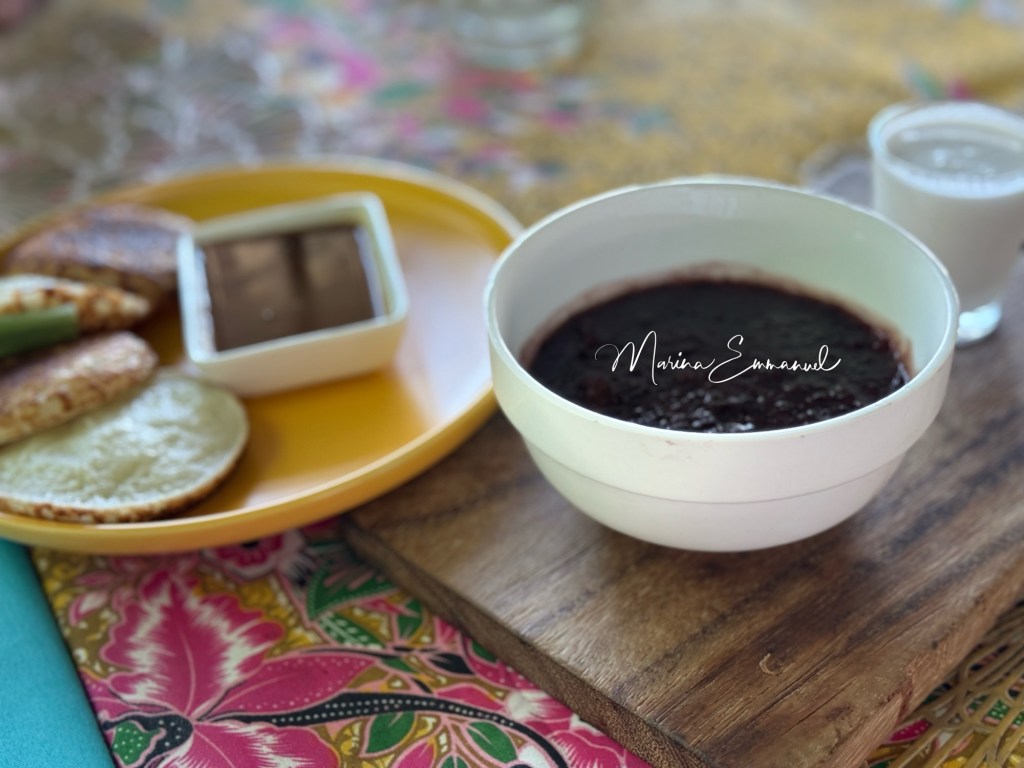
But the show-stopper was the “serabai” which Nora’s daughter and I opted for dessert. 

Serabai, (also known as serabi in Indonesia), is a traditional Southeast Asian pancake or crumpet found in Penang made primarily from rice flour and coconut milk. It has a soft, spongy, and bubbly top with a slightly crispy base and is typically served as a sweet or savoury snack or dessert and enjoyed with a coconut and palm sugar syrup. 

Today’s lunch with Lil Sis Jo wasnt just a meal; it was a homecoming. 

A reunion of sorts, where the familiar flavours of Nyonya cooking bring back memories of loved ones and laughter shared around the dinner table. As we gather with family and friends for this Lunar New Year, there’s no better way to bond than over a feast of these comforting, soul-willing dishes. 

Kudos to Kah Hock at the sea-fronting 32Mansion, for crafting a culinary experience that’s sure to leave you feeling like you’re back in the bosom of your (real or adopted) Peranakan family 💕. 

Can’t wait to return  for more! 😋 

#PeranakanCuisine #NyonyaFood #32TheMansion #FoodiePenang #ChineseNewYearFeast

32Mansion / Beach Blanket Babylon

32 Jalan Sultan Ahmad Shah,

10050 George Town, Penang

Tel: 604-2622232

From Jewels to Jiu Hu Char : Aunty Gaik Lean’s Old School Charm on Bishop Street

Jiu Hu Char (stir-fry jicama with cuttlefish)

In the heart of George Town’s heritage district, Bishop Street whispers stories of elegance, history, and reinvention. 

Once home to the prestigious B.P. de Silva jewellers, this iconic row carried a reputation for luxury, refinement, and timeless craftsmanship — with a clientele that included royalty and dignitaries along with high society from across the region.

Today, in a delightful twist of heritage, that very space once filled with velvet-lined showcases now draws admirers of a different kind — food lovers. 

Entrance to the former B.P De Silva which is today home to Aunty Gaik Lean’s Old School Eatery
Award-winning one star Michelin restaurant

Stepping into the four-times awarded one-star Michelin Aunty Gaik Lean’s Old School Eatery, feels like walking into a lovingly preserved memory — with warm Peranakan hospitality, family recipes, and an unmistakable sense of home.

A Taste of Nostalgia, Reimagined

What sets Aunty Gaik Lean’s apart is not just its rich, authentic Nyonya flavours, but its Muslim-friendly menu that has not compromised on quality or taste. It’s a rare and respectful adaptation of traditional cuisine, made accessible to more diners without losing the heart of its heritage.

The nasi ulam is aromatic and vibrant, and the sambal belacan — bold as ever. Even vegetarian diners, including many from the Indian subcontinent, have found the dishes flavourful and deeply satisfying — a testament to the careful balance and generosity in the kitchen.

Where History Meets Heart

To dine here is to savour more than food. You sit where once patrons browsed fine gems under chandeliers, in a building that quietly cradles Penang’s evolving story — from colonial-era commerce to culinary celebration. 

The echoes of B.P. de Silva’s prestige lend a quiet dignity to the eatery, while the cheerful clatter of cutlery and scent of shallots signal a more grounded kind of luxury: a meal made with love.

Whether you’re drawn by memories of kampung cooking or curiosity for the space’s storied past, Aunty Gaik Lean’s offers more than just lunch or dinner — it offers a taste of heritage, harmony, and hospitality.

So, pull up a chair. The past has never felt so warm.


Auntie Gaik Lean’s Old School Eatery is located at 
1, Lebuh Bishop,
10200 George Town, Penang, Malaysia.

Contact +60 17-434 4398 (for reservations/inquiries)

Sparkling Overlap … a tale of two celebrations

Every day is a celebration with these avatar-like vibes

In a diverse and multicultural nation like Malaysia, respect and sensitivity towards different cultures and religions should be at the core of every company’s values and practices. 

Recent observations highlight a concerning trend: before and during  the celebrations of Deepavali, (the Festival of Lights cherished by Hindus, Sikhs, Jains and some Buddhists globally), and many establishments have swiftly transitioned to Christmas decorations, often without regard for the cultural significance of either occasion.

This apparent lack of sensitivity raises important questions about corporate awareness and respect for Malaysia’s rich tapestry of traditions. 

It’s not merely about seasonal decorations; it’s about acknowledging and honoring the cultural and religious identities that make our society unique. When companies jump the gun or fail to recognize the significance of festivals like Deepavali, it can come across as dismissive or tone-deaf, fostering feelings of exclusion or disrespect among communities.

This isn’t an isolated incident. Such oversights have happened before and, regrettably, are likely to occur again if there isn’t a conscious effort to foster cultural awareness. 

For local companies and foreign corporations operating here, it’s imperative to understand that celebrating diversity isn’t just a moral obligation—it’s good business. 

Respecting cultural sensitivities builds trust, enhances brand reputation, and demonstrates genuine commitment to the communities they serve.

Moving forward, companies should adopt a more thoughtful approach to their marketing and decor choices. 

Recognizing and celebrating each festival in its appropriate time and manner sends a powerful message of inclusivity and respect. 

Simple gestures like delaying Christmas decorations until after major festivals like Deepavali can make a significant difference.

Malaysia’s multicultural fabric is a source of pride and strength. Let’s encourage our corporations—both local and foreign—to be more perceptive, respectful, and culturally-aware. After all, true inclusivity is about celebrating everyone’s traditions, not overshadowing them.

Deepavali vibes in Penang’s Little India

(UPDATE)

The tendency of some Malaysians to wish all Indians a “Happy Deepavali” without recognizing its religious significance highlights a broader issue of cultural misunderstanding and superficial appreciation.

Deepavali, also known as Diwali, is primarily a Hindu religious festival celebrating spiritual victory, light over darkness, and the triumph of good over evil. While it has culturally-rich traditions that many Malaysians observe, its core is rooted in religious beliefs and rituals.

This phenomenon may stem from a desire to be inclusive or show respect in a multicultural society.

However, it can inadvertently lead to the oversimplification of complex religious festivals into mere cultural events. Similarly, many people extend Christmas greetings without fully understanding its religious origins, viewing it as a cultural holiday celebrated worldwide rather than a Christian religious observance.

The core issue lies in awareness and education. Recognizing the distinctions between religious and cultural celebrations fosters genuine understanding and respect. It encourages celebrating festivals in their true spiritual context rather than as generic holidays.

As Malaysia continues to embrace its diversity, promoting informed appreciation of each community’s traditions can strengthen social cohesion while respecting the unique religious identities that underpin these celebrations.

From diyas to desserts …

Sweetness of Deepavali

More than just sugar and spice — these colourful treats are a celebration of light, love, and victory! 🪔

Deepavali (or Diwali) marks the triumph of good over evil, light over darkness, and hope over despair. As lamps glow in homes, so do hearts — and yes, so do dessert tables!  

From ladoo to halwa to coconut candy, every sweet tells a story of heritage, joy, and togetherness.  

So go for it — take another bite. This festival is meant to be savoured! 

#Deepavali2025 #FestivalOfLights #SweetTraditions #GoodOverEvil #LightWins #CelebrateWithJoy #IndianSweets #CulturalHeritage

Forget the lights, I’m just here for the sweets!

From Sacred Echoes to Digital Dreams

A photo of the Assumption Church taken on a cloudy day . Transformed into an image on canvas with digitally-generated cotton representing the clouds based on actual photographs (courtesy image: Leonard Selva Gurunathan)

Nestled within the UNESCO World Heritage core zone of George Town, Penang, the Church of the Assumption stands as a testament to the island’s rich history and cultural tapestry. 

Established in 1787, this historic Roman Catholic church has long been a spiritual and community cornerstone, seamlessly blending tradition with modernity. 

Among its treasured heritage is its magnificent pipe organ, fondly known as ‘The Old Lady’ – a majestic instrument that has echoed through generations, accompanying countless masses, religious ceremonies, and musical celebrations, and holds the distinction of being Malaysia’s oldest pipe organ.

Recently, a passionate pipe organist and music enthusiast – Leonard Selva Gurunathan – embarked on an innovative project to trace and showcase the church’s musical roots. 

Leveraging the power of artificial intelligence (AI) and a suite of cutting-edge tech tools with good old-fashioned research, he has crafted a compelling video narrative that highlights the journey of the pipe organ and its profound role in the life of the church.

The project began with meticulous research into the church’s history, archives, and the evolution of its musical traditions. 

A digital image of the Assumption pipe organ transformed into a diorama setting by Leonard Selva Gurunathan

“ The visual part of the video was done with the use of AI, “said Leonard, “while the rest of it was based on old-school research methods which included going through newspaper archives as I typed the information I needed into the prompts,” he added. 

The audio component of the video is based on a live recording put together by Leonard. 

“I curated the story,” he notes, “based on the duration of the music.”

To visualize the church’s and pipe organ’s rich history, Leonard employed AI-powered video editing and animation software. These tools transformed static images and archival footage into dynamic visuals, illustrating the organ’s physical changes, restorations, and its integration into the church’s liturgical life over the years. 

The entire production has served as a testament to how technology can serve as a bridge—connecting heritage, faith, and innovation.

The resulting video not only celebrates the Church of the Assumption’s storied past, but also highlights the enduring significance of its pipe organ as an instrument of worship and cultural identity. 

It underscores how the organ has witnessed generations of worshippers and has become an integral part of the church’s spiritual and community life.

This project exemplifies how modern tools can be harnessed to preserve, interpret, and share heritage in compelling ways. It also emphasizes the importance of safeguarding such cultural treasures within UNESCO’s protected zones, ensuring that future generations continue to appreciate the rich tapestry of history, faith, and music.

As the Church of the Assumption continues to serve its community within the vibrant streets of George Town, its story—enhanced by AI, technology and old-school research methods – reminds us that tradition and innovation can go hand in hand. 

By blending historical preservation with modern storytelling, Leonard’s creative endeavour invites us all to reflect on the enduring power of music, faith, and heritage in shaping our collective identity.

The Assumption Church building photographed by Leonard Selva Gurunathan is transformed into a diorama using natural materials
Continue reading From Sacred Echoes to Digital Dreams

Echoes in the church – Pipes, Drums and the Old Lady

The Jubilee Concert at the Church of the Assumption (courtesy image – Boon Tiong)

Two Saturdays ago, the Church of the Assumption in Penang became a living instrument for a concert that stitched tradition, youth, and reverent sound into one unforgettable evening. 

The church was welcoming, with the soft rustle of pews, as Saint Xavier’s Institution Corps of Pipes and Drums took the “stage”, their drums beating in confident, marching heartbeats and the pipes lifting like clear, silver voices. The opening procession felt less like a performance and more like a rite of passage—bold, bright, and glinting with pride.

The choir followed with a range soars-high and whispers-soft, a bright thread weaving through the nave. Their blend was lush yet precise, each phrase carried by a spine of harmony that filled every corner of the church. It’s a rare gift to hear a room feel both intimate and exultant at once, and that night, the choir’s voices did that subtle magic, lifting without ever shouting. Choir master Claude Richards’ baton moved with equal parts discipline and warmth, drawing clean lines and then dissolving them into shimmering colour, as if pulling rainbows through the arched ceiling.

Assumption Church Choir with His Eminence Sebastian Cardinal Francis, Bishop of Penang (courtesy image – Boon Tiong)

Between addresses and pieces, the “Old Lady”—the heritage church’s pipe organ—held court with patient majesty.

Resident organist Leonard Selva Gurunathan and neighbouring St George’s Church pipe organist, Matthew Arwinraj, took turns to  coax “conversations” which began with a whispered echo and blossomed into grand, cathedral-scale statements.

Pedals clicked like distant thunder, and the tonal palette—great, flute, principal—poured through the nave with a timber that felt both ancient and newly-minted for the moment. If the pipes are the church’s memory, the Old Lady spoke it aloud: a history lesson told in luminous chords, each note lingering in the vaults long after it was spoken.

The ripple of the Corps of Pipes and Drums kept the energy alive even as the choir’s velvet harmonies settled the room into hushes of awe. When the final chord faded, the silence stretched, a shared breath between performers and listeners, before breaking into sustained applause that seemed to say, “Thank you for listening as deeply as you were listened to.”

Leaving the church, the night felt lighter, as if the walls themselves still hummed with the collaboration of youth, faith, and music. It was more than a concert; it was a celebration of community, tradition, and sound that lingers in the heart long after the bells have faded.

Choir master Claude Richards (extreme right, in white shirt) with his members and other concert performers (courtesy image – Boon Tiong)

Joy of Lent

Life is about balance

Indulging in a little sweetness during Lent! While focusing on reflection and growth, there’s always room for a scoop (or two) of artisan ice cream! 

These delightful flavours are the perfect treat to remind us that life is about balance. What’s your favourite way to enjoy Lent? 

#Lent #ArtisanIceCream #TasteofJoy

Wonkie Ice Cream is located in George Town at 21D, Lebuh Pantai, 10300 Penang (closed on Mondays)