Tag Archives: George Town

An Afternoon in Timeless Green

I had heard so much about Seri Kaya before my visit, but nothing quite prepared me for how it would actually feel to be there.

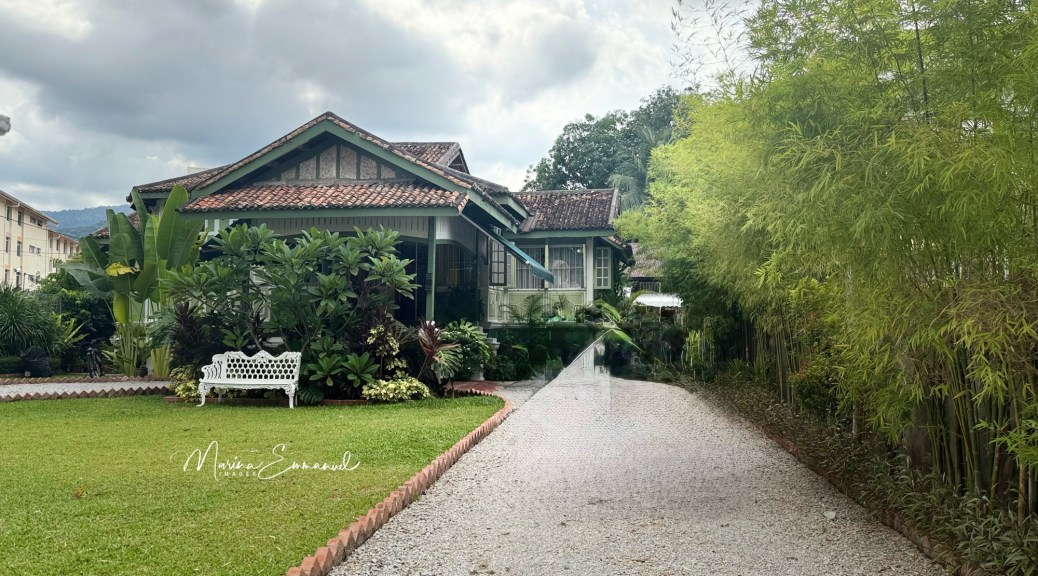
Seri Kaya … grace in every detail

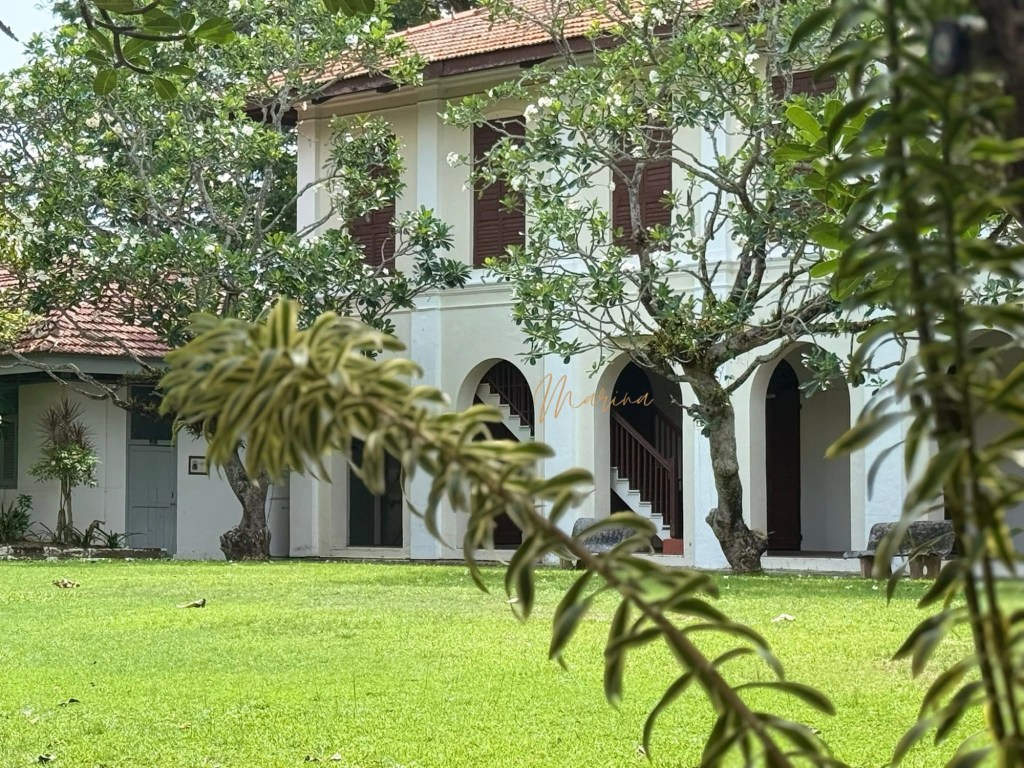
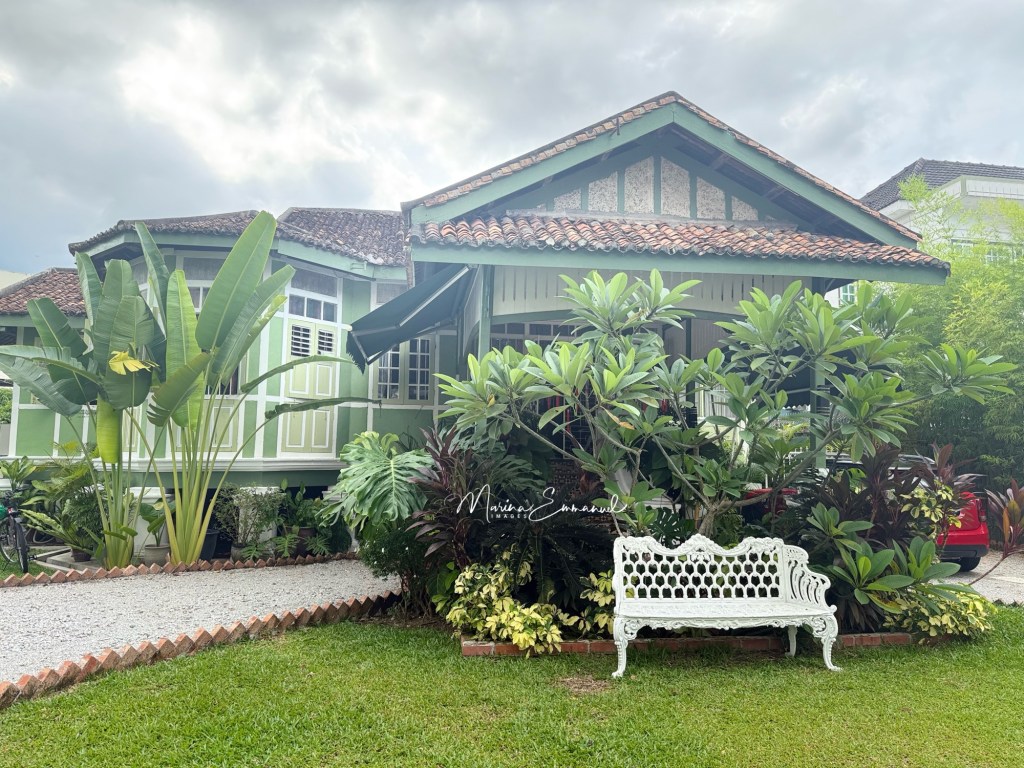
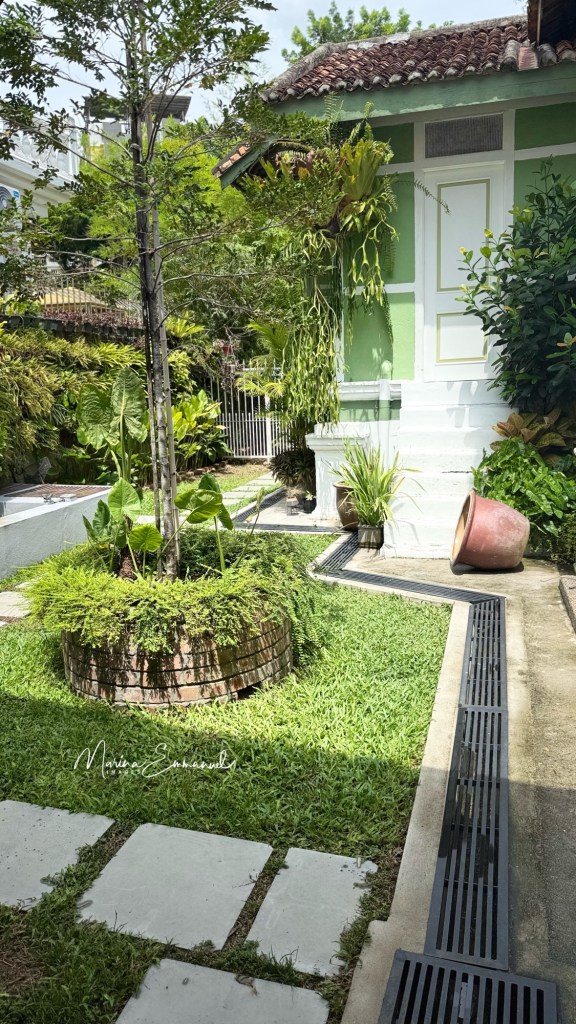
Tucked quietly within George Town, the house revealed itself not with grandeur, but with a kind of gentle confidence. The moment we arrived, that signature soft green exterior struck me—not loud, not showy, but deeply calming, as though the house had long ago made peace with its surroundings. It felt both rooted and welcoming, a rare balance.

Green touches at Seri Kaya

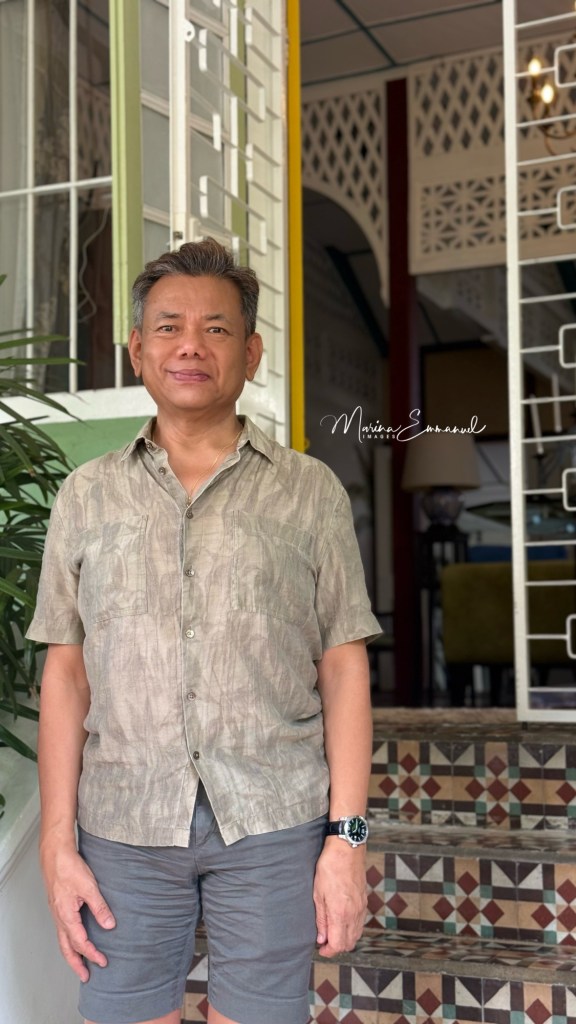
What stayed with me most throughout the visit was the unmistakable presence of its owner, Kah Hock—not physically in every room, but in every decision.

Kah Hock brings past & present to Seri Kaya

This was clearly not just a restoration project. It was a deeply personal act of care. Every beam, every panel, every preserved detail felt intentional, as though the house had been listened to rather than redesigned.

Walking inside, the spaces unfolded beautifully. The high ceilings with their intricate latticework allowed light to drift in softly, creating a warmth that never felt staged. The Anglo-Malay architecture held its elegance effortlessly—timber textures, airy proportions, and that wonderful sense of openness that older homes do so well.

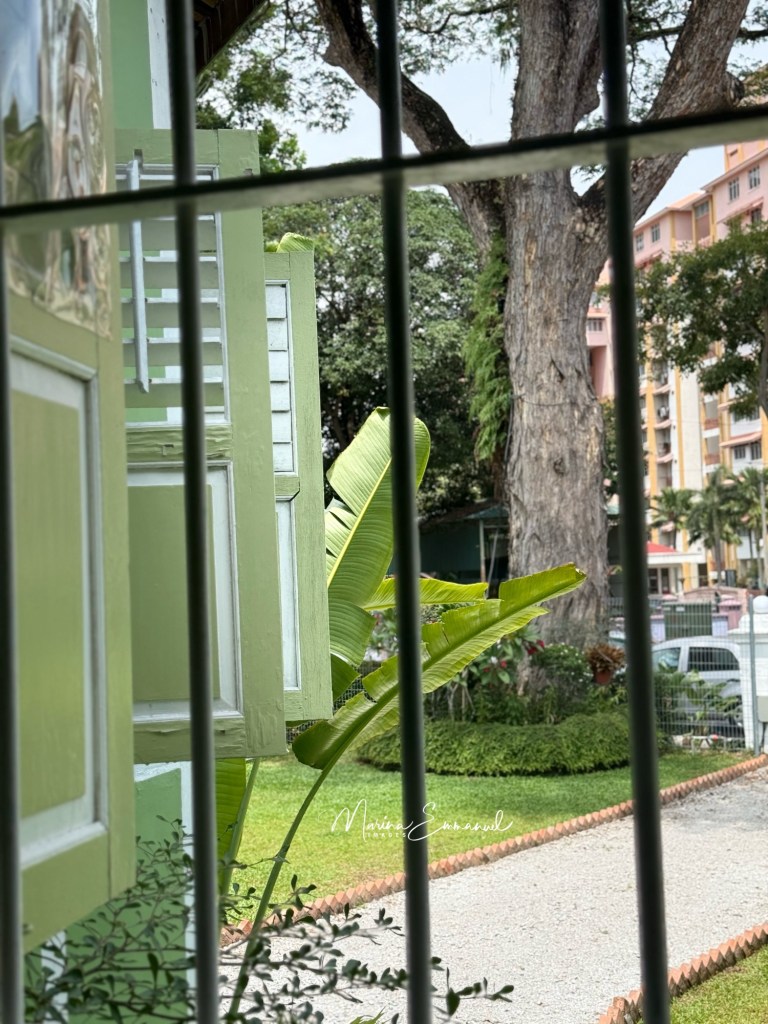
Seri Kaya is a house with a soul

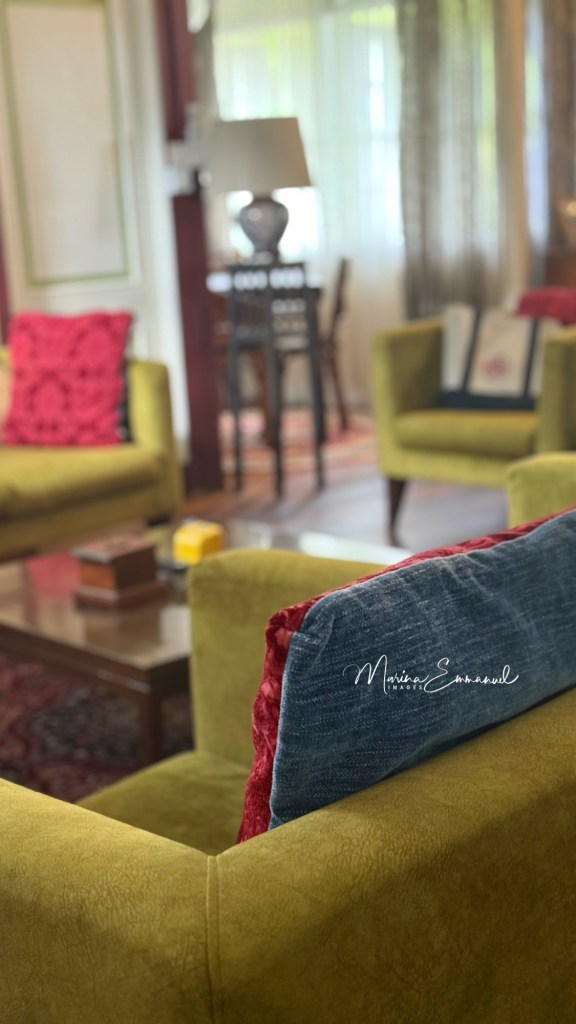
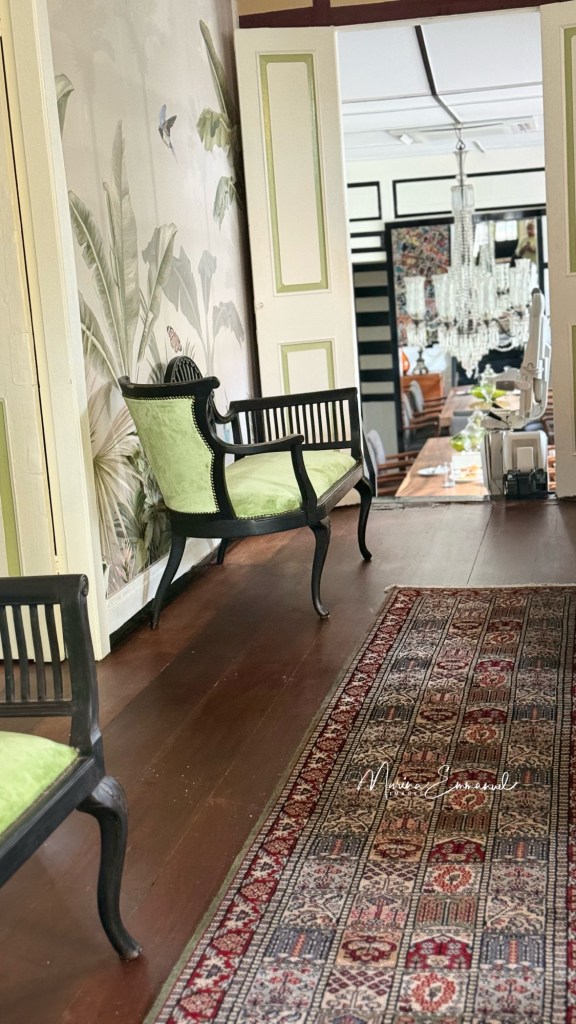
And then there were the interiors—layered, expressive, yet remarkably composed. Chartreuse armchairs sat confidently against rich wooden floors, while lovely Oriental rugs grounded the rooms with quiet opulence.

Inside Kah Hock’s Living Legacy

Teal lines traced the ceilings, guiding the eye upward, and everywhere there were thoughtful touches of colour—turmeric yellows, deep reds, botanical prints alive with birds and foliage. Nothing felt excessive. It all simply belonged.

Where heritage breathes

What I admired most was how much of the home’s original soul had been preserved. The carvings, the structure, even the subtle imperfections—all remained intact, giving the house its authenticity. Kah Hock had not tried to impose something new, but instead allowed the home to evolve into itself.

I was fortunate to experience all of this alongside Sista MaryEd, his beloved daughter who made the visit feel less like a tour and more like being gently let into a story. 

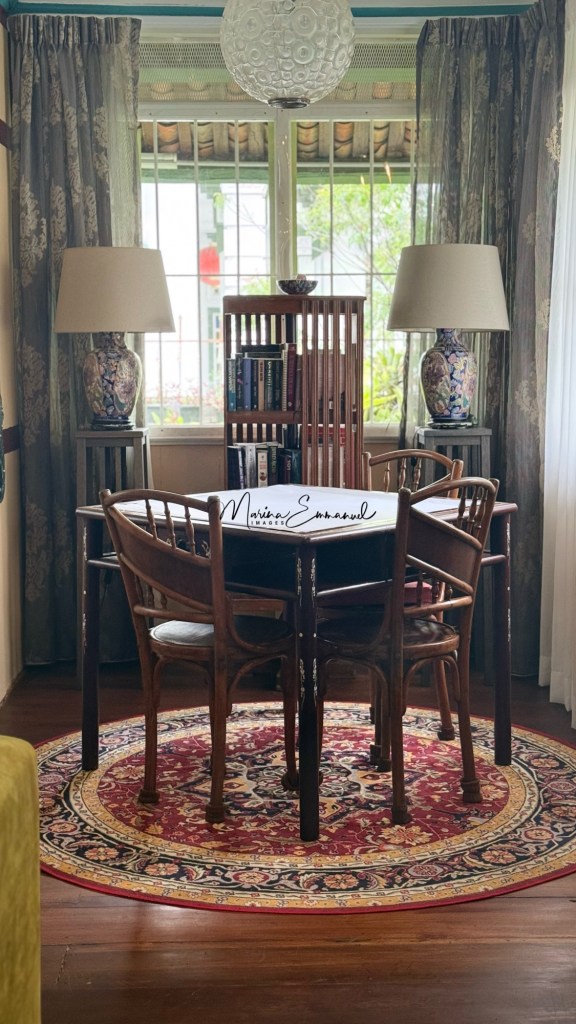
Mahjong, anyone?

Kah Hock shared insights and little personal details that brought everything to life—the kind of nuances you would never notice on your own.

By the time we sat down for tea, the house had already worked its quiet magic on me. The spread was simple but thoughtful, and perfectly in tune with the spirit of the home—warm, unpretentious, and generous.

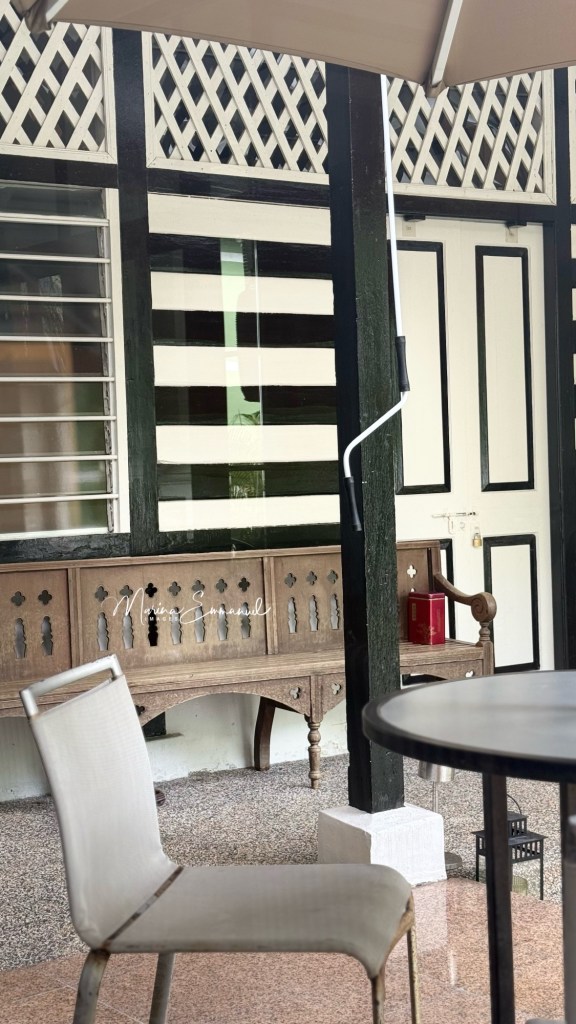
Unpretentious corners carved out at Seri Kaya

We lingered longer than expected, talking easily, the kind of conversation that only happens in spaces that put you at ease.

What struck me most, as I eventually left Seri Kaya, was not just how beautiful it was—but how it made me feel. There was a gentleness to the entire experience, a sense of being held in a place where history and modern life coexisted without tension.

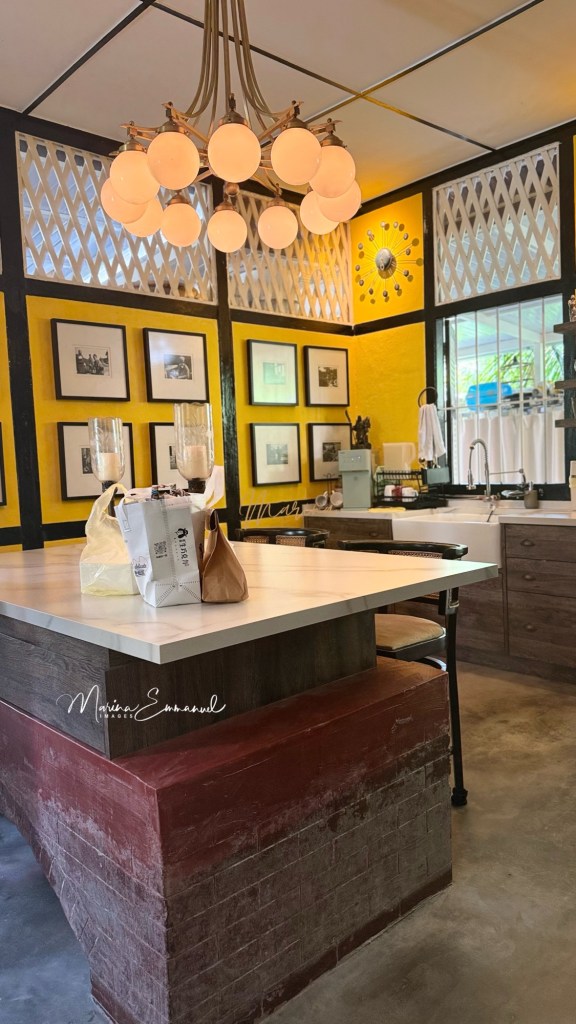
Soul of the house … its old school pre-war spacious kitchen gets an upgrade

Seri Kaya wasn’t just a house I had visited. It was a home I had been welcomed into—and one that looks set to stay with me long after I had walked out the door.

Ends. 

Our Lady of the Jubilee: Faith in Malaysian Culture


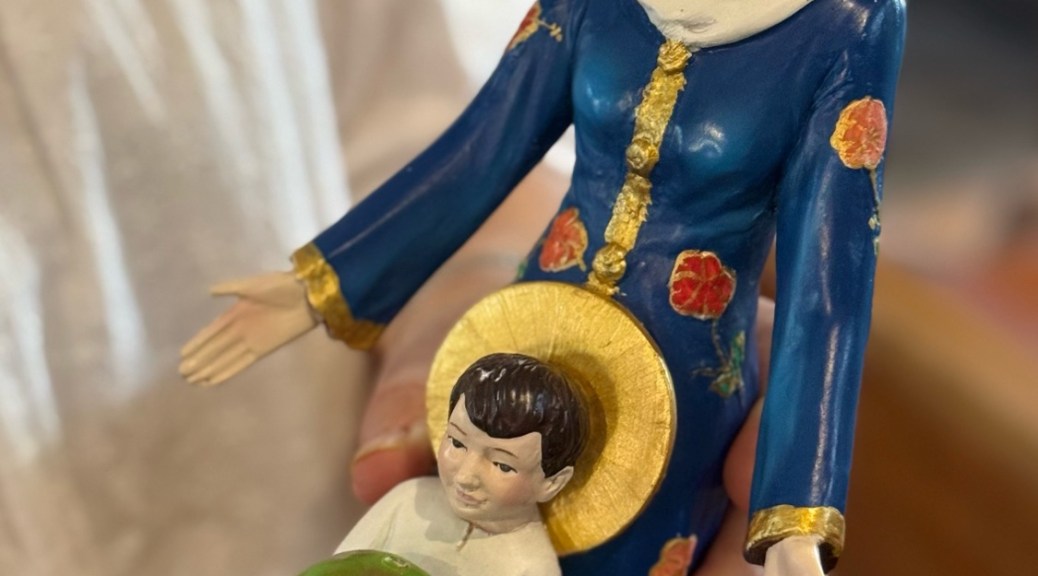
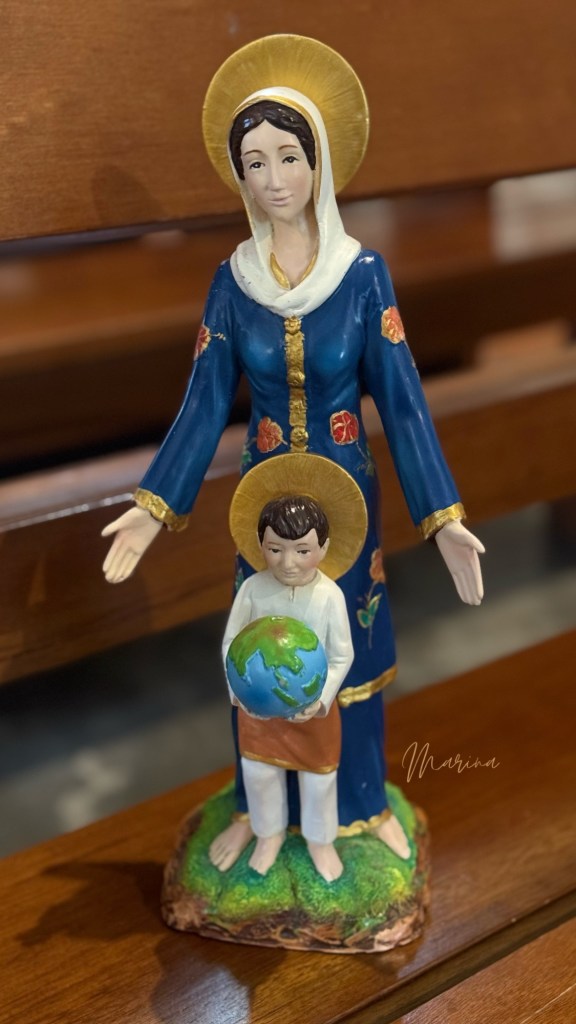
Our Lady of the Jubilee presents the Child Jesus to the world, inviting us to follow her words: “Do whatever He tells you.”
Clothed in Malaysian tradition, Mary and the Child Jesus reveal a faith that is both universal and deeply rooted in local culture

The statue of Our Lady of the Jubilee, designed by Rev Father Michael Cheah, beautifully reflects the harmony between Catholic faith and Malaysian culture. Commissioned for the Jubilee Year of 2000 in the Penang Diocese and first launched in 1999, this meaningful image continues to inspire the faithful today.

The Blessed Virgin Mary is depicted in a Baju Kebaya now widely recognised in Malaysia for its cultural and heritage significance, while the Child Jesus stands before her in a Baju Melayu. Together, they express how the local Church lives out its identity as truly Malaysian.

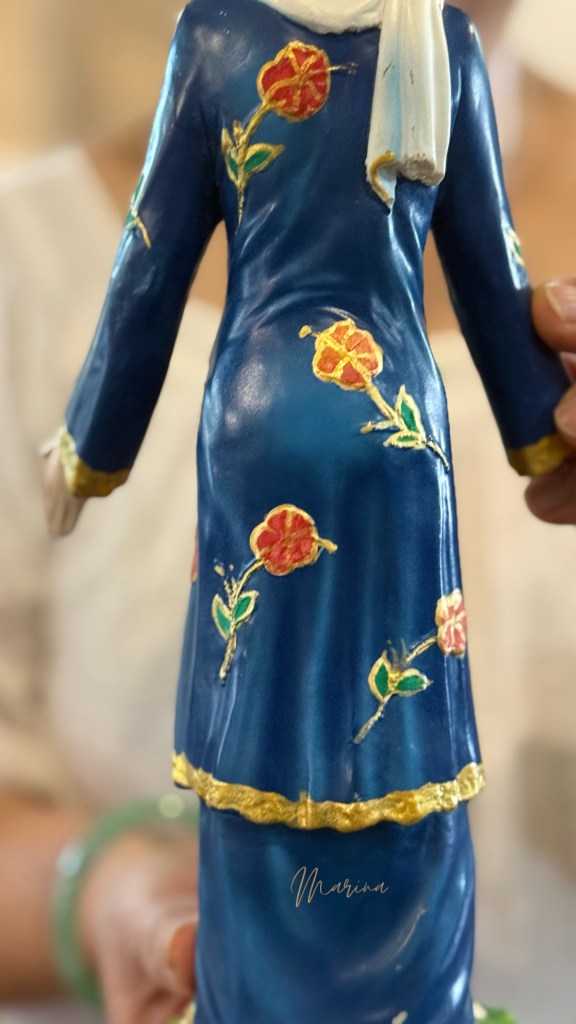
Mary is shown presenting Jesus to the world, echoing her call: “Do whatever He tells you” (John 2:5). Her kebaya is adorned with ten hibiscus flowers, symbolising the Ten Commandments and our call to love God and neighbour. The three kerongsang (broches) represent the Holy Trinity, while her white shawl signifies purity.

The Child Jesus holds a globe with a cross, reminding us that He is Lord over all and brings salvation through His sacrifice. His white attire represents holiness, and his sampin reflects faithfulness to the Father.

This meaningful image invites us to recognise Christ within our own culture and to live our faith with love, unity, and devotion.


The kebaya of Our Lady, adorned with hibiscus flowers—the national flower of Malaysia—symbolises our call to live the Ten Commandments in love and faith

Footnote:
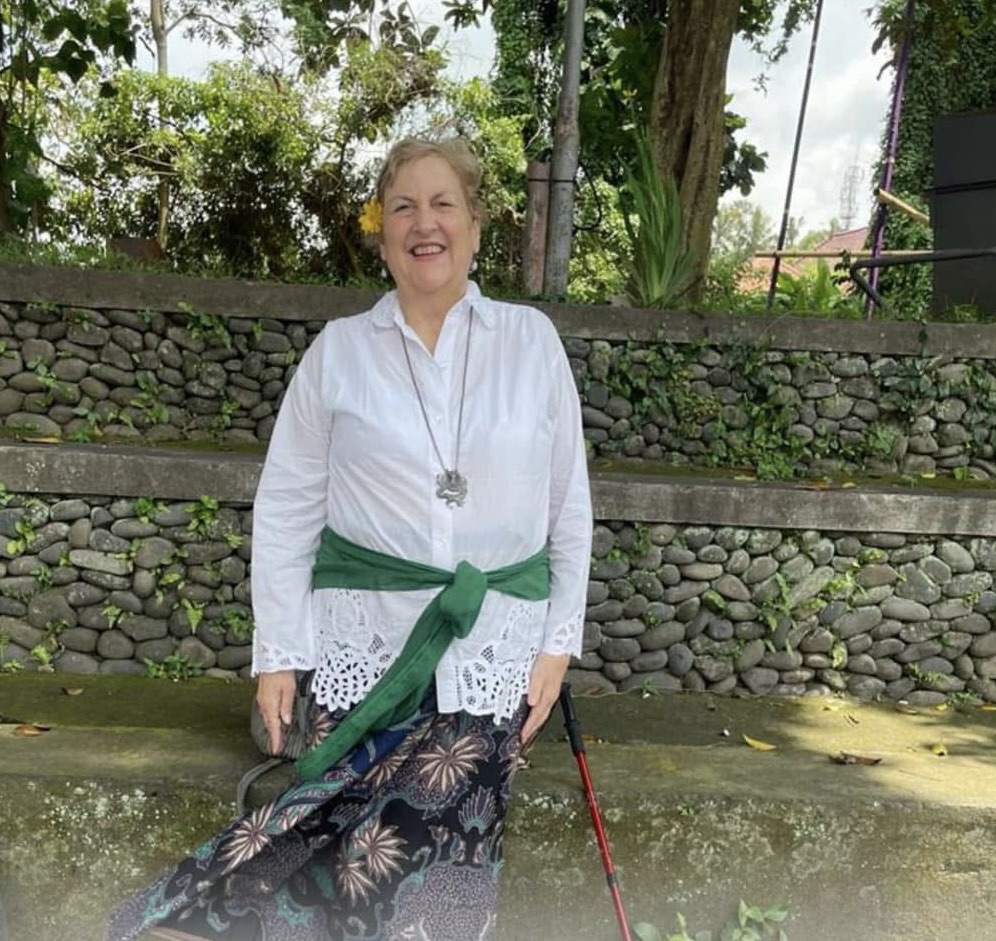
The kebaya was inscribed on the UNESCO Representative List of the Intangible Cultural Heritage of Humanity on 4 December 2024, through a joint nomination by Brunei, Indonesia, Malaysia, Singapore, and Thailand. Celebrated for its intricate embroidery and deep cultural significance across Southeast Asia, it is recognised as a shared heritage of the region rather than belonging to a single nation.

Pictured here is the late Kim Jane Sanders who made several Asian countries (including Malaysia) her home, and was fond of the Kebaya, Baju Kurong and other regional attire. She was a subject matter expert on textiles.

Penang’s UNESCO Maritime Recognition: A Welcome Step—But Not the Whole Story

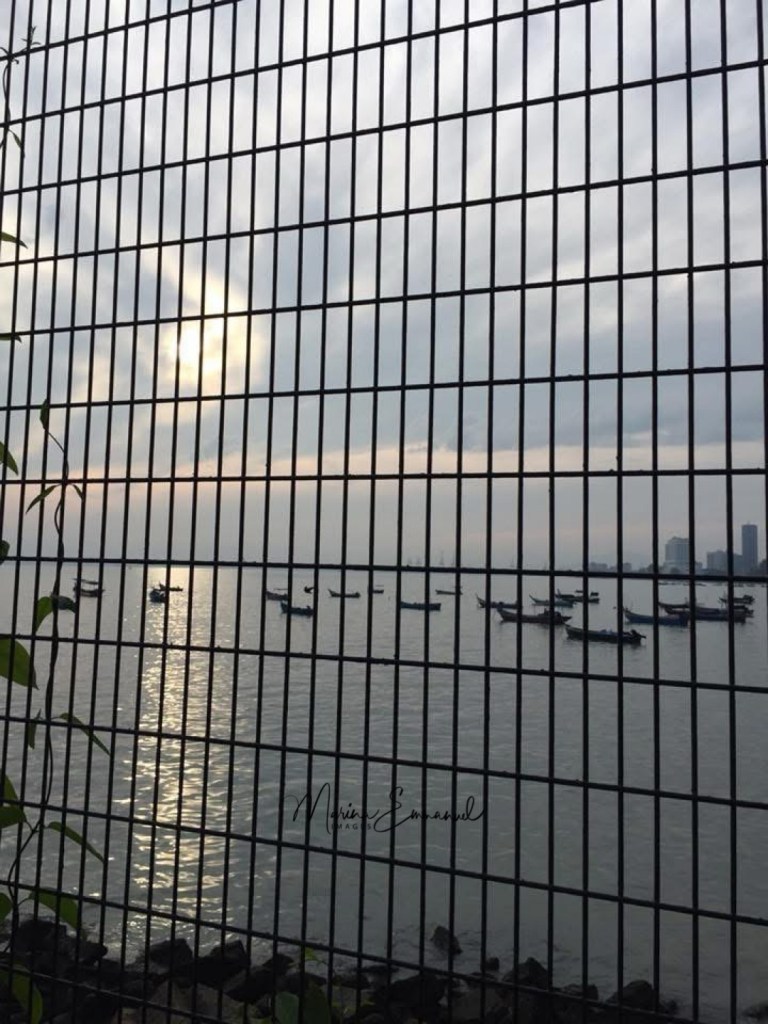
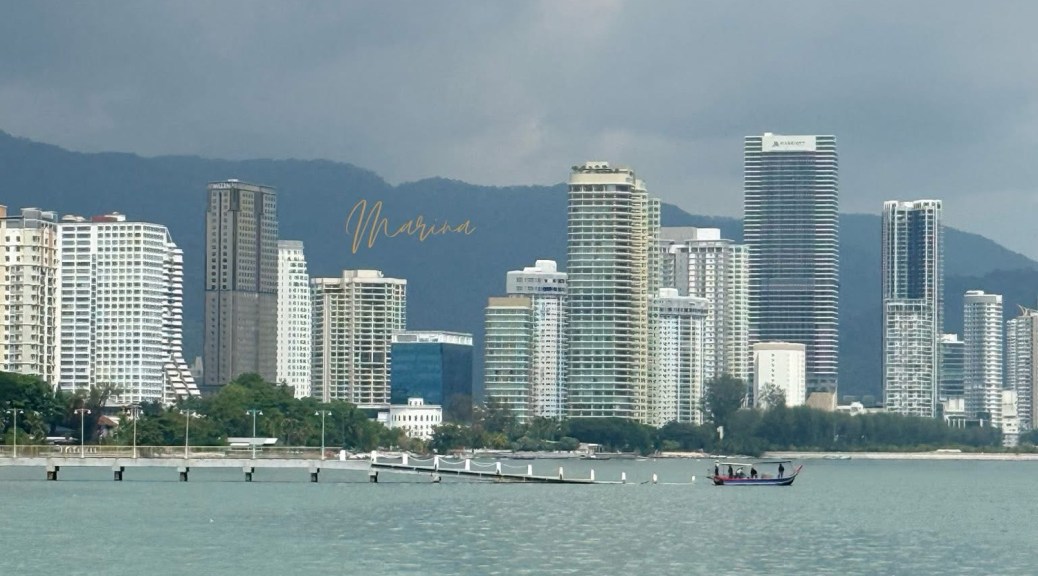
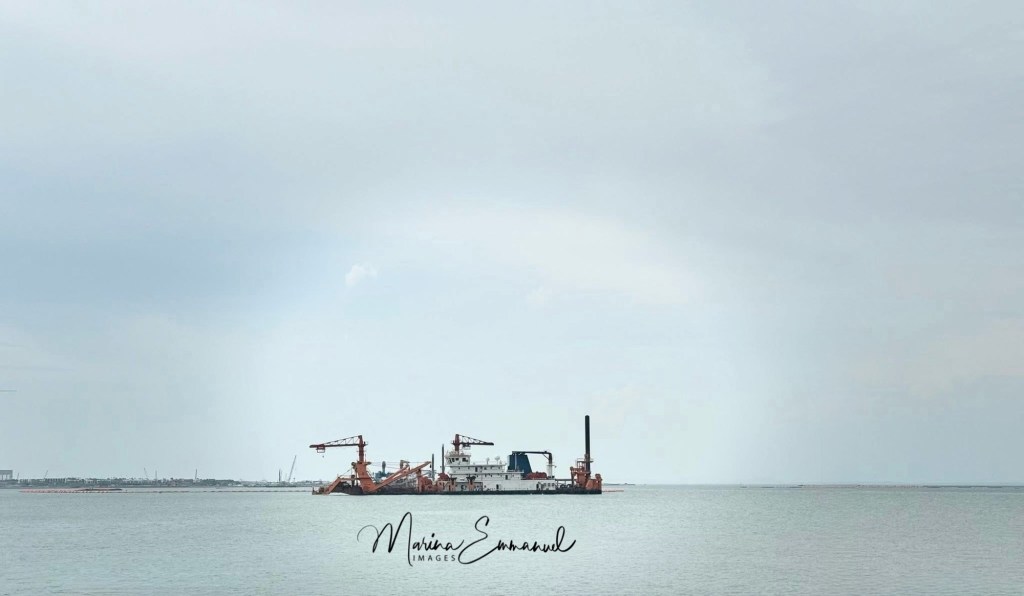
Concrete doesn’t replace coral

Penang has just been selected as Malaysia’s representative in a prestigious transnational UNESCO initiative highlighting Indian Ocean maritime heritage—a network spanning 17 countries that seeks to recognize the region’s historic role as a corridor of trade, culture, and ideas.

At first glance, this is undeniably good news.

For a place like George Town—already globally recognized for its architectural and cultural richness—this adds another layer of validation. It reinforces Penang’s long-standing identity as a maritime crossroads, where influences from the Indian subcontinent, Southeast Asia, and beyond converged over centuries.


The map changes. The sea pays

The UNESCO-linked initiative reframes the Indian Ocean not as a boundary, but as a bridge—one that enabled exchange across civilizations long before modern globalization.

Penang’s inclusion is rooted in real historical substance:

  • Its strategic location along major maritime routes
  • Its role as a trading hub connecting the Coromandel Coast, Sri Lanka, and Southeast Asia
  • Its layered cultural identity shaped by migration, commerce, and empire

The state authorities have indicated that tourism and heritage stakeholders will drive this effort forward, building on the existing UNESCO World Heritage framework.

In that sense, the recognition feels earned. It aligns with Penang’s long-cultivated image as the “Emerald of the Indian Ocean”—a place where history is still visibly embedded in its streets, ports, and communities.


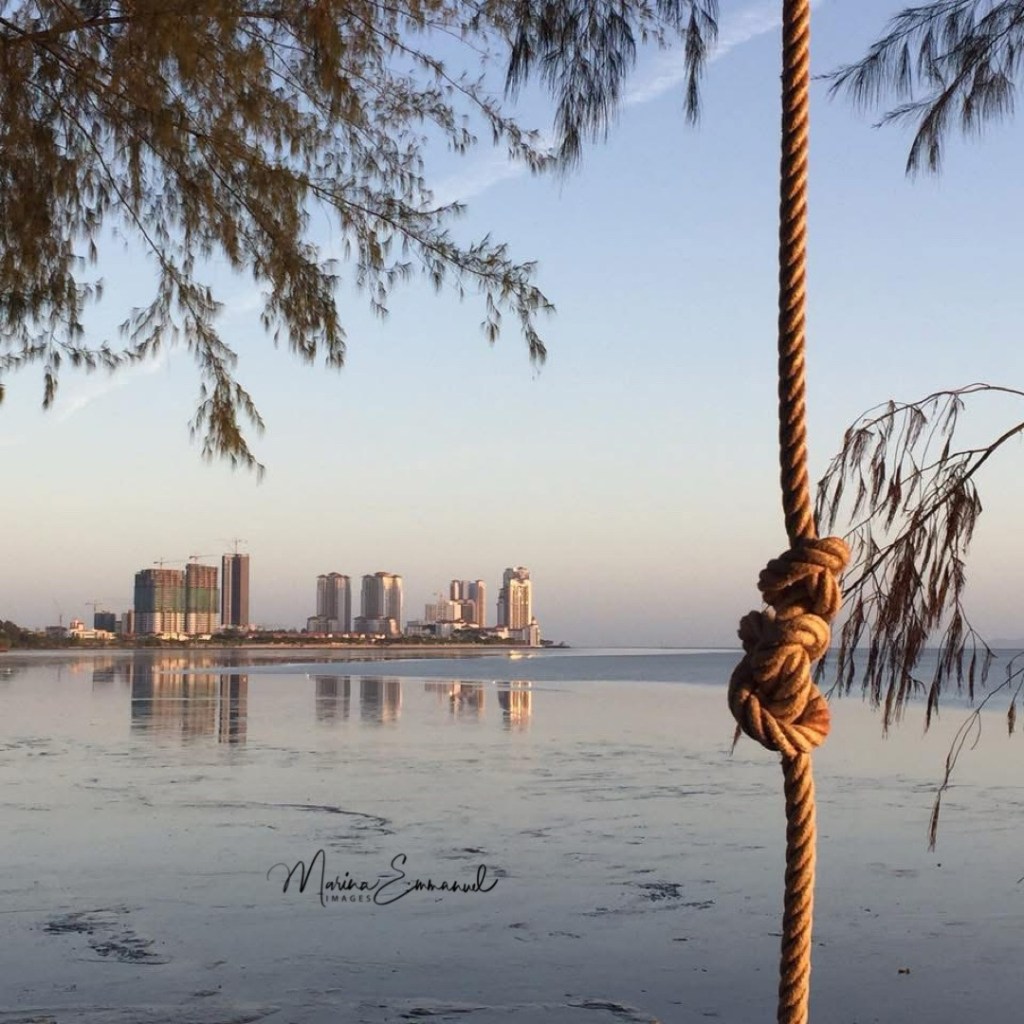
We redraw the coast, but erase what made it alive

But here is where the narrative becomes more complicated.

While Penang is being celebrated internationally for its maritime heritage, the present condition of its surrounding seas tells a very different story.

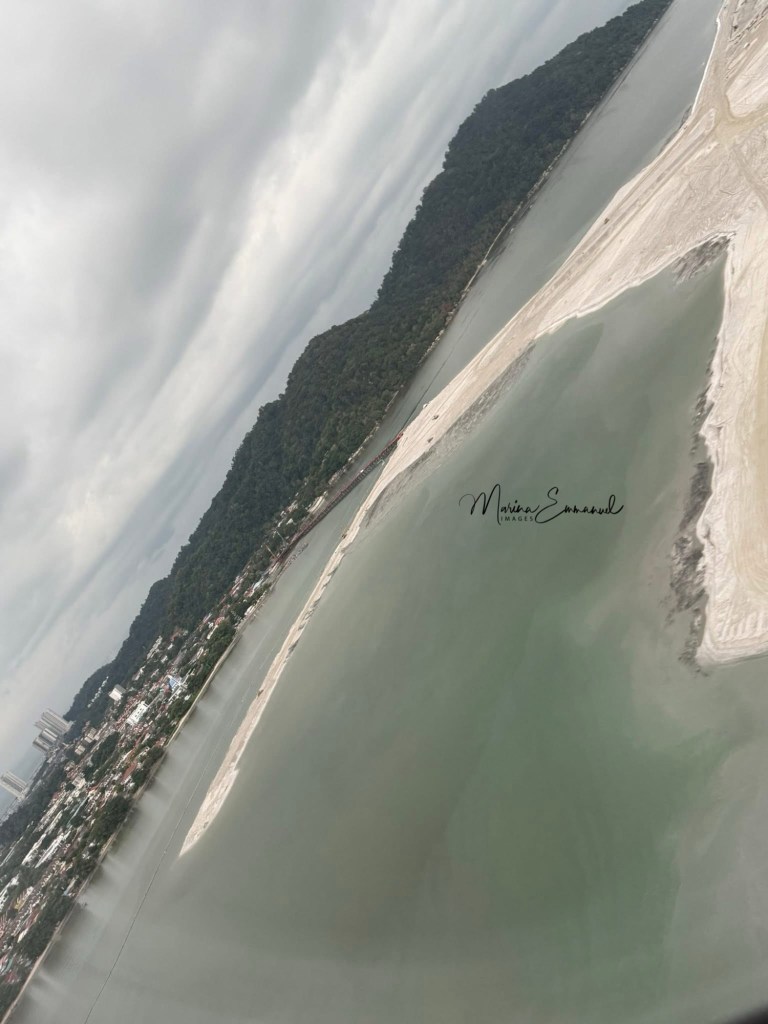
The waters that once enabled centuries of exchange are now increasingly defined by large-scale land reclamation projects.


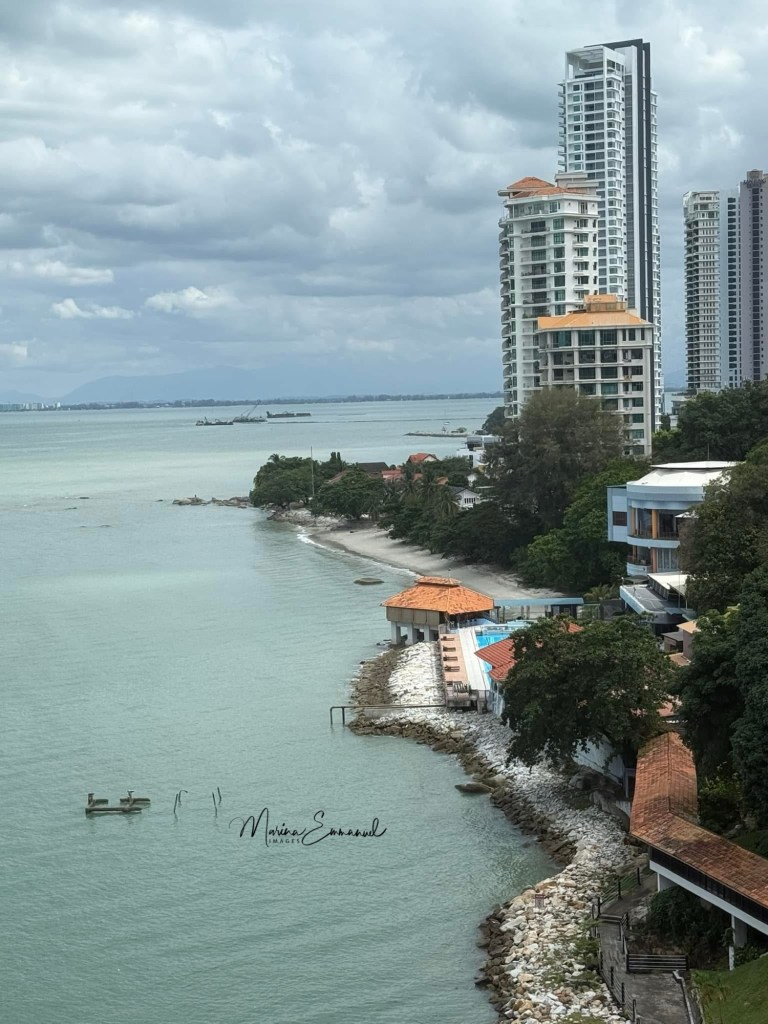
Reclaimed land, lost ecosystems

These developments are not minor or isolated—they represent a sustained transformation of the island’s coastal ecology. Reclamation reshapes shorelines, disrupts sediment flows, and damages marine ecosystems that have existed long before Penang’s rise as a trading port.

The consequences are significant:

  • Loss of marine biodiversity
  • Disruption of fisheries and coastal livelihoods
  • Alteration of tidal and sediment dynamics
  • Long-term ecological instability

In other words, while we celebrate the historical importance of the sea, we are simultaneously altering—and in many cases degrading—the very environment that made that history possible.


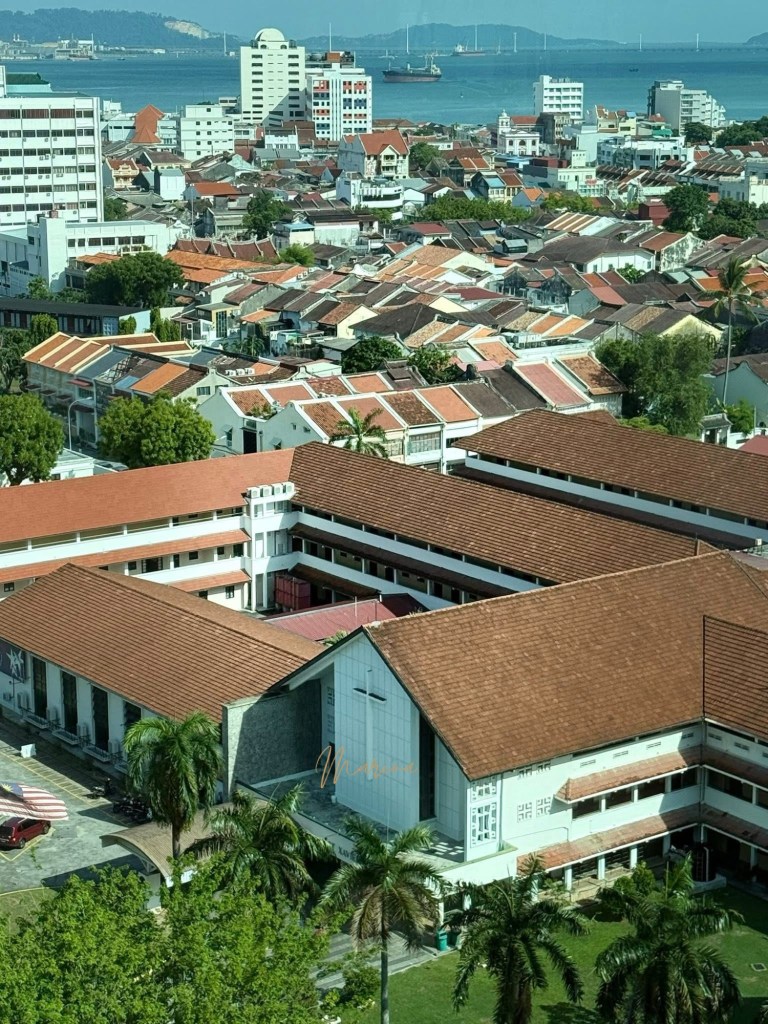
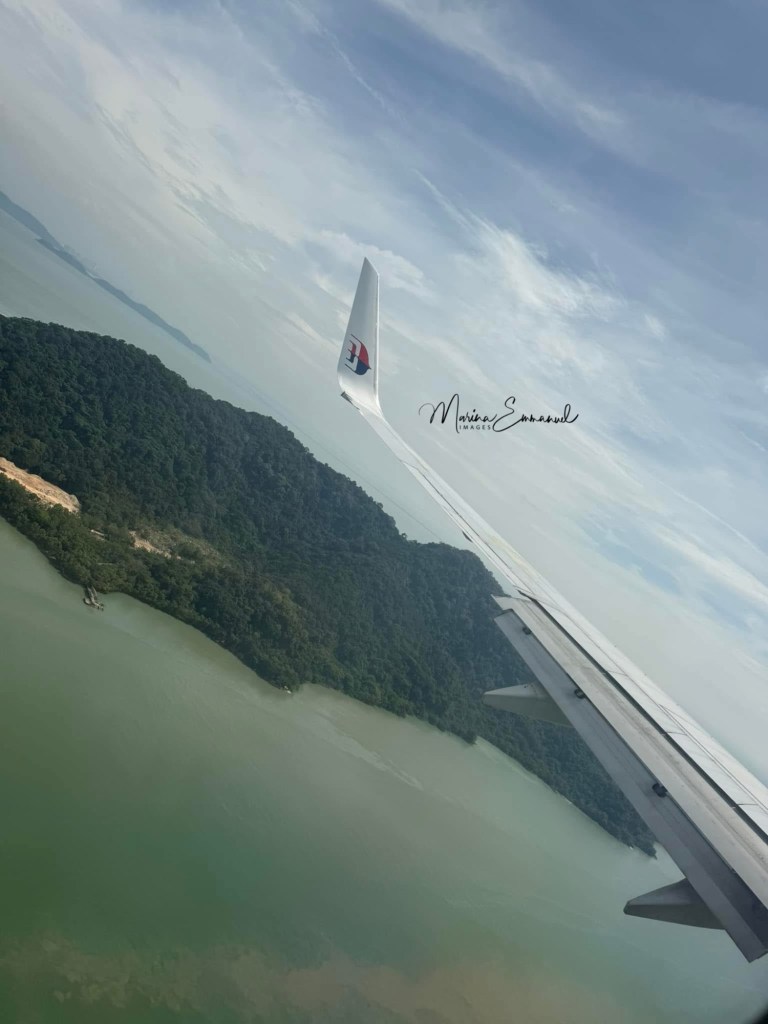
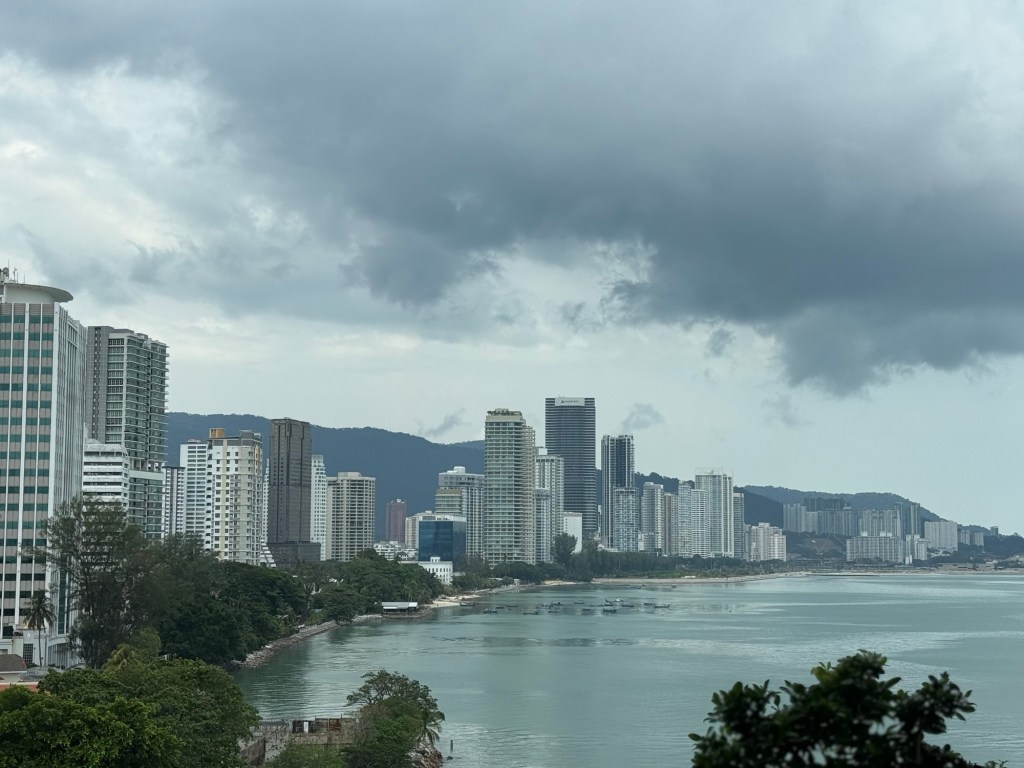
What looks calm from above is slowly being rewritten below

There is a deeper tension here.

UNESCO recognition tends to focus on tangible and intangible heritage—architecture, trade histories, cultural exchange. But maritime heritage is not just about ships, ports, and old trade routes. It is also about the living ocean systems that sustained those networks.

To celebrate one while neglecting the other risks turning heritage into something purely symbolic—detached from present-day realities.

If Penang is to fully embrace its role in this Indian Ocean narrative, it raises an uncomfortable but necessary question …

None of this diminishes the importance of Penang’s selection. It is a positive step.

It opens doors for:

  • Greater international collaboration
  • Expanded historical research and storytelling
  • More sustainable and culturally grounded tourism

But its real value will depend on what comes next.

If this recognition remains confined to branding and tourism promotion, it risks becoming another layer of polished narrative.


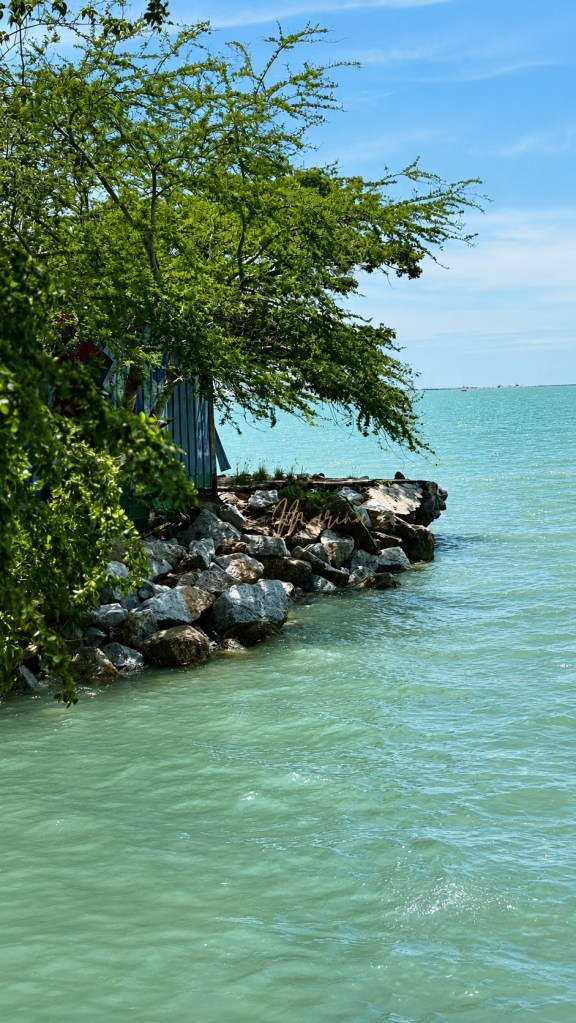
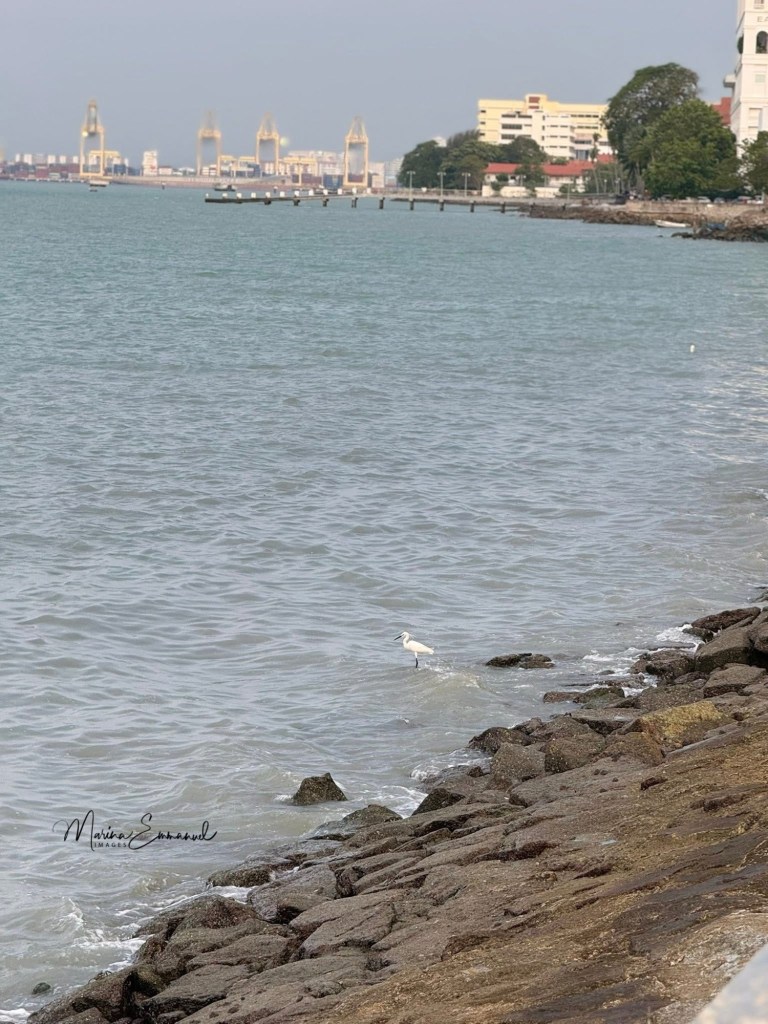
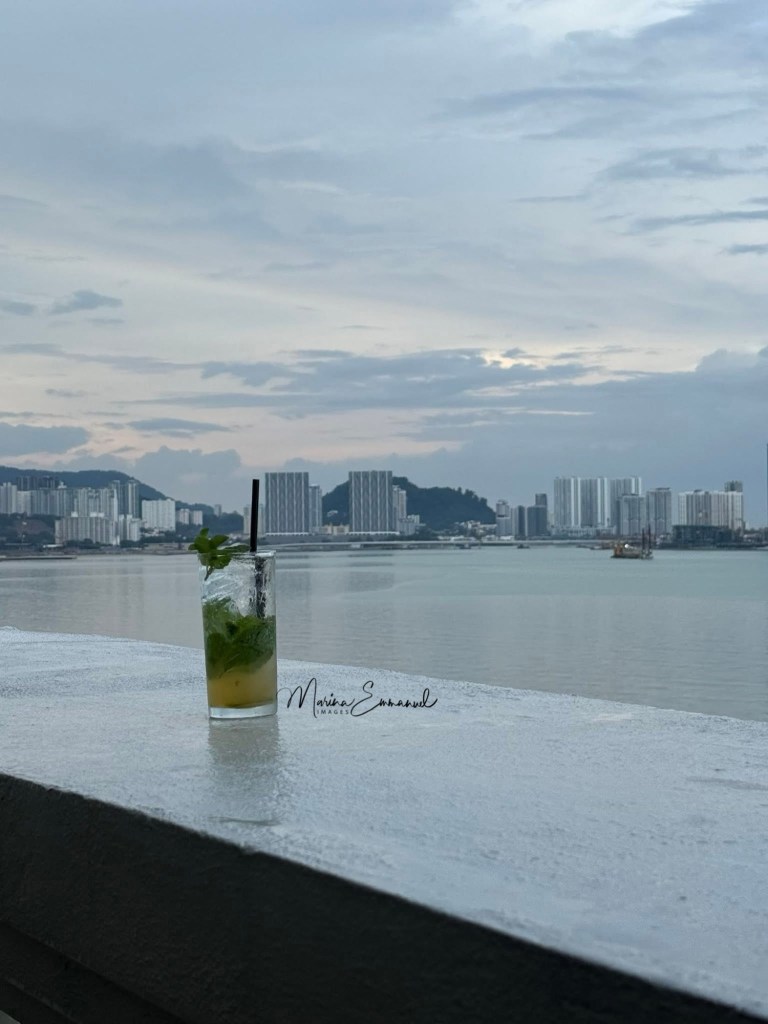
Soft blues and greens, quieter truths

If, however, it sparks a broader commitment—one that includes protecting marine ecosystems alongside preserving heritage buildings—then it could become something far more meaningful.

Penang stands at an interesting crossroads:

  • Globally recognized for its past
  • Locally challenged in its present

Bridging that gap will require aligning heritage policy with environmental reality.

Because ultimately, maritime heritage is not just about where ships once sailed—it is about the waters they sailed on.

And those waters, today, deserve as much attention as the history they carried.


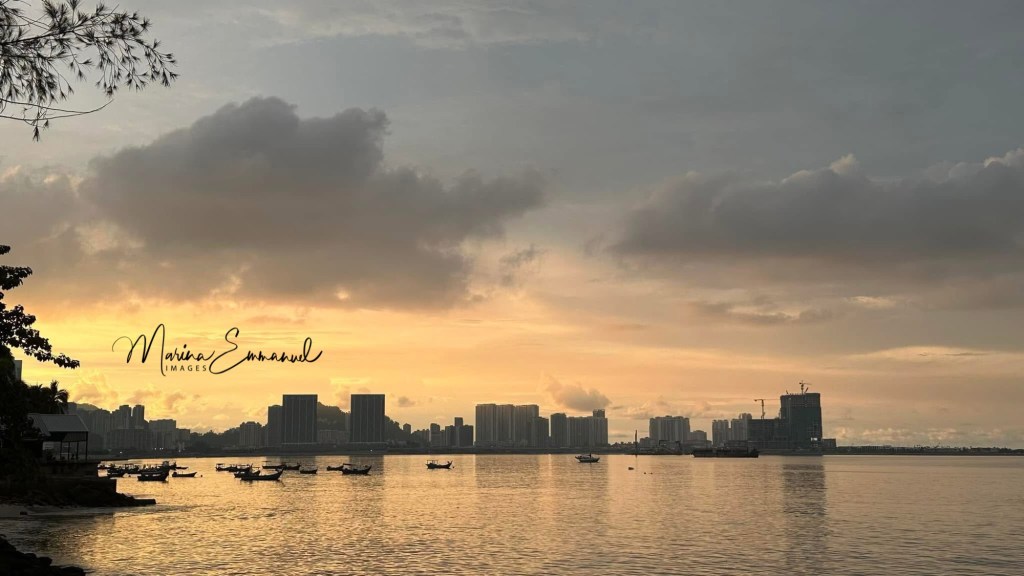
Beauty, on borrowed time

Ends. 

Where Simplicity Meets Exceptional Steak

Tucked into the ever-evolving food scene of George Town, Moo Point Steaks offers a dining experience that feels both refined and refreshingly unpretentious.


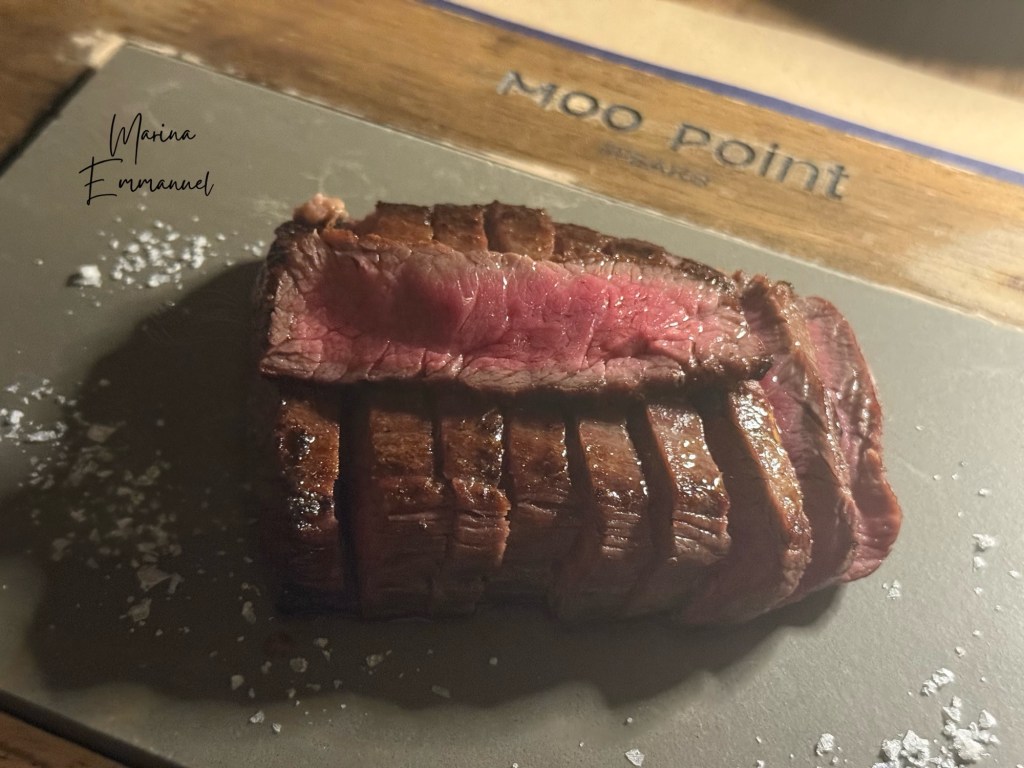
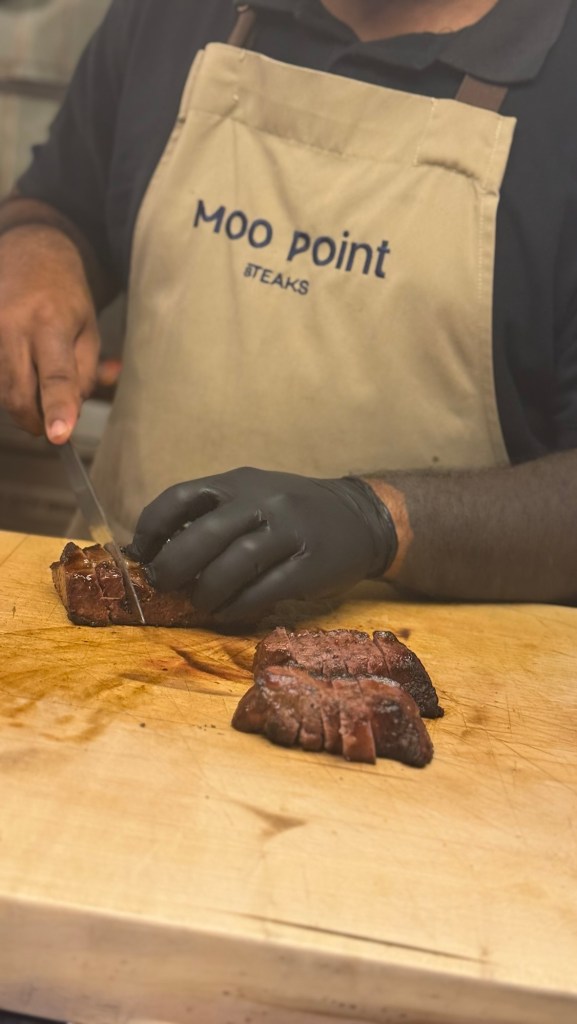
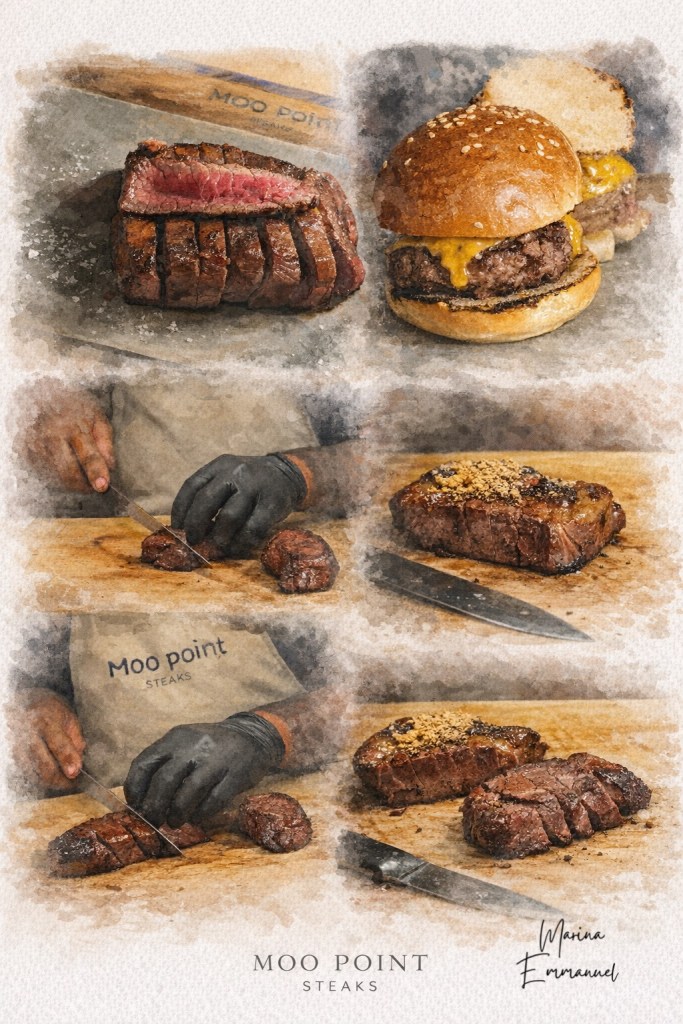
Sizzling perfection at Moo Point — a beautifully seared steak with a tender, juicy center, finished with a touch of salt for pure, bold flavour

It’s the kind of place that doesn’t need to announce itself loudly—the quality speaks for itself from the very first bite.

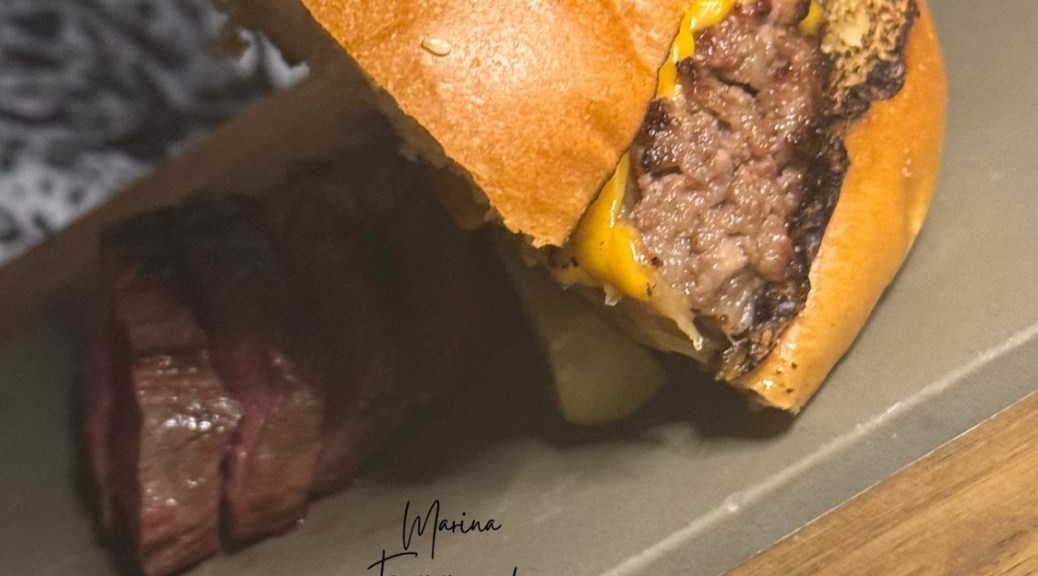
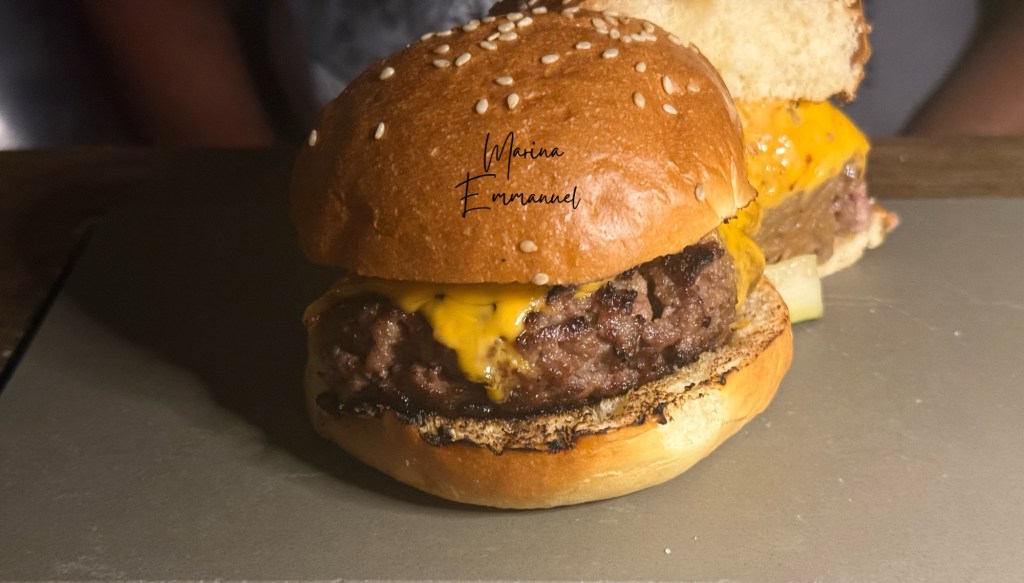
Not just any beef burger

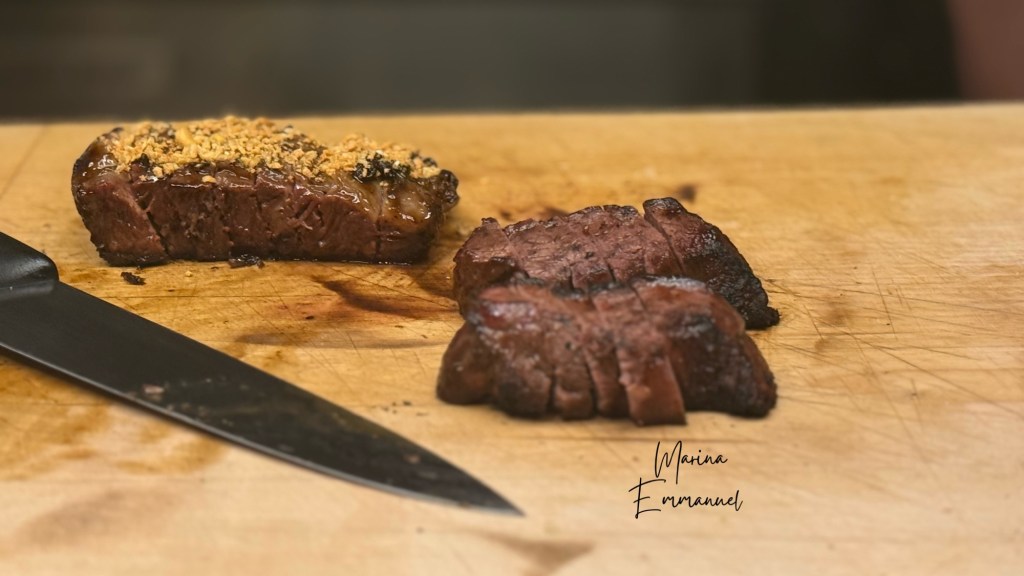
The steaks are the clear highlight. Thoughtfully sourced and expertly handled, each cut arrives cooked with precision, allowing the natural richness and character of the meat to shine through. There’s a quiet confidence in the way the food is presented—no excess, no distraction, just a clear focus on doing the fundamentals exceptionally well.


Precision slicing, premium cuts — Moo Point Steaks at its finest

Equally notable is the service. Warm, attentive, and understated, it strikes that rare balance of being present without ever intruding. It complements the overall experience perfectly, creating a space where you can settle in and simply enjoy the meal.

In a city known for its vibrant and diverse culinary landscape, Moo Point Steaks stands out not by being loud, but by being considered. It’s a welcome addition to George Town—one that gently elevates the local dining scene with its focus on quality, restraint, and quiet excellence.


From sizzle to slice to bite — Moo Point Steaks is where every moment meets perfection

(Moo Point Steaks is located at 170 Jalan Hutton in George Town. Call +6016 273 0321)

The Last Supper Bells of Penang — When Icons Fade Into Memory

From first dates to quiet celebrations, Three Sixty wasn’t just a place — it was a feeling. And soon, it becomes a memory
(courtesy photo Yeoh Kah Hock)

There are restaurants you visit for a meal, and then there are those you grow up with — places that quietly stitch themselves into the fabric of your life.

In Penang, food is not just sustenance; it is memory, identity, and ritual.

So when news broke that three beloved establishments — Ocean Green, The Ship (Jalan Sri Bahari), and 360 Revolving Restaurant — will be closing their doors by the end of this month (April), it feels less like business news and more like the turning of a page in Penang’s living history. 

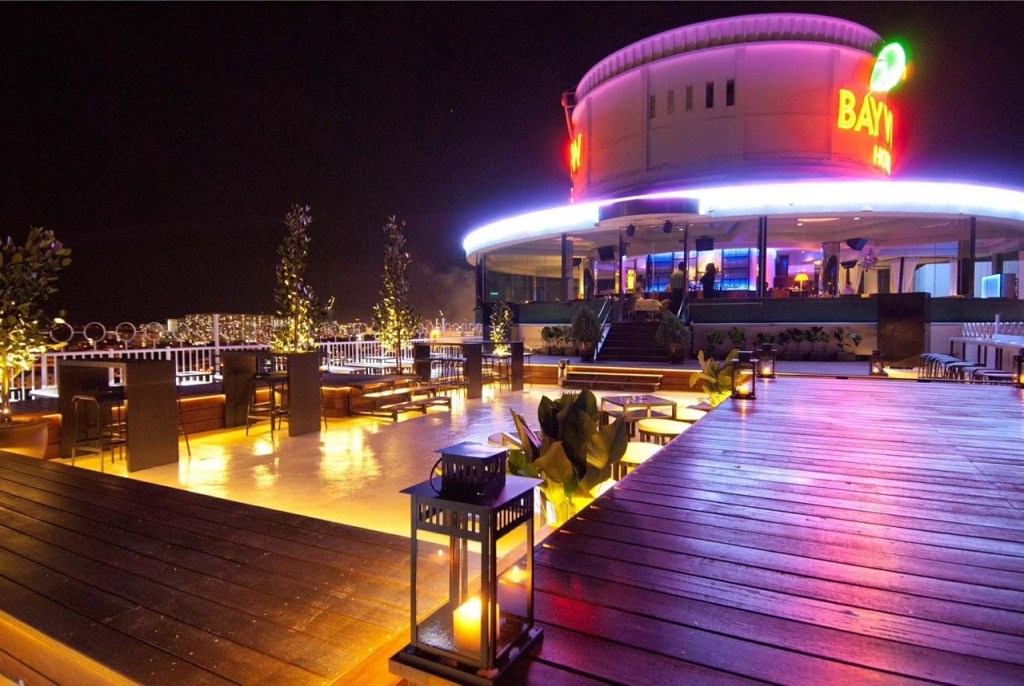
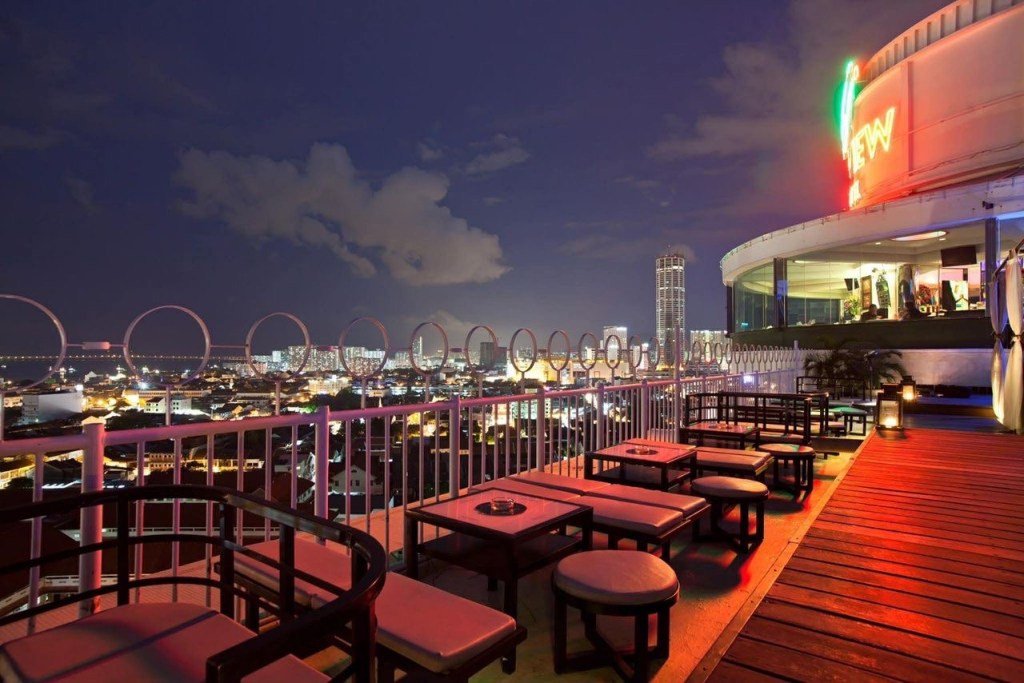
A restaurant/sky-bar with many views

For decades, Ocean Green stood quietly by the sea — not flashy, not trendy, but deeply beloved. 

Generations of Penangites marked birthdays, reunions, and weekend dinners here, often accompanied by the sound of waves and the salty breeze.

It has not been just a seafood restaurant; it’s been a ritual.

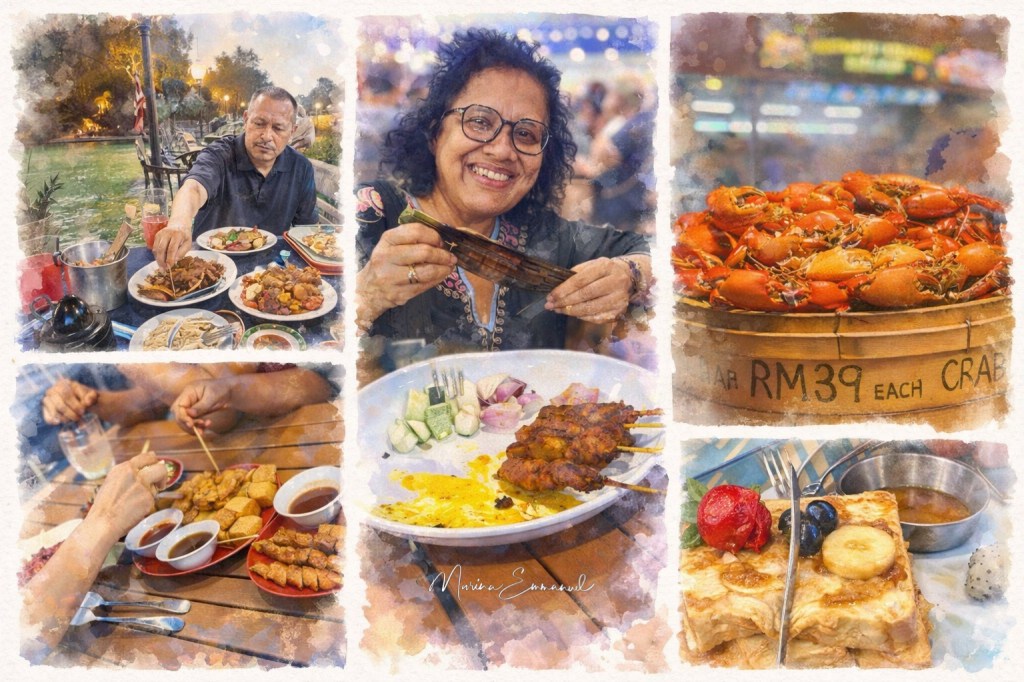
The smoky aroma of satay, the comforting familiarity of steamed fish and ‘Choon Pneah’ (spring rolls), and the communal joy of sharing dishes under open skies have made Ocean Green a place where time seemed to slow down.

It represents a Penang that was unhurried — where meals stretched into conversations and laughter echoed into the night.

Now, as it prepares to close at the end of April 2026, many are mourning more than just a dining spot. They are saying goodbye to a place where childhoods were celebrated and family traditions quietly formed.

Ocean Green has stood out not because it reinvented dining, but because it never needed to. It has remained steadfast — a constant in a rapidly changing culinary landscape.

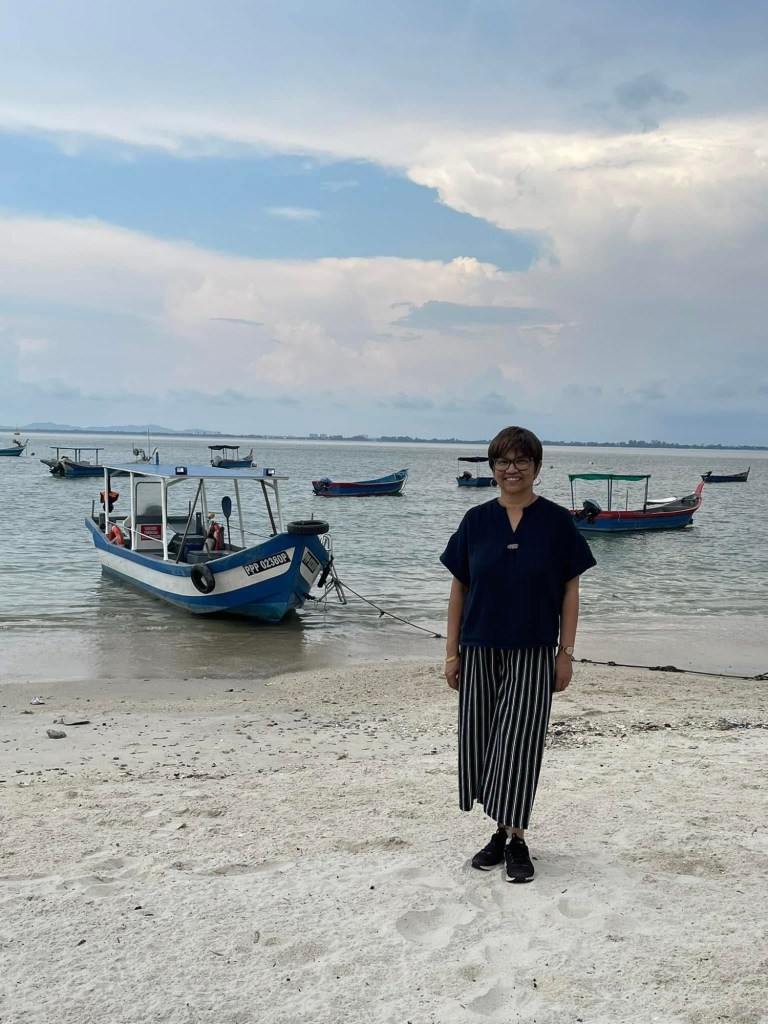
The late and fun-loving journalist Fauziah Varusay who had relocated to Australia, visited the beach fronting Ocean Green on her final trip to Penang

If Ocean Green was about the sea breeze, The Ship along Jalan Sri Bahari was about imagination grounded in the heart of George Town.

While many remember the Batu Ferringhi outlet, the Sri Bahari branch has carried its own quiet legacy — one rooted in decades of loyal patrons and timeless Western classics. 

Walking in felt like stepping into a different era: dark wood interiors, maritime motifs, and the unmistakable sizzle of hot plates arriving at your table.

For many Penangites, this was where Western dining became accessible and memorable — where steaks, garlic bread, and mushroom soup defined special occasions. 

It was where first dates happened, where families celebrated milestones, and where a sense of occasion was built into every visit.

More than just a themed restaurant, The Ship has represented a chapter in Penang’s evolution — when dining out meant dressing up, slowing down, and savouring the experience.

Its impending closure marks the fading of a time when restaurants told stories not just through food, but through atmosphere and ritual.

High above the city, 360 Revolving Restaurant at the top of City Bayview Hotel (now called Bayview Hotel Georgetown) has offered something few places could: perspective.

It wasn’t just about the buffet or the ambiance — it was about watching Penang move. Slowly rotating, the restaurant gave diners a panoramic view of George Town and beyond, transforming meals into moments of quiet reflection.

It became a symbol of a more modern Penang — one that embraced skyline views, elevated dining, and a touch of sophistication.


They came for the food, but stayed for the view … and are leaving with memories
(courtesy image Yeoh Kah Hock)

From romantic dinners to celebratory nights, the experience of watching the city shift beneath you made every visit feel cinematic. It was where proposals happened, anniversaries were toasted, and visitors saw Penang from an entirely different angle.

Now, as it prepares for its “final spin,” one of the island’s most recognisable dining experiences will soon become a memory.

What makes these closures so poignant is not just their longevity, but what they represent collectively:

• Ocean Green — the soul of seaside, communal dining

• The Ship (Jalan Sri Bahari) — the nostalgia of classic Western dining in the city

• 360 Revolving Restaurant (City Bayview Hotel) — the modern, elevated view of Penang

Together, they tell the story of an island through food — from humble coastal feasts to nostalgic dining rooms and sky-high experiences.

Penang’s food scene will continue to thrive — it always does.

New cafés will emerge, new trends will take hold. But places like these cannot be replaced, because they were never just about food.

They were about time.

And as April draws to a close, Penang isn’t just losing three restaurants.

It is quietly saying goodbye to three chapters of itself.

Ends.

The (food) stories that Penang tells
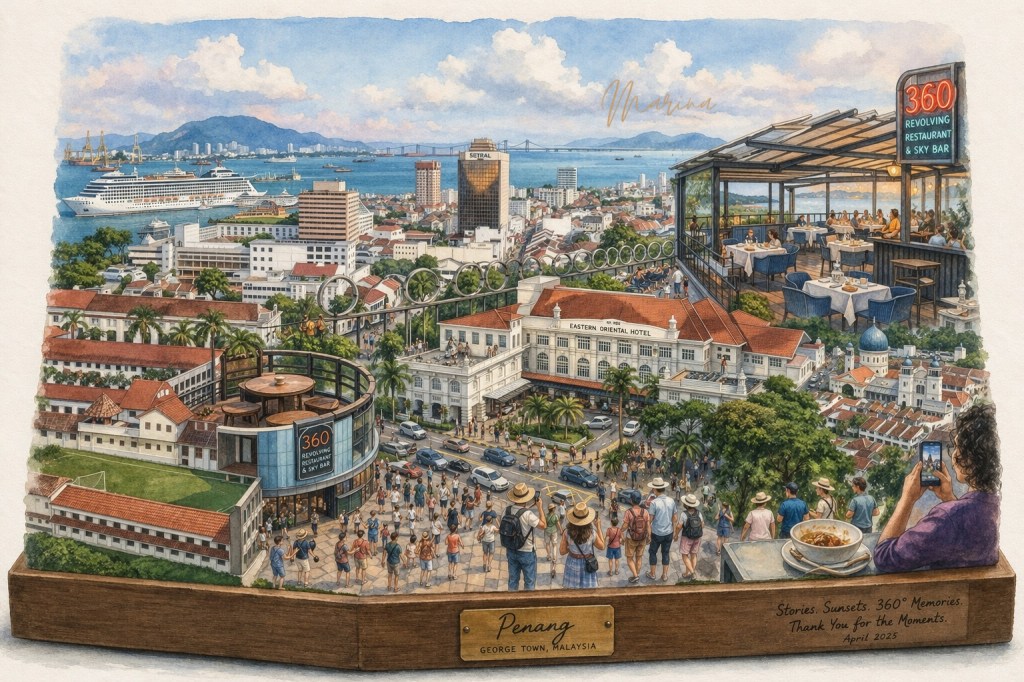
Precious memories and views of Penang from 360 Revolving Restaurant and Sky Bar

L’Occitane Brings Provençal Wellness to Penang

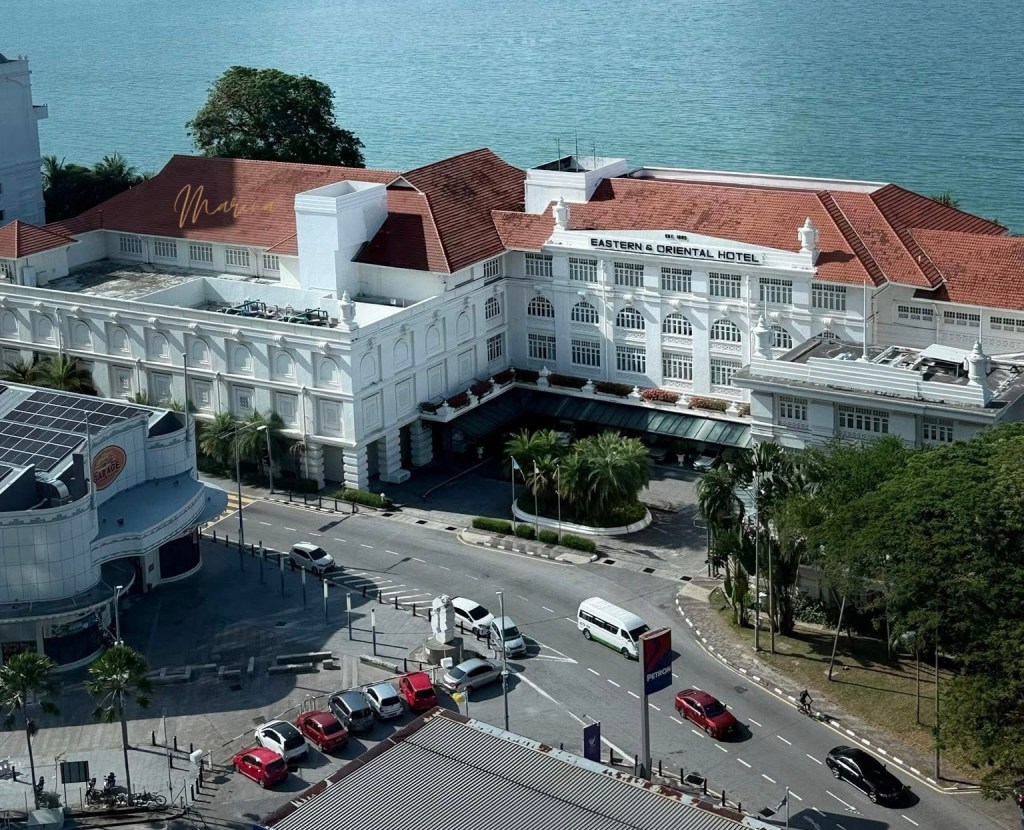
A new chapter for the Eastern & Oriental Hotel

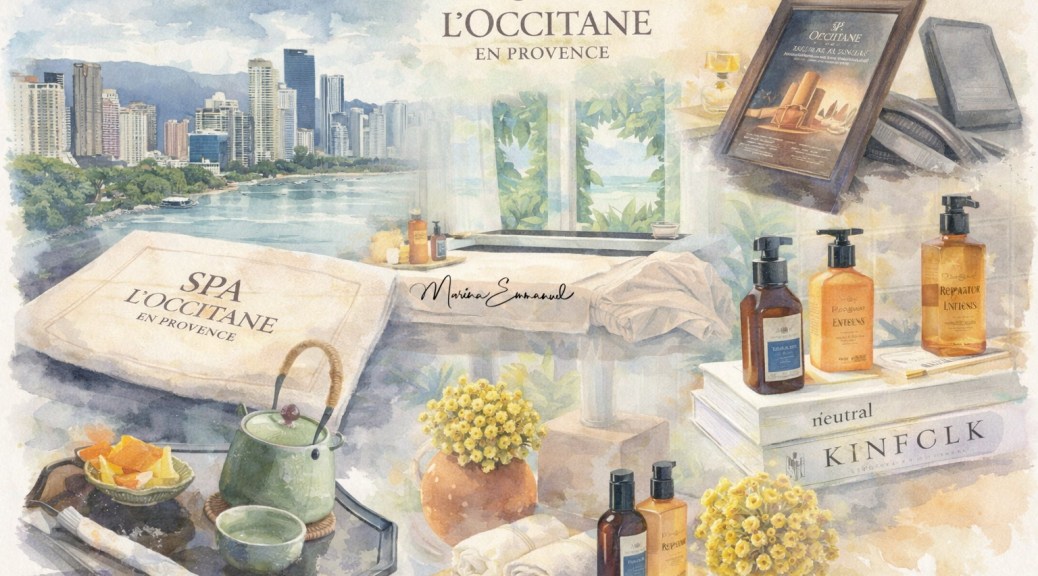
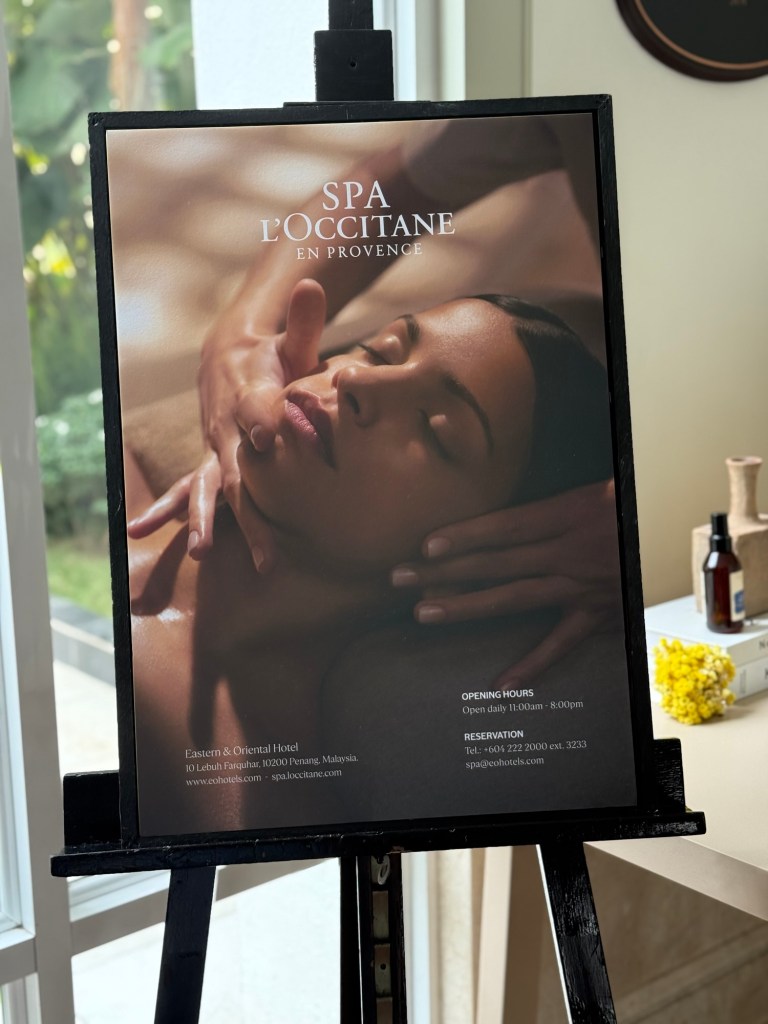
In a move that beautifully blends French wellness philosophy with Southeast Asia’s rich heritage, L’Occitane en Provence has brought  its signature spa experience to Malaysia in Penang—nestled within the storied walls of the Eastern & Oriental Hotel (E&O) in George Town.

The Spa L’Occitane en Provence marks a significant moment for both the brand and the destination: a meeting of timeless European sensorial luxury and one of Malaysia’s most iconic heritage hotels.

Perched along the seafront in George Town—a UNESCO World Heritage city—the Eastern & Oriental Hotel has long been synonymous with colonial elegance and old-world charm. Now, it has added a new layer to its legacy: immersive, nature-inspired wellness.

Welcoming all spa novices and junkies

As a L’Occitane fan (and spa junkie!), the recent announcements that a Spa L’Occitane is “coming soon” to the E&O Hotel, sent me sprinting over to check out one of the brand’s notable new openings in the region.  

The choice of location is no coincidence. L’Occitane’s spa philosophy I understand, thrives in environments that evoke tranquility, authenticity, and a sense of place—qualities that the E&O embodies effortlessly.

Founded in 1976 in southern France, L’Occitane built its identity around the natural ingredients and traditions of Provence—lavender fields, almond groves, and aromatic herbs.  

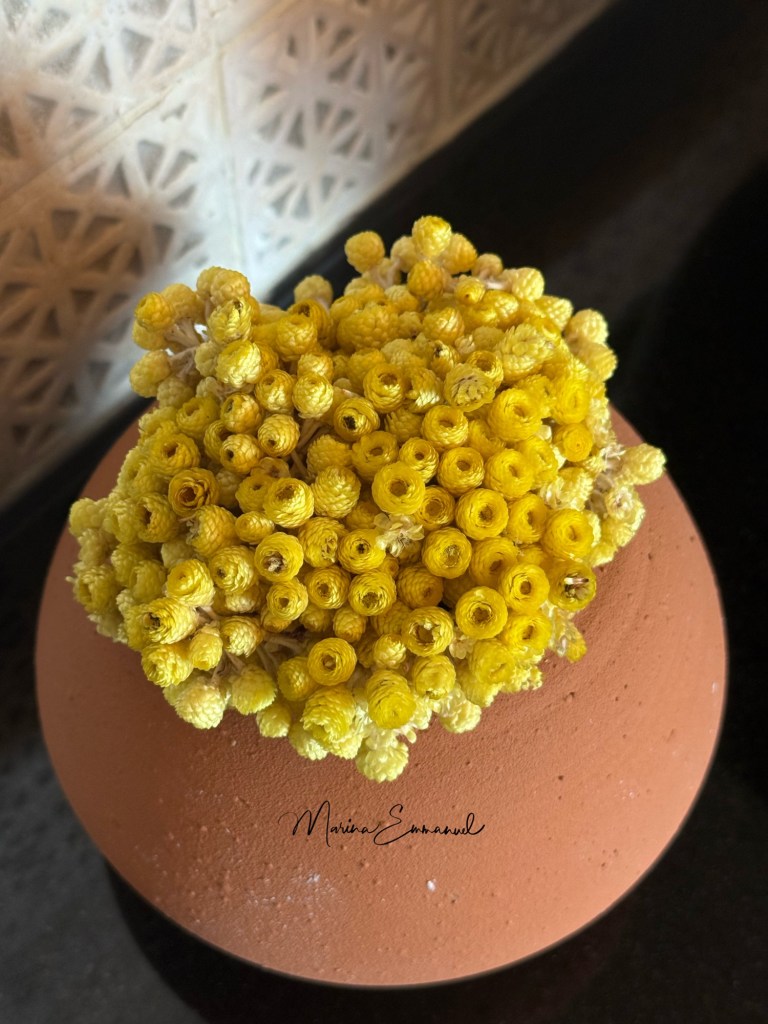
Immortelle flowers are one of the signature ingredients in a dedicated range of their products

Its spas extend that ethos into a multi-sensory wellness experience. 

Rather than simply offering treatments, Spa L’Occitane is designed as a journey—one that engages touch, scent, and ritual.

At the heart of the concept:

• Provençal botanicals such as immortelle, lavender, and shea butter

• Hands-on therapies delivered by trained therapists (mine was the lovely Shirley) 

• Holistic rituals that combine relaxation with measurable skin and body benefits

• A strong emphasis on sensorial immersion and wellbeing  

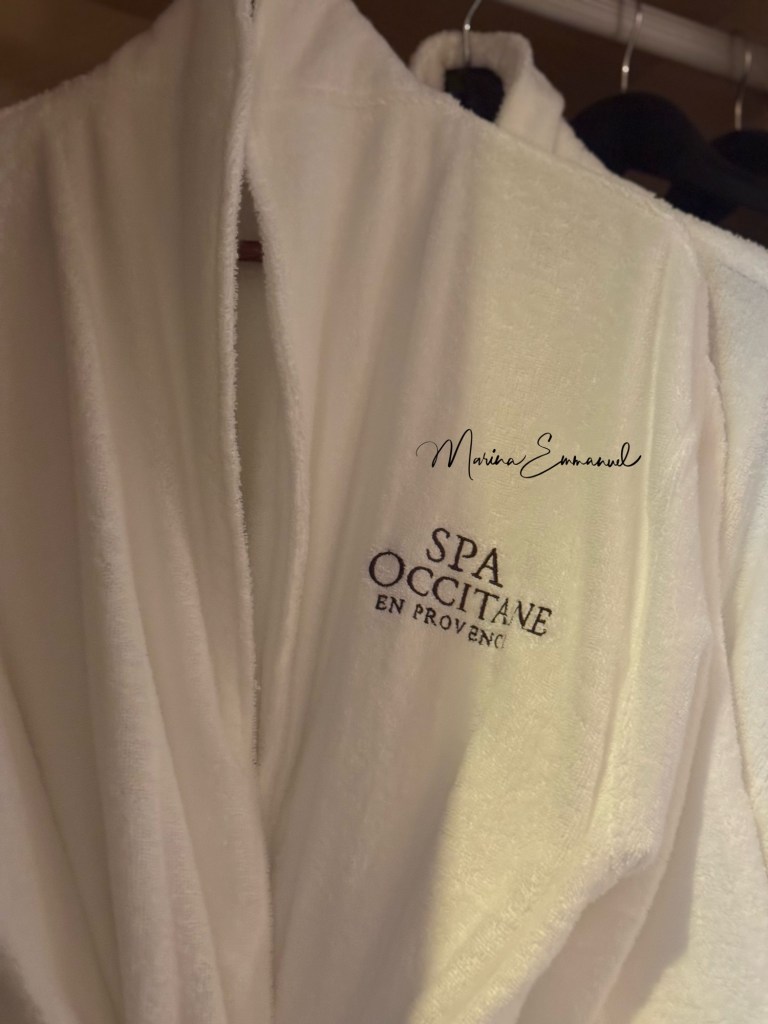
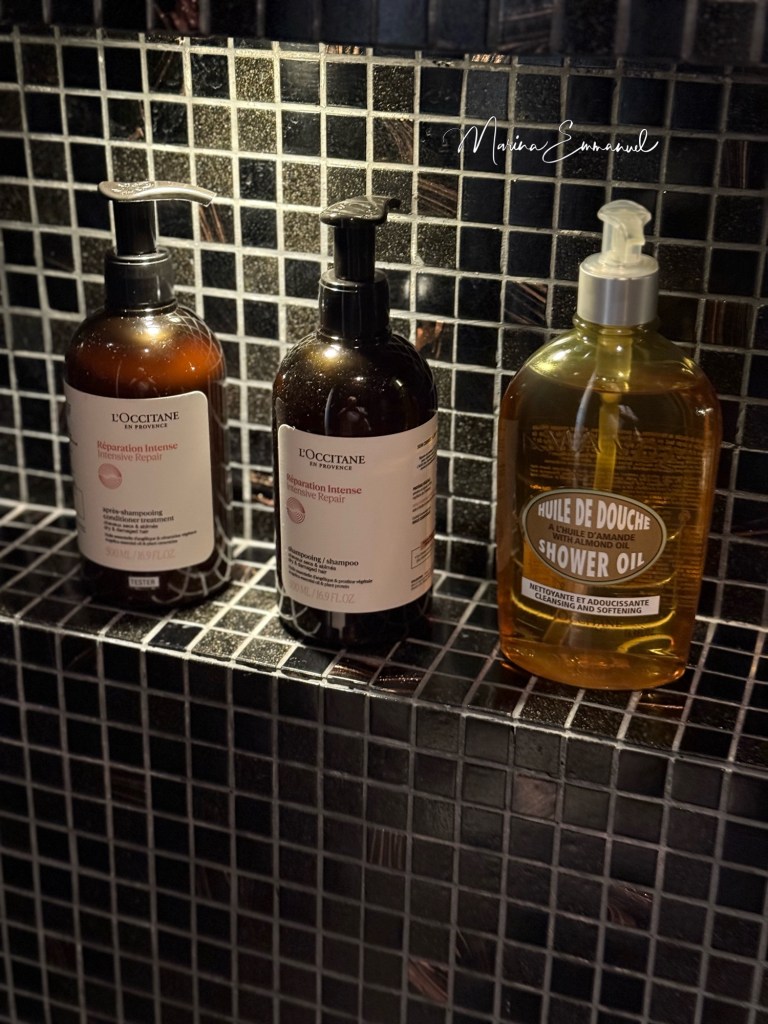
All well-loved L’Occitane products are used and found in its spas

Signature treatments include deeply relaxing aromachology massages and anti-aging facials powered by the brand’s proprietary formulations which were a magical way for me to de-stress post-Easter.

While L’Occitane is widely known for its boutiques, its spa division has quietly built a strong global presence.

Today:

• The brand operates over 100 spas across around 30 countries  

• Earlier figures show 90+ spas in nearly 30 countries, highlighting steady expansion  

• These spas are often housed within luxury hotels and resorts, including partnerships with brands like Sofitel , JW Marriott and now, the E&O.

Other notable locations include:

• Le Couvent des Minimes, France – a flagship destination set in a historic monastery

• Bali, Indonesia – tropical resort settings integrating local wellness traditions

• São Paulo, Brazil – urban sanctuary concepts

• Taipei and Hong Kong – where Eastern and Western aesthetics converge  

The brand’s shower amenities are found in the treatment rooms

Across these destinations, the brand adapts its treatments to local culture while maintaining its Provençal core—creating what it describes as a “360° wellbeing experience.”  

Penang has been steadily evolving into a lifestyle destination that balances culture, cuisine, and boutique luxury.

The arrival of Spa L’Occitane signals a broader shift: from heritage tourism to heritage wellness.

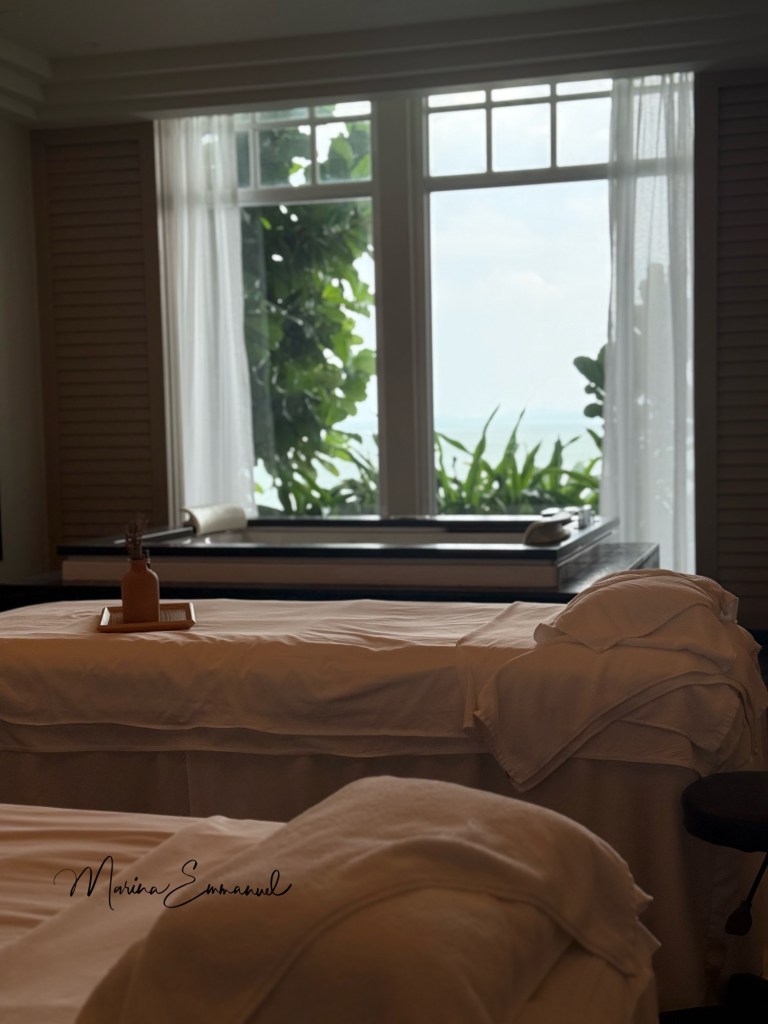
Welcome to spa bliss

By situating the spa within the Eastern & Oriental Hotel, L’Occitane is tapping into:

• The romantic nostalgia of colonial-era travel

• The growing demand for destination wellness experiences

• A regional audience increasingly drawn to premium, experience-led hospitality

This also aligns with L’Occitane’s broader strategy of embedding its spas within experiential environments, rather than standalone retail spaces.

For the Eastern & Oriental Hotel, the partnership enhances its positioning as more than a historic landmark—it becomes a wellness destination in its own right.

For travellers, it offers something rare: the chance to step from the vibrant streets of George Town into a sanctuary inspired by the lavender-scented hills of Provence.

And for Penang, it marks yet another step in its evolution—from cultural gem to holistic luxury destination.

In essence, L’Occitane’s arrival in Penang is not just about a spa—it’s about storytelling.

A story where French botanicals meet Malaysian heritage, and where the past and present come together in the most sensorial way possible.

Definitely calls for a return to sample more spa treats! 

Ends.

Penang and its spa possibilities have levelled up

#LOccitaneSpa #PenangLuxury #EOHotelPenang #SpaLuxeExperience #ProvenceMeetsPenang

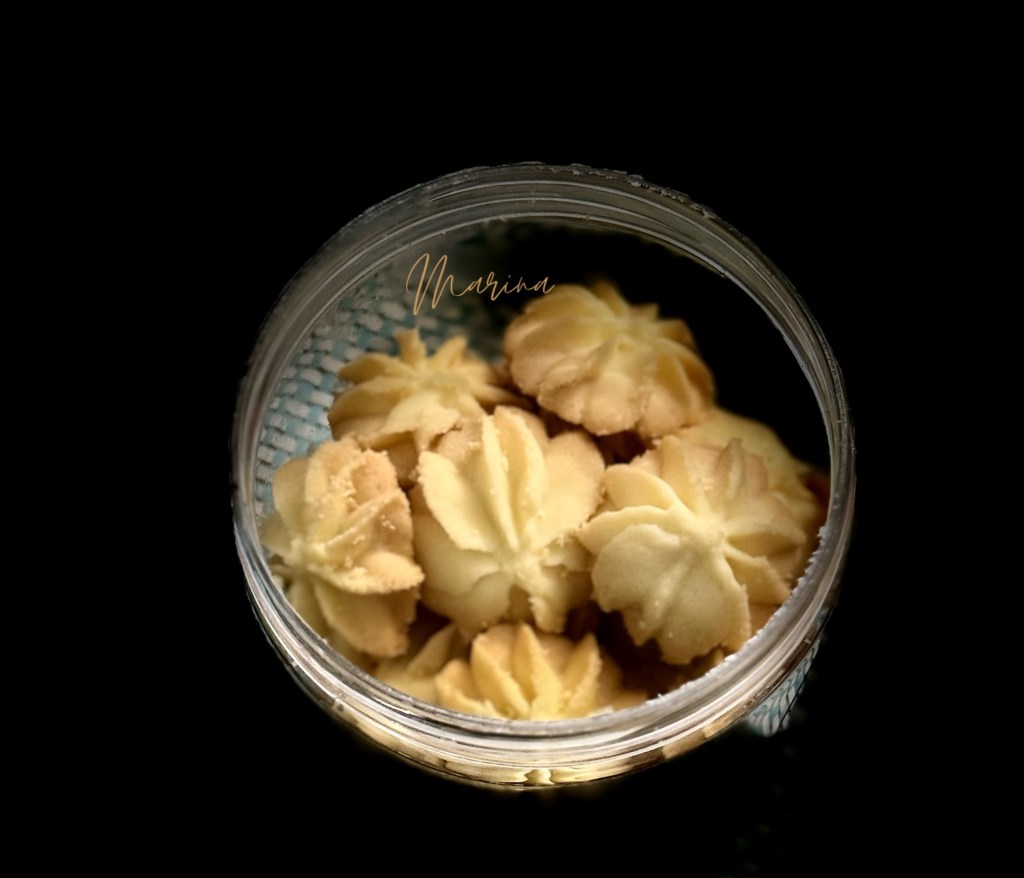
Honour the Treat

Golden Churn eggless butter cookies

In a world where trust is a rare gem, someone seems to have flipped the script! 

Baking with honour

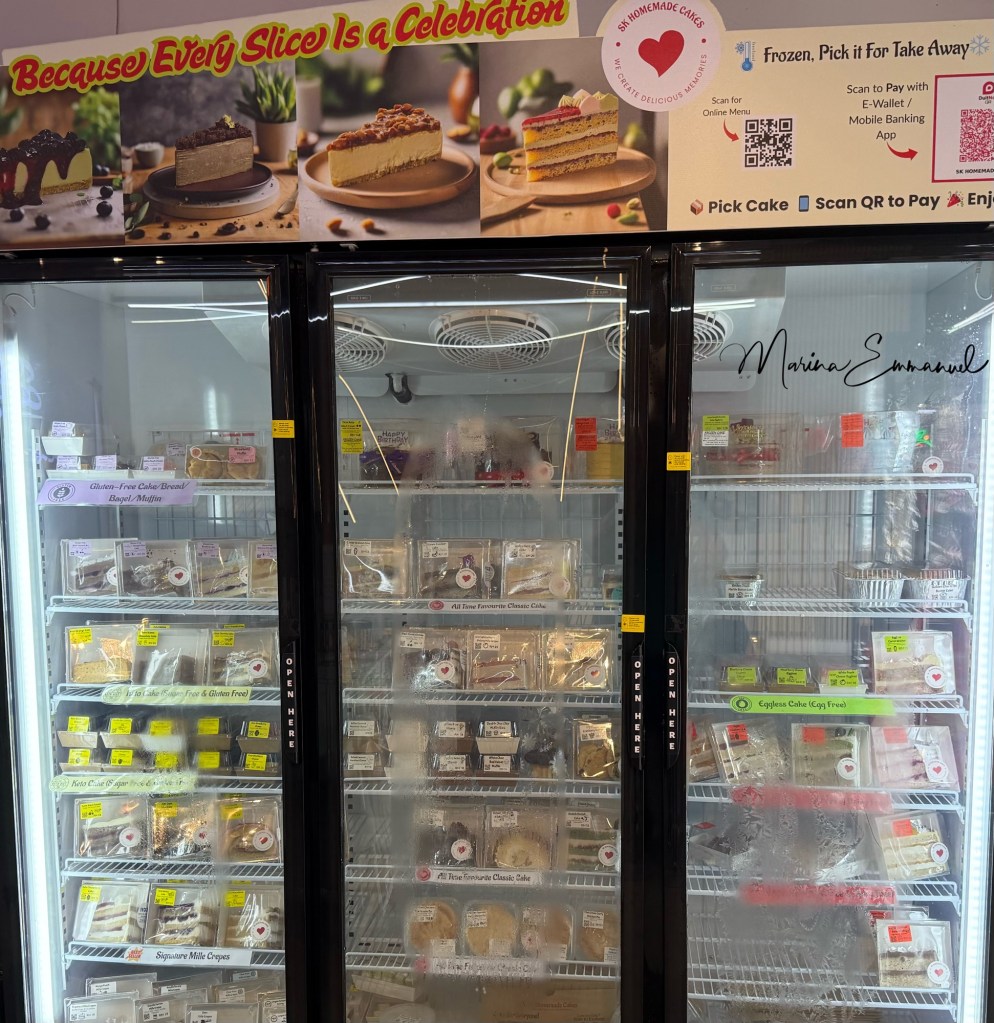
Welcome to SK Homemade Cakes’ self-serve kiosk at Island 88 (Island Plaza) where honesty is the best policy. Pick your treats (gluten-free,eggless, or indulgent buttery numbers), enter what you owe, and make cashless payment.

Sweet trust kiosk

Help yourself to their carrier bags and get your receipt straight to your email inbox.

Find them also at their 6, Jalan Merbau bricks & mortar bakery in Tanjong Tokong. 

Psst… cake and cookie samples available!  So go experience the power of trust and decency.

#TrustTheProcess #HonourSystem #SKHomemadeCakes

A Peranakan Feast to Welcome the Year of the Horse

Star-topper Serabai or “Apom Bokwa/Berkuah” at 32 Mansion

Since the start of the year, it’s been a whirlwind of Peranakan delights for me. 

Today’s Nyonya food promotion at 32Mansion, nestled along Jalan Sultan Ahmad Shah, was yet another cherry on top 🍒, Kah Hock and his team have truly nailed it!

The flavours… oh, the flavours 😍! It’s like a warm hug from Nyonya mum Nora (for those who know) herself. 

Each dish is a masterclass in balance, with the perfect blend of spices, herbs, and love ❤️. The stuffed asam fish with its tangy tamarind and fragrant lemongrass, transported me straight back to the kitchens of Peranakan grandmas. 

The pie-tee game here was also upped with crisp top-hat shells and a refreshing filling with just the right amount of chilli kick 🌶️.

But the show-stopper was the “serabai” which Nora’s daughter and I opted for dessert. 

Serabai, (also known as serabi in Indonesia), is a traditional Southeast Asian pancake or crumpet found in Penang made primarily from rice flour and coconut milk. It has a soft, spongy, and bubbly top with a slightly crispy base and is typically served as a sweet or savoury snack or dessert and enjoyed with a coconut and palm sugar syrup. 

Today’s lunch with Lil Sis Jo wasnt just a meal; it was a homecoming. 

A reunion of sorts, where the familiar flavours of Nyonya cooking bring back memories of loved ones and laughter shared around the dinner table. As we gather with family and friends for this Lunar New Year, there’s no better way to bond than over a feast of these comforting, soul-willing dishes. 

Kudos to Kah Hock at the sea-fronting 32Mansion, for crafting a culinary experience that’s sure to leave you feeling like you’re back in the bosom of your (real or adopted) Peranakan family 💕. 

Can’t wait to return  for more! 😋 

#PeranakanCuisine #NyonyaFood #32TheMansion #FoodiePenang #ChineseNewYearFeast

32Mansion / Beach Blanket Babylon

32 Jalan Sultan Ahmad Shah,

10050 George Town, Penang

Tel: 604-2622232

From Jewels to Jiu Hu Char : Aunty Gaik Lean’s Old School Charm on Bishop Street

Jiu Hu Char (stir-fry jicama with cuttlefish)

In the heart of George Town’s heritage district, Bishop Street whispers stories of elegance, history, and reinvention. 

Once home to the prestigious B.P. de Silva jewellers, this iconic row carried a reputation for luxury, refinement, and timeless craftsmanship — with a clientele that included royalty and dignitaries along with high society from across the region.

Today, in a delightful twist of heritage, that very space once filled with velvet-lined showcases now draws admirers of a different kind — food lovers. 

Entrance to the former B.P De Silva which is today home to Aunty Gaik Lean’s Old School Eatery
Award-winning one star Michelin restaurant

Stepping into the four-times awarded one-star Michelin Aunty Gaik Lean’s Old School Eatery, feels like walking into a lovingly preserved memory — with warm Peranakan hospitality, family recipes, and an unmistakable sense of home.

A Taste of Nostalgia, Reimagined

What sets Aunty Gaik Lean’s apart is not just its rich, authentic Nyonya flavours, but its Muslim-friendly menu that has not compromised on quality or taste. It’s a rare and respectful adaptation of traditional cuisine, made accessible to more diners without losing the heart of its heritage.

The nasi ulam is aromatic and vibrant, and the sambal belacan — bold as ever. Even vegetarian diners, including many from the Indian subcontinent, have found the dishes flavourful and deeply satisfying — a testament to the careful balance and generosity in the kitchen.

Where History Meets Heart

To dine here is to savour more than food. You sit where once patrons browsed fine gems under chandeliers, in a building that quietly cradles Penang’s evolving story — from colonial-era commerce to culinary celebration. 

The echoes of B.P. de Silva’s prestige lend a quiet dignity to the eatery, while the cheerful clatter of cutlery and scent of shallots signal a more grounded kind of luxury: a meal made with love.

Whether you’re drawn by memories of kampung cooking or curiosity for the space’s storied past, Aunty Gaik Lean’s offers more than just lunch or dinner — it offers a taste of heritage, harmony, and hospitality.

So, pull up a chair. The past has never felt so warm.


Auntie Gaik Lean’s Old School Eatery is located at 
1, Lebuh Bishop,
10200 George Town, Penang, Malaysia.

Contact +60 17-434 4398 (for reservations/inquiries)

Christmas Lights, Rising Waters: Rethinking Celebration in a Time of Crisis

(AI-generated image)

As the year draws to a close, streets across Malaysia begin to sparkle with festive lights. Shopping malls hum with carols, homes are dressed in garlands and glitter, and year-end parties are pencilled into calendars. It is, as always, a season of joy and reunion — a time many look forward to with childlike excitement.

But just beyond the glow of decorations, another kind of December story is unfolding.

In flood-prone parts of Malaysia and across the region, families are not preparing for carolling or Christmas dinners — they are scrambling for safety. Torrential rains have once again triggered floods, landslides, and displacement, with homes damaged, roads cut off, and lives upended.  

Rescue workers— many of them volunteers — are working around the clock, mirroring the selfless urgency we saw during the Covid-19 pandemic. They are braving strong currents, coordinating evacuations, and ensuring the vulnerable are moved to dry, safe ground — often while others are checking off holiday shopping lists.

This isn’t to say we shouldn’t celebrate. Christmas, after all, is a season of hope. But perhaps, in the midst of our festivity, we are being invited to pivot — to expand the meaning of our joy beyond consumption and convenience.

What if our celebrations reflected compassion?

Can we reframe our gatherings to include awareness, solidarity, and generosity? Can we temper our spending with giving— not just to charities, but to neighbours, places of worship, or families rebuilding their lives from mud-soaked ruins?

We often speak of Christmas as a season of love — but love isn’t always warm and glittering. Sometimes, it looks like quietly diverting resources meant for gifts toward a family in a flood relief centre. Sometimes it’s choosing presence over presents — showing up to support disaster appeals, or amplifying the voices of those affected.  

It could be as simple as asking:  

– Can I help a community get back on its feet?  

– Can I donate warm meals, clothes, or flood essentials?  

– Can I reach out to a local mosque, temple, or church providing shelter?  

At its heart, the message of Christmas is not about comfort or décor. It’s about God choosing to be born into mess, uncertainty, and danger — a stable instead of a palace. A displaced family instead of a secure home. That divine choice continues to echo today, in the muddy evacuation centres and tired faces of those still waiting for help.  

This December, perhaps we are being called to choose presence over excess, mercy over merriment, and solidarity over spectacle.

So as we light our Advent candles, let us also light the way for others.  

Let us sing carols not just for joy, but for justice.  

And let our year-end reflections lead not only to resolutions — but to renewed compassion.

(AI-generated image)