Tag Archives: Malaysia

Where Simplicity Meets Exceptional Steak

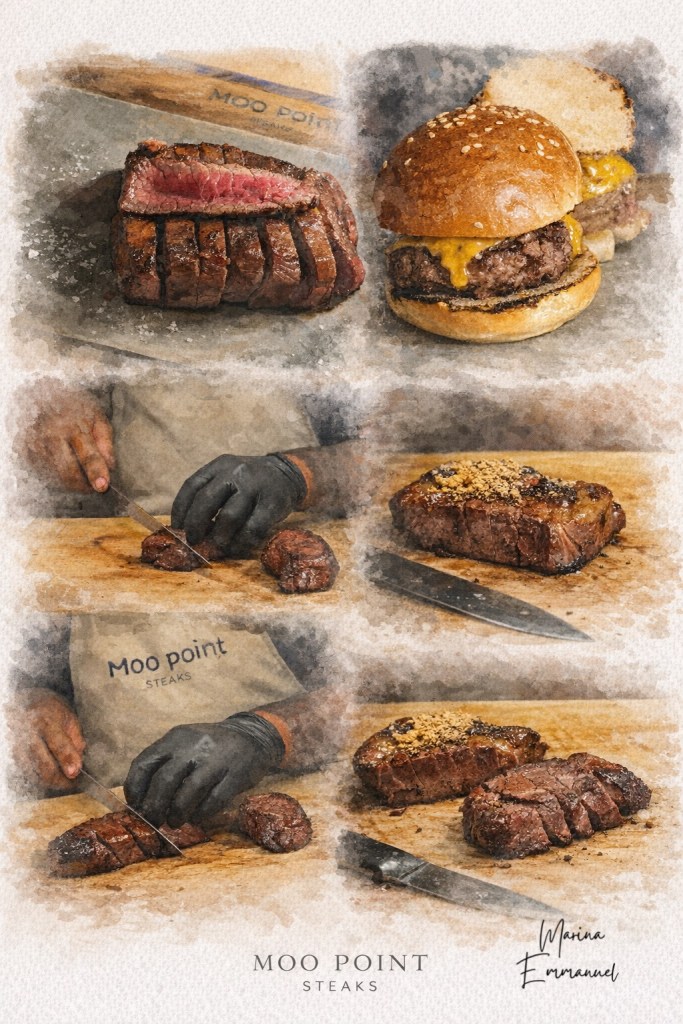
Tucked into the ever-evolving food scene of George Town, Moo Point Steaks offers a dining experience that feels both refined and refreshingly unpretentious.


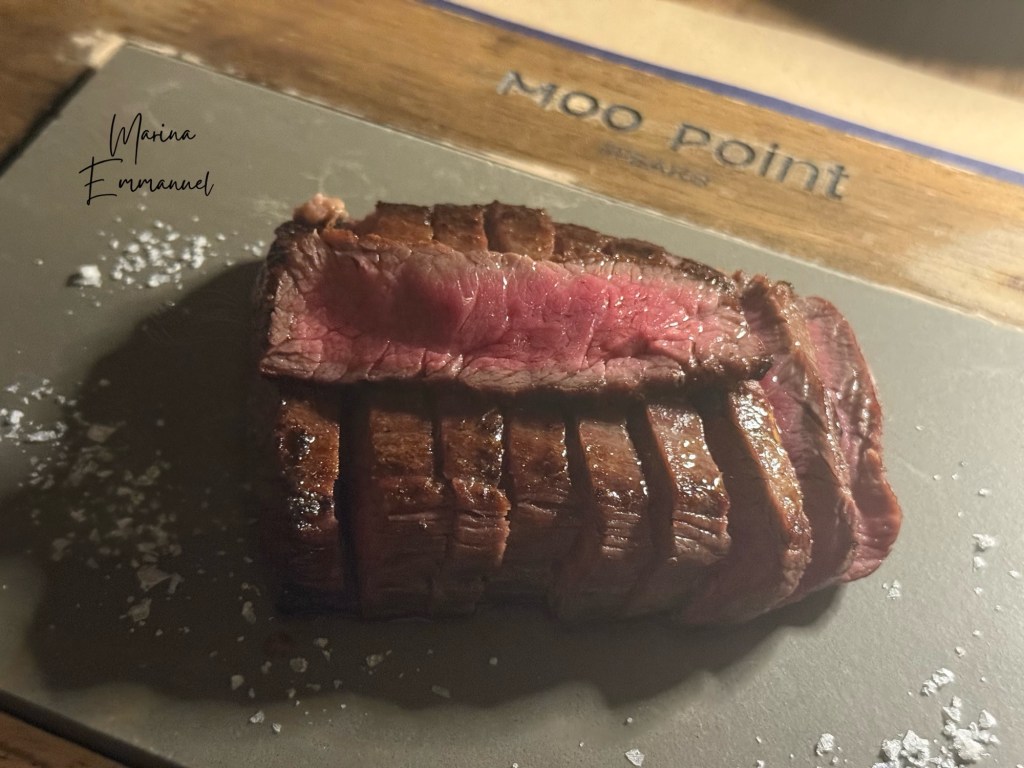
Sizzling perfection at Moo Point — a beautifully seared steak with a tender, juicy center, finished with a touch of salt for pure, bold flavour

It’s the kind of place that doesn’t need to announce itself loudly—the quality speaks for itself from the very first bite.

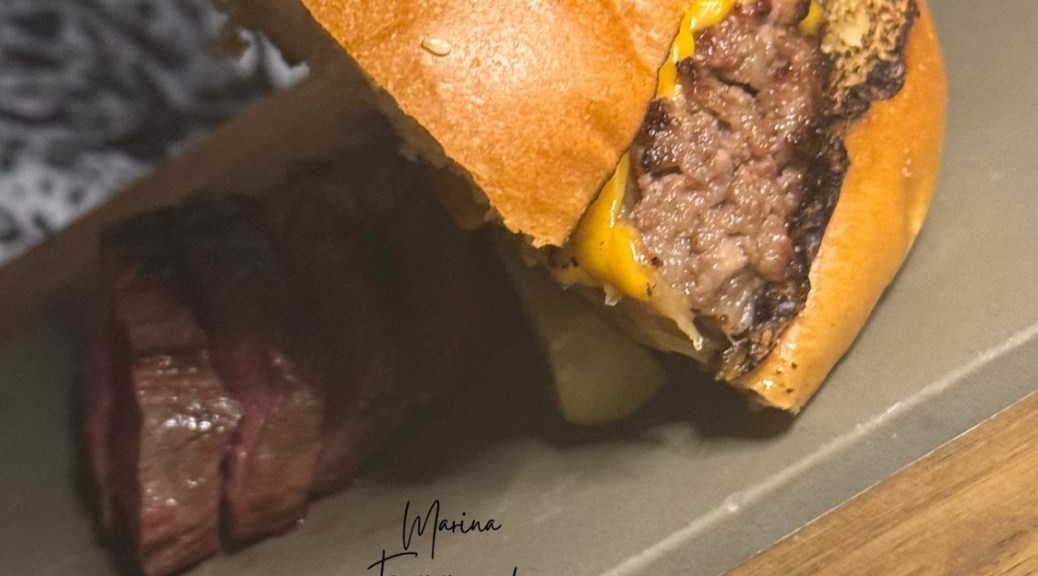
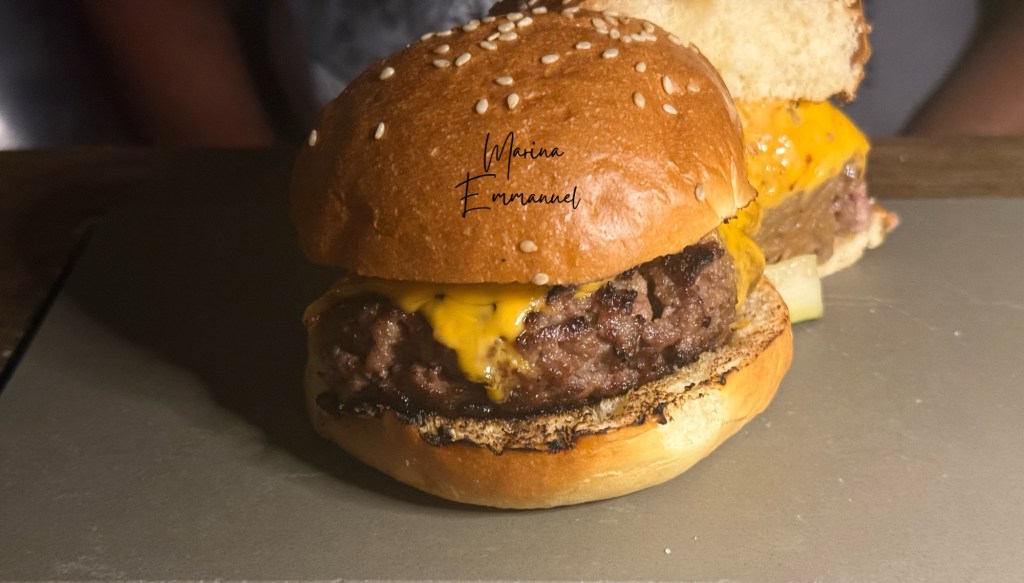
Not just any beef burger

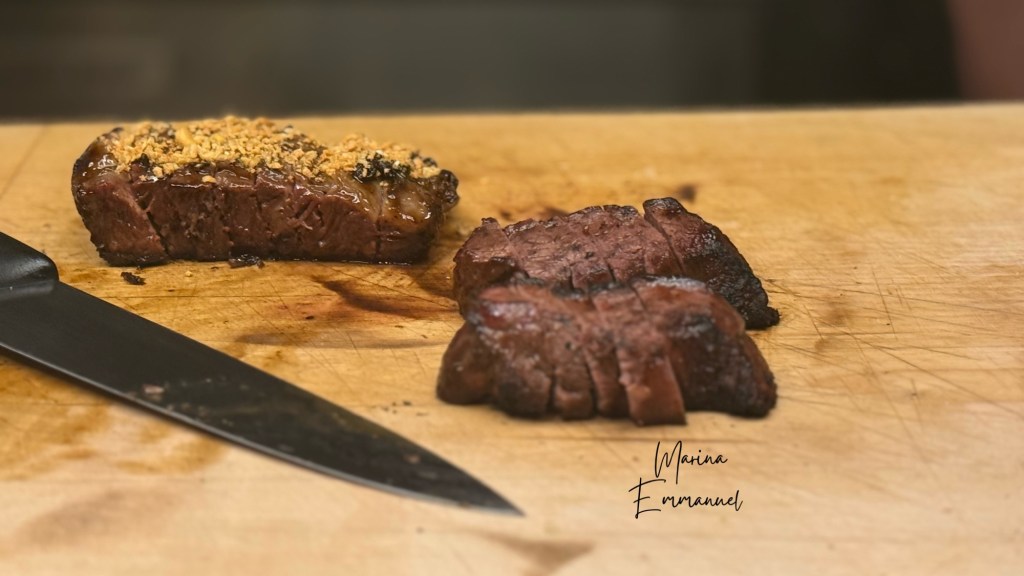
The steaks are the clear highlight. Thoughtfully sourced and expertly handled, each cut arrives cooked with precision, allowing the natural richness and character of the meat to shine through. There’s a quiet confidence in the way the food is presented—no excess, no distraction, just a clear focus on doing the fundamentals exceptionally well.


Precision slicing, premium cuts — Moo Point Steaks at its finest

Equally notable is the service. Warm, attentive, and understated, it strikes that rare balance of being present without ever intruding. It complements the overall experience perfectly, creating a space where you can settle in and simply enjoy the meal.

In a city known for its vibrant and diverse culinary landscape, Moo Point Steaks stands out not by being loud, but by being considered. It’s a welcome addition to George Town—one that gently elevates the local dining scene with its focus on quality, restraint, and quiet excellence.


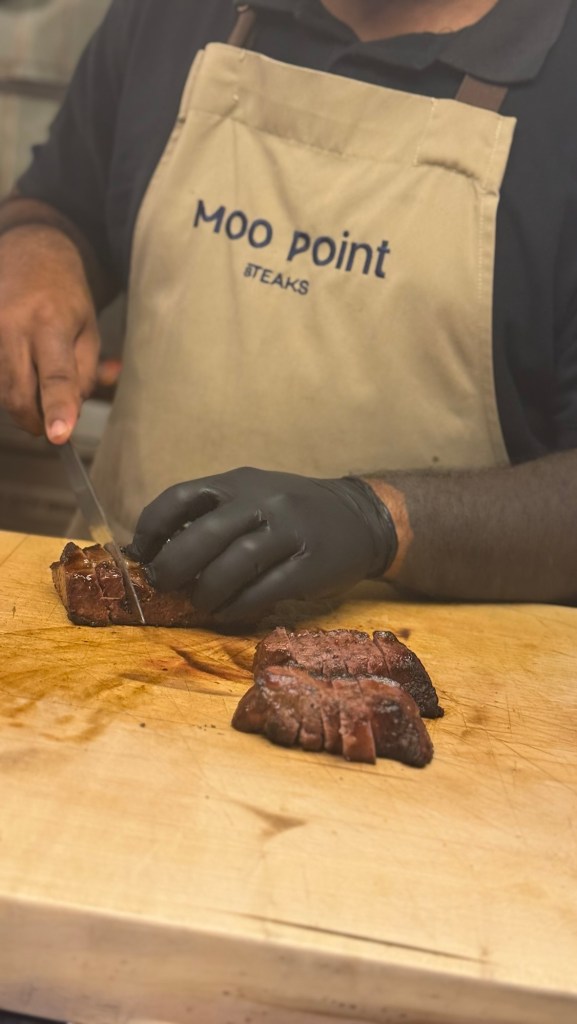
From sizzle to slice to bite — Moo Point Steaks is where every moment meets perfection

(Moo Point Steaks is located at 170 Jalan Hutton in George Town. Call +6016 273 0321)

The Last Supper Bells of Penang — When Icons Fade Into Memory

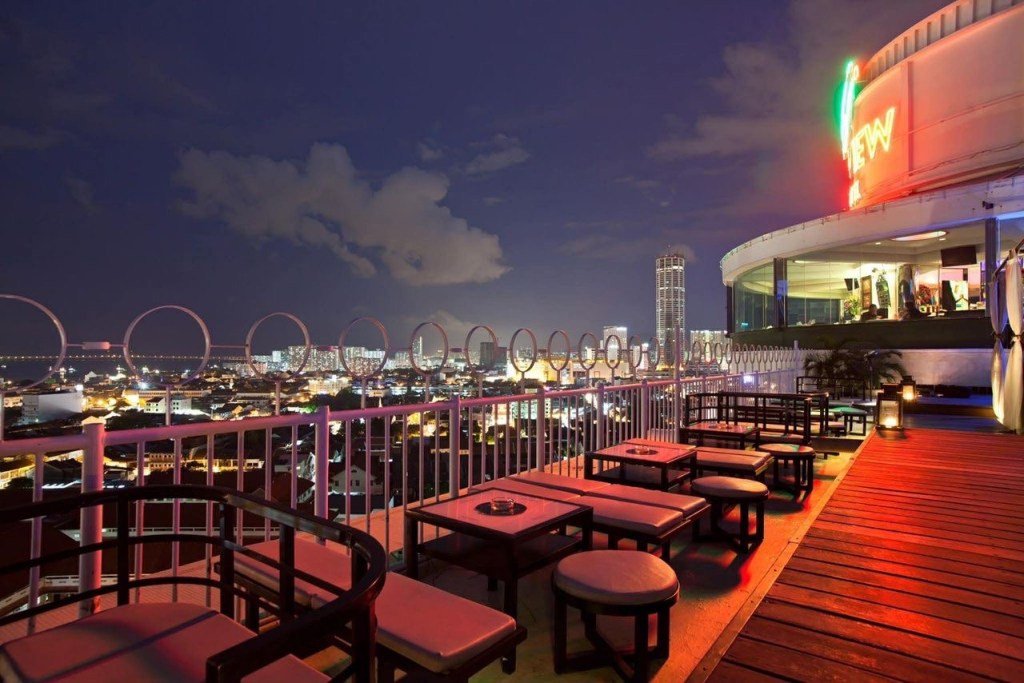
From first dates to quiet celebrations, Three Sixty wasn’t just a place — it was a feeling. And soon, it becomes a memory
(courtesy photo Yeoh Kah Hock)

There are restaurants you visit for a meal, and then there are those you grow up with — places that quietly stitch themselves into the fabric of your life.

In Penang, food is not just sustenance; it is memory, identity, and ritual.

So when news broke that three beloved establishments — Ocean Green, The Ship (Jalan Sri Bahari), and 360 Revolving Restaurant — will be closing their doors by the end of this month (April), it feels less like business news and more like the turning of a page in Penang’s living history. 

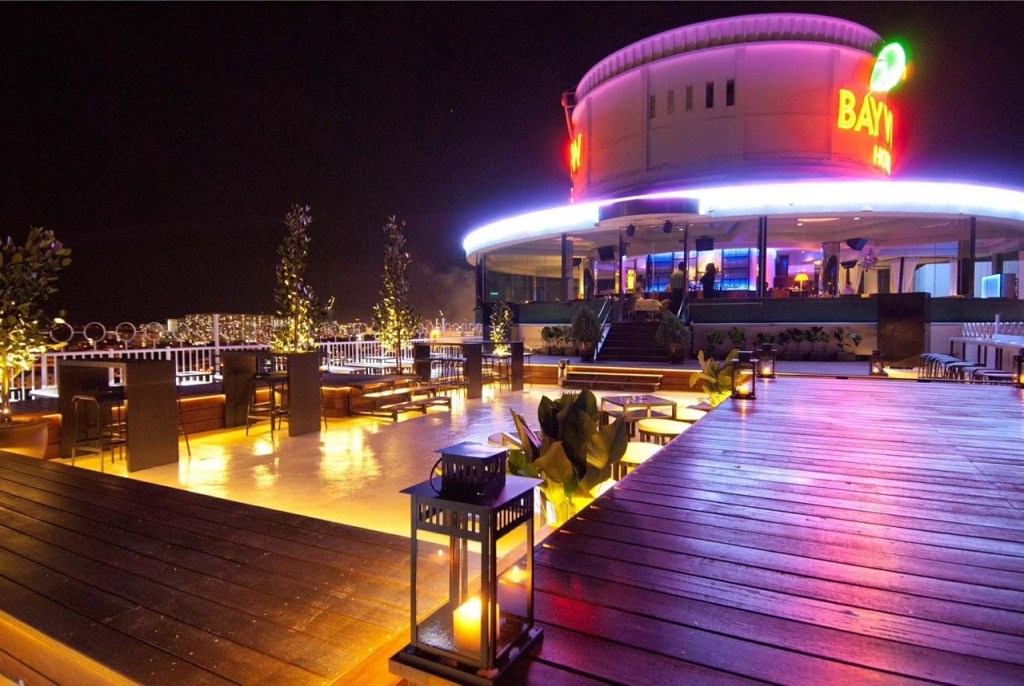
A restaurant/sky-bar with many views

For decades, Ocean Green stood quietly by the sea — not flashy, not trendy, but deeply beloved. 

Generations of Penangites marked birthdays, reunions, and weekend dinners here, often accompanied by the sound of waves and the salty breeze.

It has not been just a seafood restaurant; it’s been a ritual.

The smoky aroma of satay, the comforting familiarity of steamed fish and ‘Choon Pneah’ (spring rolls), and the communal joy of sharing dishes under open skies have made Ocean Green a place where time seemed to slow down.

It represents a Penang that was unhurried — where meals stretched into conversations and laughter echoed into the night.

Now, as it prepares to close at the end of April 2026, many are mourning more than just a dining spot. They are saying goodbye to a place where childhoods were celebrated and family traditions quietly formed.

Ocean Green has stood out not because it reinvented dining, but because it never needed to. It has remained steadfast — a constant in a rapidly changing culinary landscape.

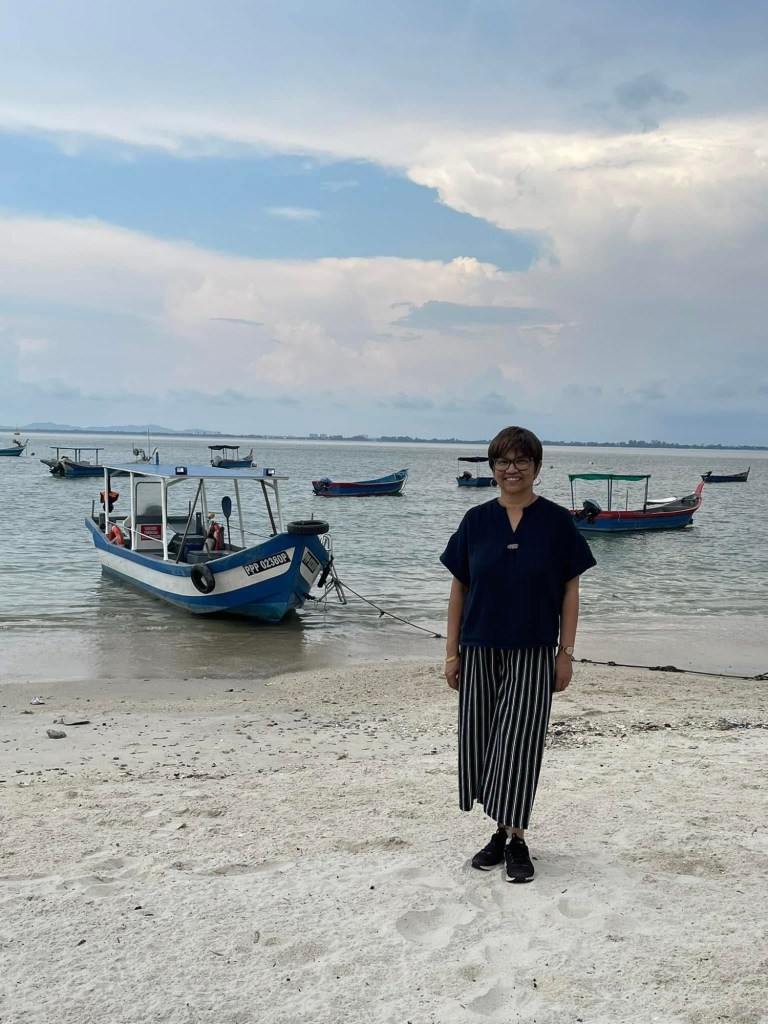
The late and fun-loving journalist Fauziah Varusay who had relocated to Australia, visited the beach fronting Ocean Green on her final trip to Penang

If Ocean Green was about the sea breeze, The Ship along Jalan Sri Bahari was about imagination grounded in the heart of George Town.

While many remember the Batu Ferringhi outlet, the Sri Bahari branch has carried its own quiet legacy — one rooted in decades of loyal patrons and timeless Western classics. 

Walking in felt like stepping into a different era: dark wood interiors, maritime motifs, and the unmistakable sizzle of hot plates arriving at your table.

For many Penangites, this was where Western dining became accessible and memorable — where steaks, garlic bread, and mushroom soup defined special occasions. 

It was where first dates happened, where families celebrated milestones, and where a sense of occasion was built into every visit.

More than just a themed restaurant, The Ship has represented a chapter in Penang’s evolution — when dining out meant dressing up, slowing down, and savouring the experience.

Its impending closure marks the fading of a time when restaurants told stories not just through food, but through atmosphere and ritual.

High above the city, 360 Revolving Restaurant at the top of City Bayview Hotel (now called Bayview Hotel Georgetown) has offered something few places could: perspective.

It wasn’t just about the buffet or the ambiance — it was about watching Penang move. Slowly rotating, the restaurant gave diners a panoramic view of George Town and beyond, transforming meals into moments of quiet reflection.

It became a symbol of a more modern Penang — one that embraced skyline views, elevated dining, and a touch of sophistication.


They came for the food, but stayed for the view … and are leaving with memories
(courtesy image Yeoh Kah Hock)

From romantic dinners to celebratory nights, the experience of watching the city shift beneath you made every visit feel cinematic. It was where proposals happened, anniversaries were toasted, and visitors saw Penang from an entirely different angle.

Now, as it prepares for its “final spin,” one of the island’s most recognisable dining experiences will soon become a memory.

What makes these closures so poignant is not just their longevity, but what they represent collectively:

• Ocean Green — the soul of seaside, communal dining

• The Ship (Jalan Sri Bahari) — the nostalgia of classic Western dining in the city

• 360 Revolving Restaurant (City Bayview Hotel) — the modern, elevated view of Penang

Together, they tell the story of an island through food — from humble coastal feasts to nostalgic dining rooms and sky-high experiences.

Penang’s food scene will continue to thrive — it always does.

New cafés will emerge, new trends will take hold. But places like these cannot be replaced, because they were never just about food.

They were about time.

And as April draws to a close, Penang isn’t just losing three restaurants.

It is quietly saying goodbye to three chapters of itself.

Ends.

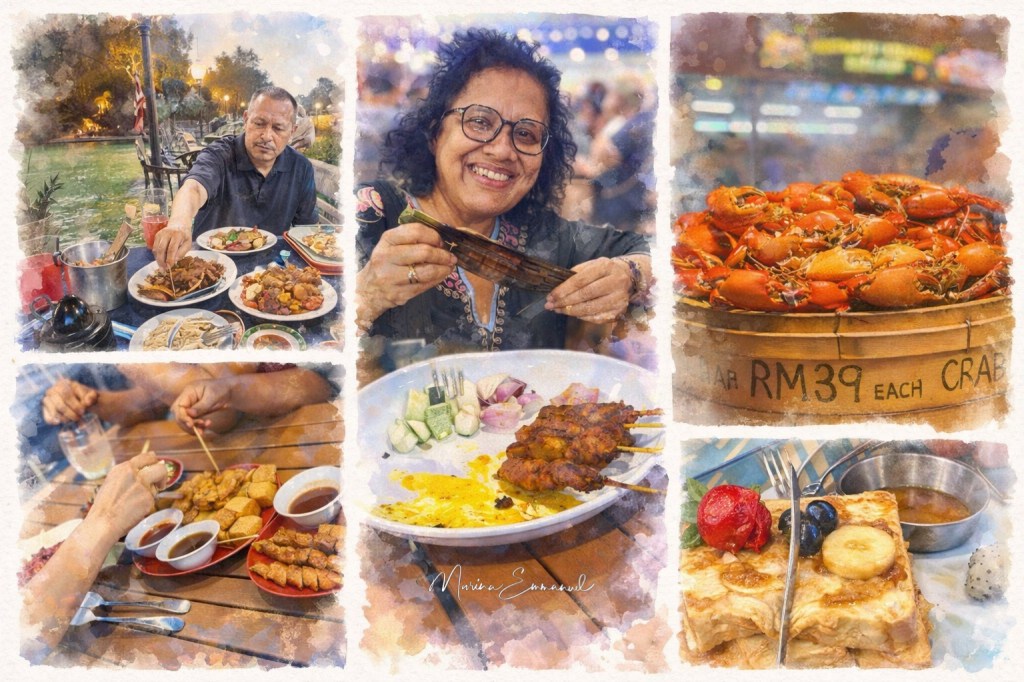
The (food) stories that Penang tells
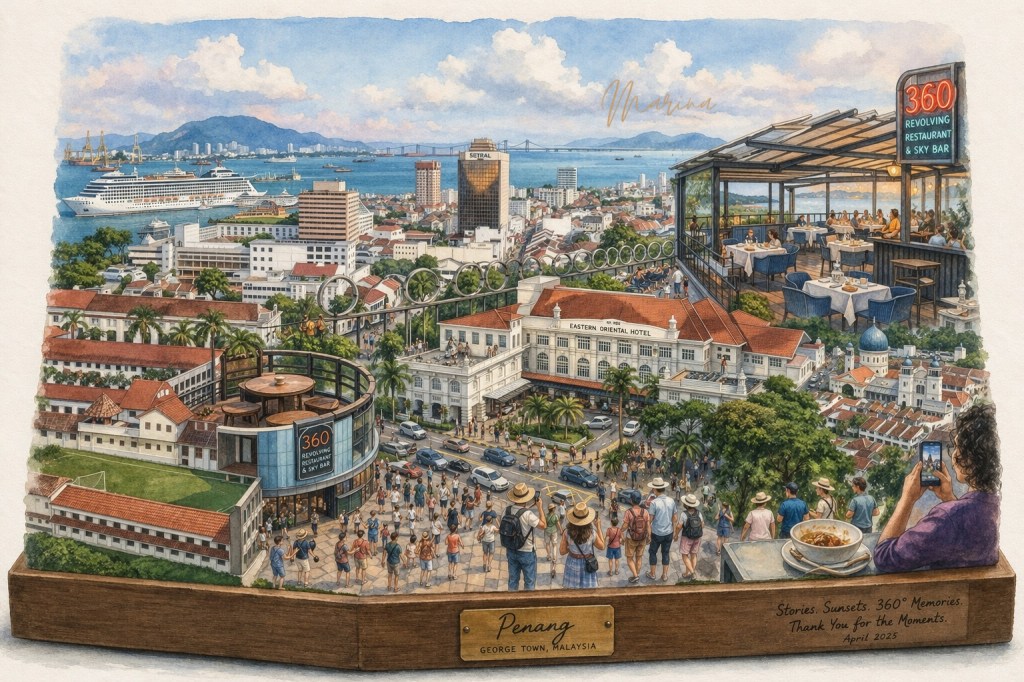
Precious memories and views of Penang from 360 Revolving Restaurant and Sky Bar

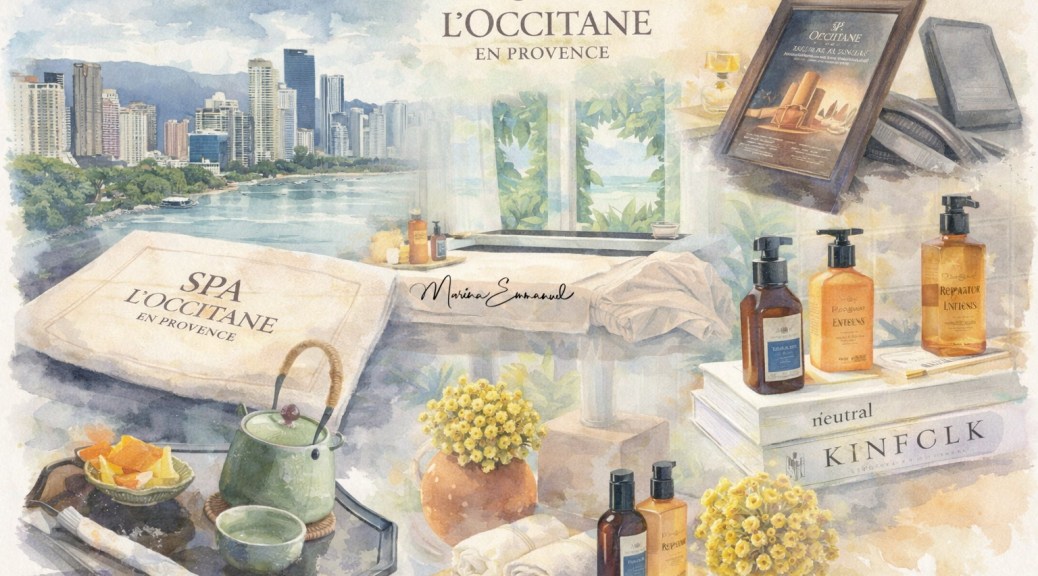
L’Occitane Brings Provençal Wellness to Penang

A new chapter for the Eastern & Oriental Hotel

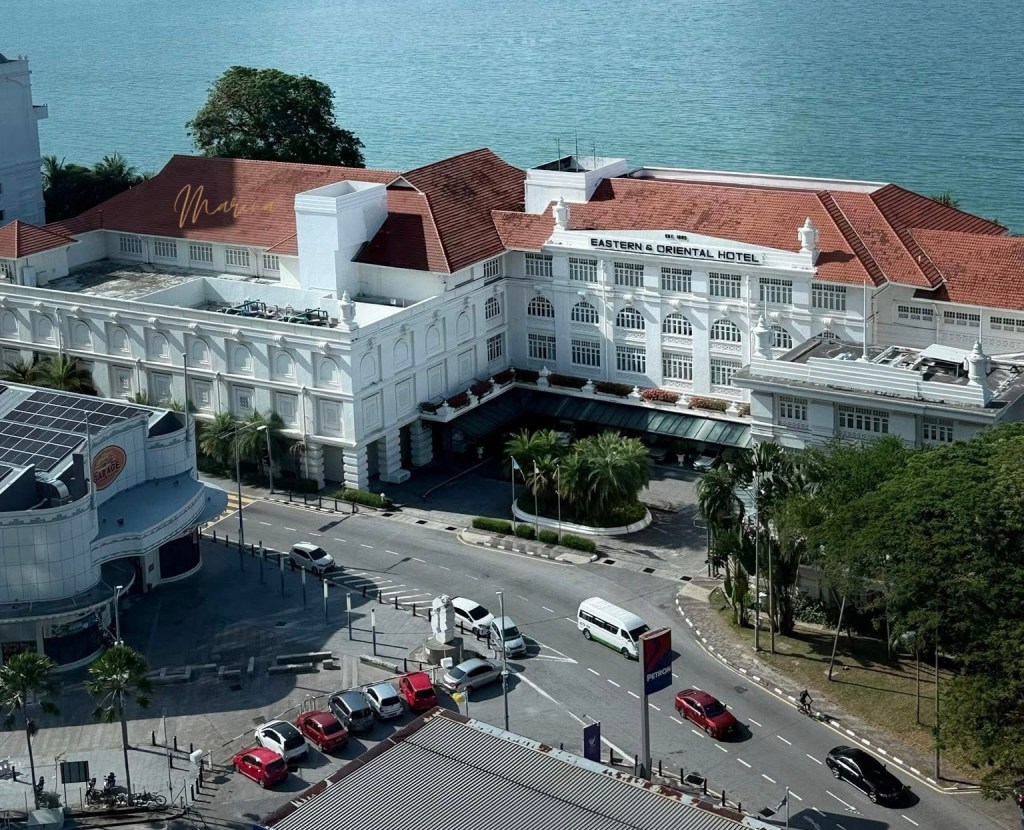
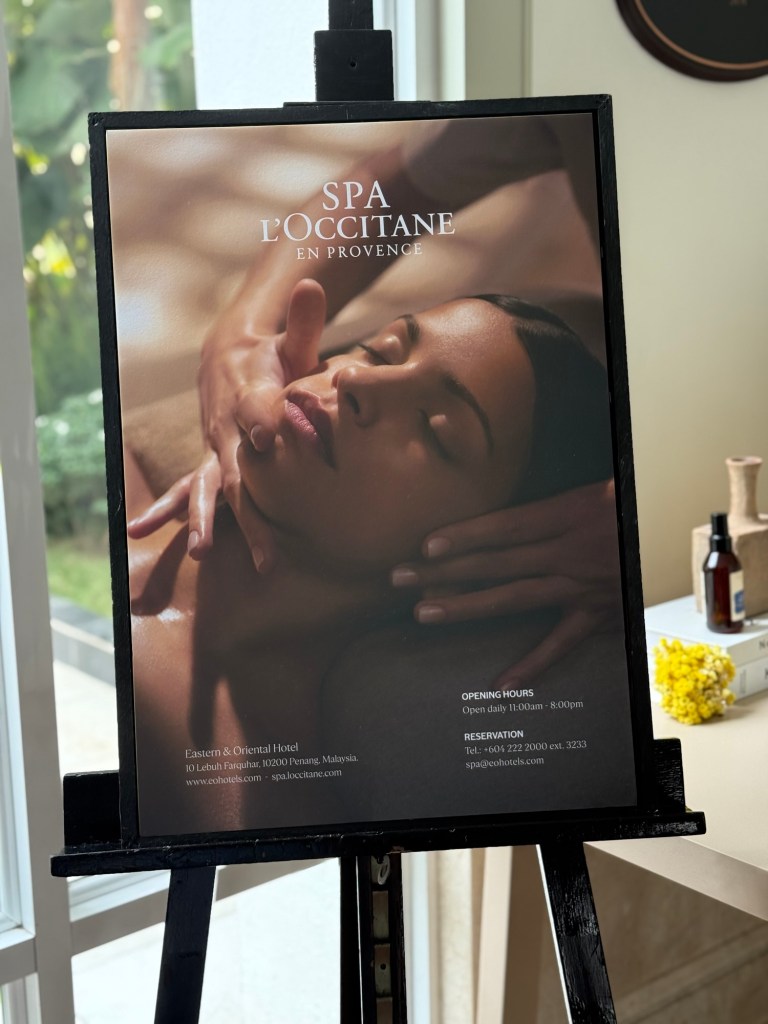
In a move that beautifully blends French wellness philosophy with Southeast Asia’s rich heritage, L’Occitane en Provence has brought  its signature spa experience to Malaysia in Penang—nestled within the storied walls of the Eastern & Oriental Hotel (E&O) in George Town.

The Spa L’Occitane en Provence marks a significant moment for both the brand and the destination: a meeting of timeless European sensorial luxury and one of Malaysia’s most iconic heritage hotels.

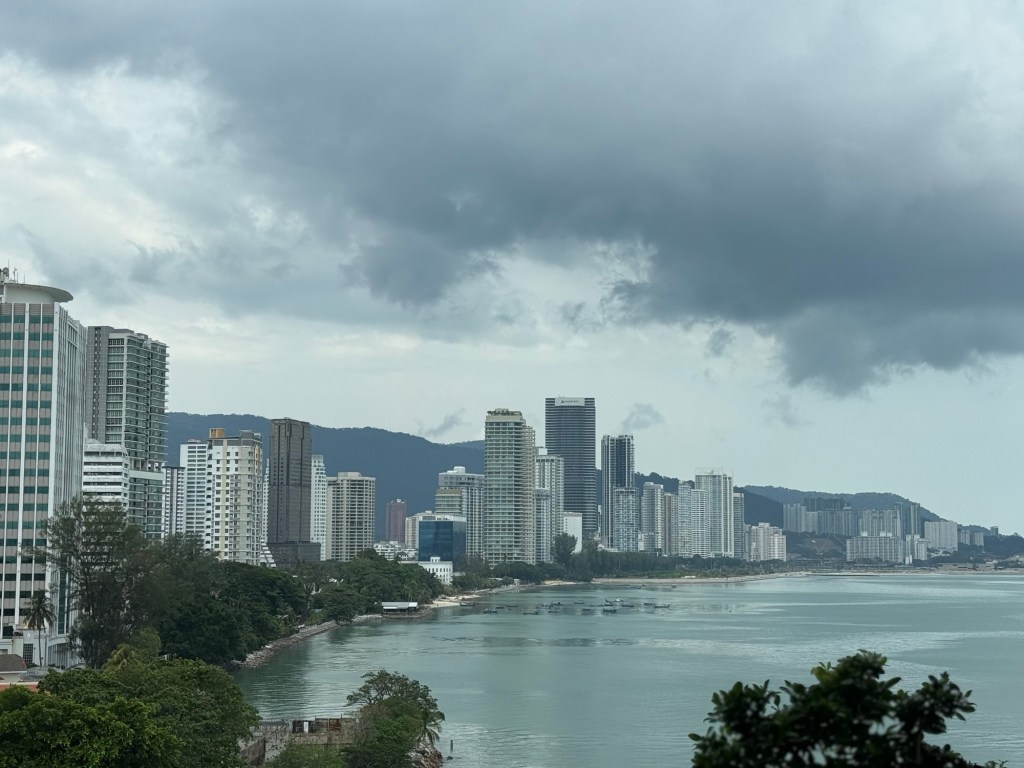
Perched along the seafront in George Town—a UNESCO World Heritage city—the Eastern & Oriental Hotel has long been synonymous with colonial elegance and old-world charm. Now, it has added a new layer to its legacy: immersive, nature-inspired wellness.

Welcoming all spa novices and junkies

As a L’Occitane fan (and spa junkie!), the recent announcements that a Spa L’Occitane is “coming soon” to the E&O Hotel, sent me sprinting over to check out one of the brand’s notable new openings in the region.  

The choice of location is no coincidence. L’Occitane’s spa philosophy I understand, thrives in environments that evoke tranquility, authenticity, and a sense of place—qualities that the E&O embodies effortlessly.

Founded in 1976 in southern France, L’Occitane built its identity around the natural ingredients and traditions of Provence—lavender fields, almond groves, and aromatic herbs.  

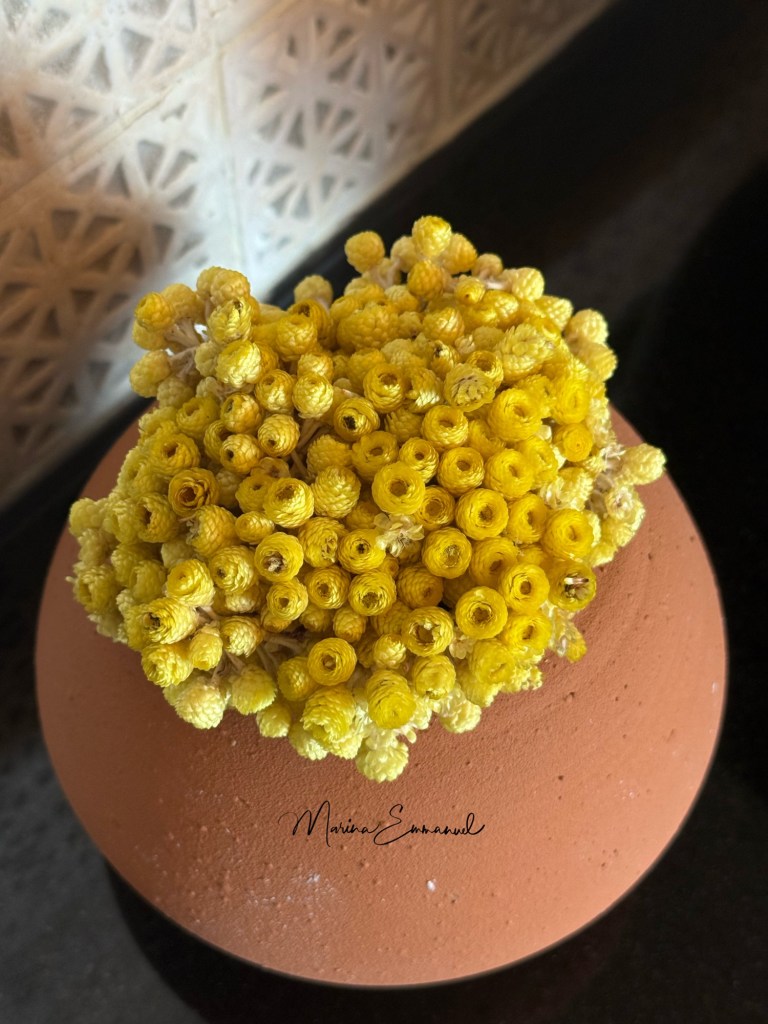
Immortelle flowers are one of the signature ingredients in a dedicated range of their products

Its spas extend that ethos into a multi-sensory wellness experience. 

Rather than simply offering treatments, Spa L’Occitane is designed as a journey—one that engages touch, scent, and ritual.

At the heart of the concept:

• Provençal botanicals such as immortelle, lavender, and shea butter

• Hands-on therapies delivered by trained therapists (mine was the lovely Shirley) 

• Holistic rituals that combine relaxation with measurable skin and body benefits

• A strong emphasis on sensorial immersion and wellbeing  

All well-loved L’Occitane products are used and found in its spas

Signature treatments include deeply relaxing aromachology massages and anti-aging facials powered by the brand’s proprietary formulations which were a magical way for me to de-stress post-Easter.

While L’Occitane is widely known for its boutiques, its spa division has quietly built a strong global presence.

Today:

• The brand operates over 100 spas across around 30 countries  

• Earlier figures show 90+ spas in nearly 30 countries, highlighting steady expansion  

• These spas are often housed within luxury hotels and resorts, including partnerships with brands like Sofitel , JW Marriott and now, the E&O.

Other notable locations include:

• Le Couvent des Minimes, France – a flagship destination set in a historic monastery

• Bali, Indonesia – tropical resort settings integrating local wellness traditions

• São Paulo, Brazil – urban sanctuary concepts

• Taipei and Hong Kong – where Eastern and Western aesthetics converge  

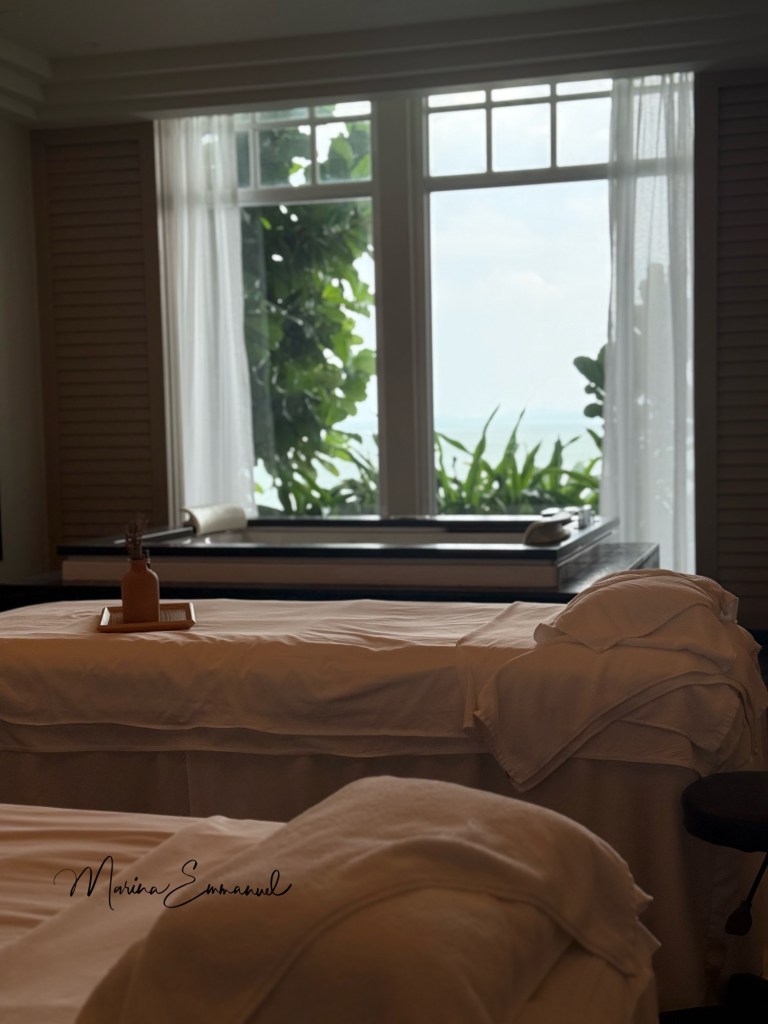
The brand’s shower amenities are found in the treatment rooms

Across these destinations, the brand adapts its treatments to local culture while maintaining its Provençal core—creating what it describes as a “360° wellbeing experience.”  

Penang has been steadily evolving into a lifestyle destination that balances culture, cuisine, and boutique luxury.

The arrival of Spa L’Occitane signals a broader shift: from heritage tourism to heritage wellness.

Welcome to spa bliss

By situating the spa within the Eastern & Oriental Hotel, L’Occitane is tapping into:

• The romantic nostalgia of colonial-era travel

• The growing demand for destination wellness experiences

• A regional audience increasingly drawn to premium, experience-led hospitality

This also aligns with L’Occitane’s broader strategy of embedding its spas within experiential environments, rather than standalone retail spaces.

For the Eastern & Oriental Hotel, the partnership enhances its positioning as more than a historic landmark—it becomes a wellness destination in its own right.

For travellers, it offers something rare: the chance to step from the vibrant streets of George Town into a sanctuary inspired by the lavender-scented hills of Provence.

And for Penang, it marks yet another step in its evolution—from cultural gem to holistic luxury destination.

In essence, L’Occitane’s arrival in Penang is not just about a spa—it’s about storytelling.

A story where French botanicals meet Malaysian heritage, and where the past and present come together in the most sensorial way possible.

Definitely calls for a return to sample more spa treats! 

Ends.

Penang and its spa possibilities have levelled up

#LOccitaneSpa #PenangLuxury #EOHotelPenang #SpaLuxeExperience #ProvenceMeetsPenang

Small Scene, Big Nostalgia — Sin Kee in Miniature

KL old-school treat

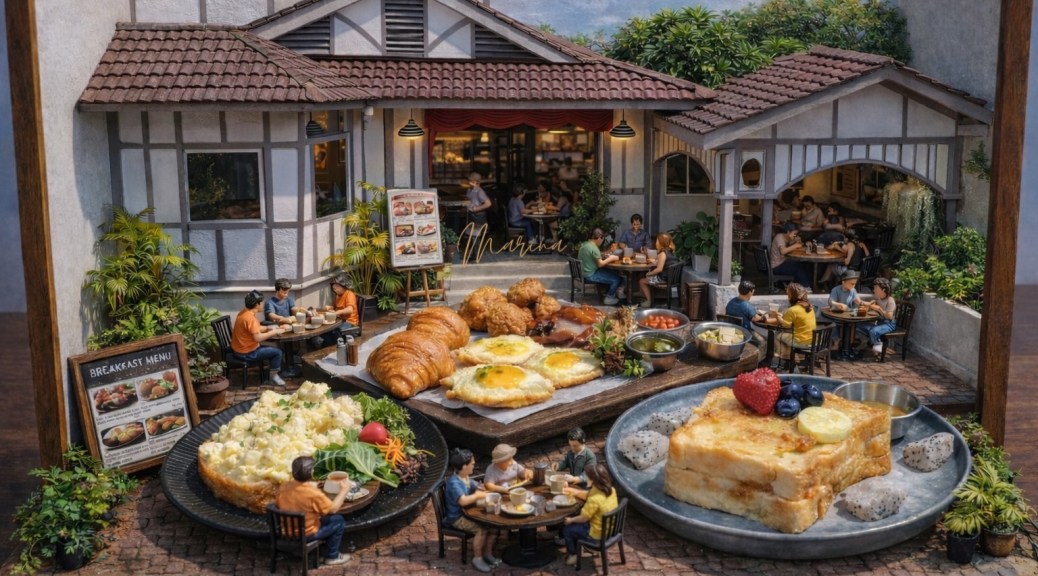
Welcome to my miniature take on Sin Kee Restaurant — a true old-school Hainanese kopitiam tucked away in Brickfields, Kuala Lumpur.

No frills, no fuss — just decades of honest cooking since 1968. Sin Kee has quietly built its reputation on comforting classics like Hainanese chicken chop, pork chop rice, and rich, gravy-soaked fried rice that hits every nostalgic note. It’s the kind of place where recipes haven’t changed, and neither has the charm.

In this little diorama, I imagined their iconic dishes as a bustling kopitiam scene — where tiny diners gather around larger-than-life plates, soaking in that familiar, comforting atmosphere we all know and love.

Because sometimes, the simplest places leave the biggest impressions. 

#MiniatureWorld #DioramaArt #KopitiamVibes #SinKee #Brickfields #KLFoodie #HainaneseFood 

Restaurant Sin Kee, 194 Jalan Tun Sambanthan, Brickfields, 50470 KL

Honour the Treat

Golden Churn eggless butter cookies

In a world where trust is a rare gem, someone seems to have flipped the script! 

Baking with honour

Welcome to SK Homemade Cakes’ self-serve kiosk at Island 88 (Island Plaza) where honesty is the best policy. Pick your treats (gluten-free,eggless, or indulgent buttery numbers), enter what you owe, and make cashless payment.

Sweet trust kiosk

Help yourself to their carrier bags and get your receipt straight to your email inbox.

Find them also at their 6, Jalan Merbau bricks & mortar bakery in Tanjong Tokong. 

Psst… cake and cookie samples available!  So go experience the power of trust and decency.

#TrustTheProcess #HonourSystem #SKHomemadeCakes

From Jewels to Jiu Hu Char : Aunty Gaik Lean’s Old School Charm on Bishop Street

Jiu Hu Char (stir-fry jicama with cuttlefish)

In the heart of George Town’s heritage district, Bishop Street whispers stories of elegance, history, and reinvention. 

Once home to the prestigious B.P. de Silva jewellers, this iconic row carried a reputation for luxury, refinement, and timeless craftsmanship — with a clientele that included royalty and dignitaries along with high society from across the region.

Today, in a delightful twist of heritage, that very space once filled with velvet-lined showcases now draws admirers of a different kind — food lovers. 

Entrance to the former B.P De Silva which is today home to Aunty Gaik Lean’s Old School Eatery
Award-winning one star Michelin restaurant

Stepping into the four-times awarded one-star Michelin Aunty Gaik Lean’s Old School Eatery, feels like walking into a lovingly preserved memory — with warm Peranakan hospitality, family recipes, and an unmistakable sense of home.

A Taste of Nostalgia, Reimagined

What sets Aunty Gaik Lean’s apart is not just its rich, authentic Nyonya flavours, but its Muslim-friendly menu that has not compromised on quality or taste. It’s a rare and respectful adaptation of traditional cuisine, made accessible to more diners without losing the heart of its heritage.

The nasi ulam is aromatic and vibrant, and the sambal belacan — bold as ever. Even vegetarian diners, including many from the Indian subcontinent, have found the dishes flavourful and deeply satisfying — a testament to the careful balance and generosity in the kitchen.

Where History Meets Heart

To dine here is to savour more than food. You sit where once patrons browsed fine gems under chandeliers, in a building that quietly cradles Penang’s evolving story — from colonial-era commerce to culinary celebration. 

The echoes of B.P. de Silva’s prestige lend a quiet dignity to the eatery, while the cheerful clatter of cutlery and scent of shallots signal a more grounded kind of luxury: a meal made with love.

Whether you’re drawn by memories of kampung cooking or curiosity for the space’s storied past, Aunty Gaik Lean’s offers more than just lunch or dinner — it offers a taste of heritage, harmony, and hospitality.

So, pull up a chair. The past has never felt so warm.


Auntie Gaik Lean’s Old School Eatery is located at 
1, Lebuh Bishop,
10200 George Town, Penang, Malaysia.

Contact +60 17-434 4398 (for reservations/inquiries)

Unveiling the History: the tale behind “Pritchard’s of Penang – Enterprise, Secession, and Murder”, by Marcus Langdon.

Presenting slices of precious insights into Penang’s retail scene (courtesy image: Marcus Langdon)

(BACK COVER BLURB)

Pritchard & Co. Ltd. (1888–1959) is a name which has almost faded from memory in Malaysia. Its foundation and development encompass a period when Malaya saw unprecedented growth driven by an export boom in tin, rubber, and other agricultural produce which coincided with advances in technology such as the invention of electricity, telephones, motorised vehicles, and aircraft. 

As the first widely-diversified department store in northern Malaya, with its main store in Penang and branches in Ipoh, Butterworth, and Sungai Petani, Pritchard’s became a key player in the growth of retailing in Malaya during the best and worst of times of British colonial Malaya. 

Drawn from family documents  and richly-illustrated with nearly 300 images, including many rarely seen photographs from inside the stores, this book captures spectacularly the essence of times past as it follows the fortunes, activities, and fate of the business and the family behind it.


9-11 Union Street, constructed by Pritchard & Co. in 1916, currently the Maybank building (Courtesy of The Robert Hussey Collection)

“Pritchard’s of Penang –  Enterprise, Secession, and Murder” featuring items from The Robert Hussey Collection is a thoroughly-researched and richly-detailed exploration of one of Penang’s most iconic retail establishments. 

Drawing from a wealth of memorabilia and personal insights provided by someone intimately connected to the Pritchard family, historian Marcus Langdon masterfully weaves a narrative that captures the essence of the island’s retail history from the British colonial era to modern times.


 15 Beach Street, where Pritchard & Co. began (Courtesy of The Robert Hussey Collection)

“During a research trip to Singapore around 2011, a well-spoken gentleman named Robert Hussey contacted me,” says Langdon in the book’s preface.

“In his possession were some old Penang photographs which had been left to him, and he wondered if they might have some historical interest.”

Langdon had recently relocated to Penang and Hussey, too, was making plans to move from Singapore to Penang—the place of his birth. Some three years later he made that move. 

“Over the next few years,” Langdon recalls “we met up regularly and I became aware of the extent of his collection.

“Essentially it was an assemblage of personal documents, photographs, drawings, and miscellaneous items relating to several generations of the Pritchard family, the core of the collection offered a wonderful insight into British life in Penang in the late nineteenth and early twentieth century. 

“Understanding that Pritchard’s (as it was colloquially known) was acknowledged as the first true British-style department store in Penang and northern Malaya, we both felt it was important that the relevant portions of this rare collection were recorded for posterity.”

And so the book project took off and Langdon spent a great amount of time on it when what he dubs “a microscopic virus dubbed COVID-19”, came along.

“With Malaysia and the majority of the world’s population shut down and confined to our homes, and without the usual daily distractions of a publishing business, more work was accomplished at my desk in those far-too-many long months than thought humanly possible. 

“The backbone of this book,” he explains, “was forged at that time.”

“Again, other projects and complications got in the way, and it is only now that the final touches, and providential updates, have been applied.”

The book chronicles Pritchard’s journey as more than just a store—it was a symbol of upscale shopping and a bellwether of Penang’s socio-economic landscape during its heyday. 

Before the advent of Whiteaways—another historic department store that eventually became more dominant—Pritchard’s played a significant role in the retail landscape of Penang, embodying the colonial-era shopping experience. 

Over the years, as shopping habits and retail environments evolved, Pritchard’s gradually declined in prominence, but it remains a nostalgic symbol of Penang’s rich commercial history.

Langdon’s meticulous approach shines through in his vivid descriptions and images of the store’s evolution, from its founding days during the British occupation, through the tumult of the Second World War, and into the post-war resurgence.


 George Henry Pritchard, 1927 (Courtesy of The Robert Hussey Collection)

One of the most compelling aspects of the book is its detailed account of the advertising campaigns that helped cement Pritchard’s reputation as a premier shopping destination. 

Langdon’s insights into marketing strategies of the time, are illuminated via the photographs and graphics of how the store maintained its allure and adapted to changing times. 

The narrative also thoughtfully addresses the challenges faced during wartime, highlighting the resilience of the business and its ability to bounce back after setbacks.

What sets this book apart is the author’s ability to combine solid research with a personal touch, bringing to life the stories behind the memorabilia that made Pritchard’s a household name. 

It is a nostalgic yet informative journey that not only celebrates a storied business but also offers a window into Penang’s broader cultural and economic history.

In sum, “Pritchard’s of Penang – Enterprise, Secession, and Murder”, is a must-read for history enthusiasts, retail aficionados, and anyone interested in the rich tapestry of Penang’s colonial past. 


Inside the Union Street store, 1930s (Courtesy of The Robert Hussey Collection)

In crafting a compelling narrative that honours the legacy of Pritchard’s while providing valuable insights into the evolution of retail in Southeast Asia, Langdon has this to say:

“I cannot express how grateful I am to have been given the opportunity to bring this treasured cache of family and business history to light for a wider audience to share and preserve for posterity.” 

“Despite the ‘colonial’ period now being frowned upon by upcoming generations, it is nevertheless an integral part of the development of Malaya as it was—and something future generations will undoubtedly be researching. 

“Even today,” Langdon adds, “many Penangites, and indeed those further afield, would not have even heard of Pritchard’s. It was, after all, essentially an era long before their time. 

“Hopefully this book, with its remarkable photographs, will restore Pritchard & Co. and the families behind it to its small but rightful niche in Penang, and indeed, Malaysian, history.”

Marcus Langdon (courtesy image from the author)

Below are several excerpts from the book for interested history buffs and shopaholics:

(For many years, Pritchard’s had been the tailors of choice to the Royal Court of Kedah under Sultan Abdul Hamid Halim Shah. 

Remarkably, it was the practice of the royalty and members of the Court to wear Western clothing outside their private abodes.

Lighter drill materials were used for office wear, and often heavy Tweed was donned for formal occasions. 

In his 1959 book Prince and Premier, Harry Miller stated that:

‘Twice a year an English tailor from Pritchard’s, a firm in Penang, travelled the sixty miles to Alor Star to measure members of the royal family for new clothes. 

He returned a few weeks later for fittings. When the sultan’s son, Tunku Abdul Rahman, was awarded a scholarship to Cambridge University in 1919, ‘The man from Pritchard’s in Penang was summoned to fit the sixteen-year-old prince with suits.’

Excitement is also said to have prevailed at the Penang store when King Rama VI of Siam paid a visit on 7 October 1924. 

After purchasing jewellery at B.P. de Silva’s store in Bishop Street, the King was reportedly hosted to tea at Pritchard’s.)

(“Pritchard’s of Penang – Enterprise, Secession, and Murder” will be launched during the George Town Literary Festival 2025 this November 28-30) 

About the Author 

Marcus Langdon has spent several decades researching the myriad fascinating stories in Penang’s developed history. Based in Penang, he also advises on historical projects and was a founding director of Entrepot Publishing Sdn Bhd.

Other titles by Marcus include:

• Penang: The Fourth Presidency of India 1805–1830

o Volume 1, ‘Ships, Men and Mansions’. Areca Books, 2013.

o Volume 2, ‘Fire, Spice and Edifice’. George Town World Heritage Incorporated, 2015.

o Volume 3, ‘Water, Wigs and Wisdom’. Entrepot Publishing, 2021.

• Biographical Dictionary of Mercantile Personalities of Penang, (contributing editor). Think City/MBRAS, 2014.

• George Town’s Historic Commercial and Civic Precincts(researcher/writer). George Town World Heritage Incorporated, 2015. 

• Epitaph: The Northam Road Protestant Cemetery, George Town, Penang. George Town World Heritage Incorporated, 2017.

• The Habitat Penang Hill: a pocket history, Marcus Langdon & Keith Hockton. Entrepot Publishing, 2018.

• Penang Then & Now: A Century of Change in Pictures.Marcus Langdon & Keith Hockton, Entrepot Publishing, 2019.

• Pastoral Port: An Agrarian History of Penang. Penang Institute, 2023.

• George Town & Adelaide: Sister Cities 50th Anniversary 1973–2023, Marcus Langdon & Rachel Yeoh, MBPP, 2024.

From diyas to desserts …

Sweetness of Deepavali

More than just sugar and spice — these colourful treats are a celebration of light, love, and victory! 🪔

Deepavali (or Diwali) marks the triumph of good over evil, light over darkness, and hope over despair. As lamps glow in homes, so do hearts — and yes, so do dessert tables!  

From ladoo to halwa to coconut candy, every sweet tells a story of heritage, joy, and togetherness.  

So go for it — take another bite. This festival is meant to be savoured! 

#Deepavali2025 #FestivalOfLights #SweetTraditions #GoodOverEvil #LightWins #CelebrateWithJoy #IndianSweets #CulturalHeritage

Forget the lights, I’m just here for the sweets!

From Sacred Echoes to Digital Dreams

A photo of the Assumption Church taken on a cloudy day . Transformed into an image on canvas with digitally-generated cotton representing the clouds based on actual photographs (courtesy image: Leonard Selva Gurunathan)

Nestled within the UNESCO World Heritage core zone of George Town, Penang, the Church of the Assumption stands as a testament to the island’s rich history and cultural tapestry. 

Established in 1787, this historic Roman Catholic church has long been a spiritual and community cornerstone, seamlessly blending tradition with modernity. 

Among its treasured heritage is its magnificent pipe organ, fondly known as ‘The Old Lady’ – a majestic instrument that has echoed through generations, accompanying countless masses, religious ceremonies, and musical celebrations, and holds the distinction of being Malaysia’s oldest pipe organ.

Recently, a passionate pipe organist and music enthusiast – Leonard Selva Gurunathan – embarked on an innovative project to trace and showcase the church’s musical roots. 

Leveraging the power of artificial intelligence (AI) and a suite of cutting-edge tech tools with good old-fashioned research, he has crafted a compelling video narrative that highlights the journey of the pipe organ and its profound role in the life of the church.

The project began with meticulous research into the church’s history, archives, and the evolution of its musical traditions. 

A digital image of the Assumption pipe organ transformed into a diorama setting by Leonard Selva Gurunathan

“ The visual part of the video was done with the use of AI, “said Leonard, “while the rest of it was based on old-school research methods which included going through newspaper archives as I typed the information I needed into the prompts,” he added. 

The audio component of the video is based on a live recording put together by Leonard. 

“I curated the story,” he notes, “based on the duration of the music.”

To visualize the church’s and pipe organ’s rich history, Leonard employed AI-powered video editing and animation software. These tools transformed static images and archival footage into dynamic visuals, illustrating the organ’s physical changes, restorations, and its integration into the church’s liturgical life over the years. 

The entire production has served as a testament to how technology can serve as a bridge—connecting heritage, faith, and innovation.

The resulting video not only celebrates the Church of the Assumption’s storied past, but also highlights the enduring significance of its pipe organ as an instrument of worship and cultural identity. 

It underscores how the organ has witnessed generations of worshippers and has become an integral part of the church’s spiritual and community life.

This project exemplifies how modern tools can be harnessed to preserve, interpret, and share heritage in compelling ways. It also emphasizes the importance of safeguarding such cultural treasures within UNESCO’s protected zones, ensuring that future generations continue to appreciate the rich tapestry of history, faith, and music.

As the Church of the Assumption continues to serve its community within the vibrant streets of George Town, its story—enhanced by AI, technology and old-school research methods – reminds us that tradition and innovation can go hand in hand. 

By blending historical preservation with modern storytelling, Leonard’s creative endeavour invites us all to reflect on the enduring power of music, faith, and heritage in shaping our collective identity.

The Assumption Church building photographed by Leonard Selva Gurunathan is transformed into a diorama using natural materials
Continue reading From Sacred Echoes to Digital Dreams

Trailblazers: Celebrating the Power of Two Inspiring Women

by Dr Francis Tan

As we take a step back to honour, arguably, the more important 50 per cent of our humankind, let us still ourselves to recognise two super centenarians, who may be forgotten to many in our faith community, but who still live a life of purpose in the twilight years of their lives.

Loh Siew In, baptismal name Cecilia, was born on 31st August 1920.  Her parents were Benedict Loh and Genevieve Lee. She was the eighth child in a large family.

She realised a call to religious life at the age of 20 but owing to the outbreak of the Second World War, this was not realised until hostilities ceased.

She entered the novitiate of Petite Soeurs de Pauvres (Little Sisters of Poor), a congregation established  by Sister Jeane Marie Jugan in 1839, to care for the many impoverished elderly living in the streets of Paris.

Loh took vows of chastity, poverty, obedience and hospitality and the name Sister Alexis de Ste Madeliene at the mother chapter house of Saint Pern in France. She speaks fluent French.

Pope Bendict XVI canonised Saint Jeane Jugan in October 2019.

Today the Little Sisters of the Poor continues its mission of providing care for the elderly, especially those who find themselves without family and cannot care for themselves. They look after thousands of elderly in over 30 countries around the globe including the United States, United Kingdom, France, Morocco, Taiwan, Hong Kong, India and the Philippines.

The Holy Family Home for the Elderly  on Batu Lanchang Road in Penang, was built on land generously donated by philanthropist Aw Boon Par (Tiger Balm) and has provided sterling work for the sometimes forgotten elderly in the northern region, together with its sister home, in Cheras, Kuala Lumpur. 

Both are charitable homes, entirely funded by public and corporate donations.

In her time, Sister Alexis served as a member of the congregation in the homes in New Zealand, Australia, Hong Kong and France and recalls with affection and pride her many adventures.

When she herself retired, Sister Alexis returned to Penang and now resides in the Holy Family Home for the Elderly in Penang, where she is its oldest resident. 

Always dressed in the immaculate starched white habit , and sitting slightly bent over in her wheelchair, Sister Alexis still adheres to a daily personal  routine and private prayer despite her years.

She has hearing issues, but has sufficient sight to appreciate when visitors call on her; she has good memory and is able to hold a conversation well.

Overall, she is blessed with good health including some scary times during the pandemic years of 2019 – 2022, when the entire home and community was in lockdown, owing to Covid cases among the residents and staff.

Sister Alexis’ birthday is always well celebrated as it falls on Merdeka Day, with a special Thanksgiving Mass in the chapel followed by a simple reception attended by the religious, priests, residents and of course her own family members.

She has a sister Lucy, who is three years younger, also staying at a residential home in Petaling Jaya, Selangor. Last year their family specially arranged for the two centenarian sisters to meet up in PJ to celebrate Lucy’s birthday. Her niece Dorothy organised for a special ambulance service to bring Sister Alexis from Penang to PJ, stay overnight in a service apartment and then return.  

By God’s grace, everything went smoothly.

Her hospitality extends to all around her and she will readily intercede for you in her prayers.

Sister Alexis looks forward to her 105th birth anniversary this year 2025, the Jubilee Year of Hope.

May God Bless her.

Ends.

by Marina Emmanuel

Datin Seri Dr. Eleanor Eu: A Pioneer in Medicine

Datin Seri Dr. Eleanor Eu has made remarkable strides in the field of medicine, dedicating her life to healing and caring for others. 

Her journey has been one of resilience, marked by her relentless pursuit of knowledge and her commitment to patient care.

“Prescriptions of Faith” is a book which chronicles the remarkable journeys of two distinguished doctors, (Eleanor and her late husband, Datuk Seri Dr. Peter Tan Ewe Aik) whose paths crossed amid the turmoil of war. 

Set against the backdrop of Hong Kong and China during the late 1930s and early 1940s, this compelling tale begins in 1939 with Eleanor, a young woman from Kuala Lumpur, who embarks on a voyage from Malaysia to the esteemed University of Hong Kong in pursuit of her medical degree. 

Two years later, her future husband, Peter arrives from Penang at the same university, mere months before the outbreak of World War II in Asia.

Unbeknownst to each other, both Eleanor and Peter found the escalating tensions of a war-torn Hong Kong unbearable. 

In August 1942, Eleanor made the brave decision to escape to Free China, while Peter followed suit two years later. After the war, fate led them back to Hong Kong to complete their medical studies where their journeys had begun. 

It was also here, through a twist of serendipity, that their paths finally converged.

The book delves into their challenges and triumphs, detailing their courageous flight from Hong Kong in search of safety and their eventual return to the place where their dreams of becoming doctors first took root. 

In addition to their academic pursuits, “Prescriptions of Faith” also shares the heartwarming story of Peter and Eleanor’s family life and their return to Malaya after marriage, weaving together themes of resilience, love, and the enduring spirit of hope.

“I look back at Mum’s life and career and how she (and many others like Sister Alexis) went through so much, so  long ago when “equality” was not even on the table for discussion,” says her son, Dr Francis Tan.

“Yet, they worked with love and dedication in their chosen vocations, and no man could ever have filled their  shoes.”

“Mum’s early professional life,” he adds, “was with the Colonial Medical Service of Malaya (pre-Merdeka). I believe that as a woman, she missed out on opportunities including being placed onto a government pension scheme even after independence, for the bureaucracy and the regulations at the time were as daunting as they are today.”

“Mum worked from 1951, ran a household and also raised three children, was at Dad’s side in countless things and only decided to “retire” for a new role in 1984 when her first grand-daughter Claire was born. And that was forty years ago!”

As she turns 104 today, Dr. Eleanor continues to inspire others through her dedication to healthcare and her unwavering belief in the importance of community. Her legacy is not only in the lives she has healed but also in the countless young medical professionals she has mentored, encouraging them to follow their passion with integrity and compassion.

Today, we celebrate both Sister Alexis Oh and Datin Seri Dr. Eleanor Eu—not just for their age, but for the lives they have transformed through their unwavering commitment to love and service. Their stories remind us that the impact of one individual can ripple through generations, creating a legacy of hope, friendship, and community spirit.

As we honour these remarkable women today, let us draw inspiration from their lives. 

May we embrace the values they have exemplified—compassion, resilience, and dedication to serving others. In doing so, we can contribute to a world that celebrates the unique gifts each person brings, fostering love and understanding in our families, friendships, and communities.

Happy International Women’s Day! 

(courtesy images from the families of Sister Alexis Loh and Datin Seri Dr. Eleanor Eu)