Tag Archives: Sea

Brew, Bites & Ocean Vibes

Breakfast with a view

What if your morning began with the sound of waves, the scent of the Straits of Malacca, and a table set inside one of Penang’s most storied heritage mansions?

That’s exactly what 32 Mansion is now offering — and Ed has been a faithful supporter and slowly turning the venue into his private canteen!

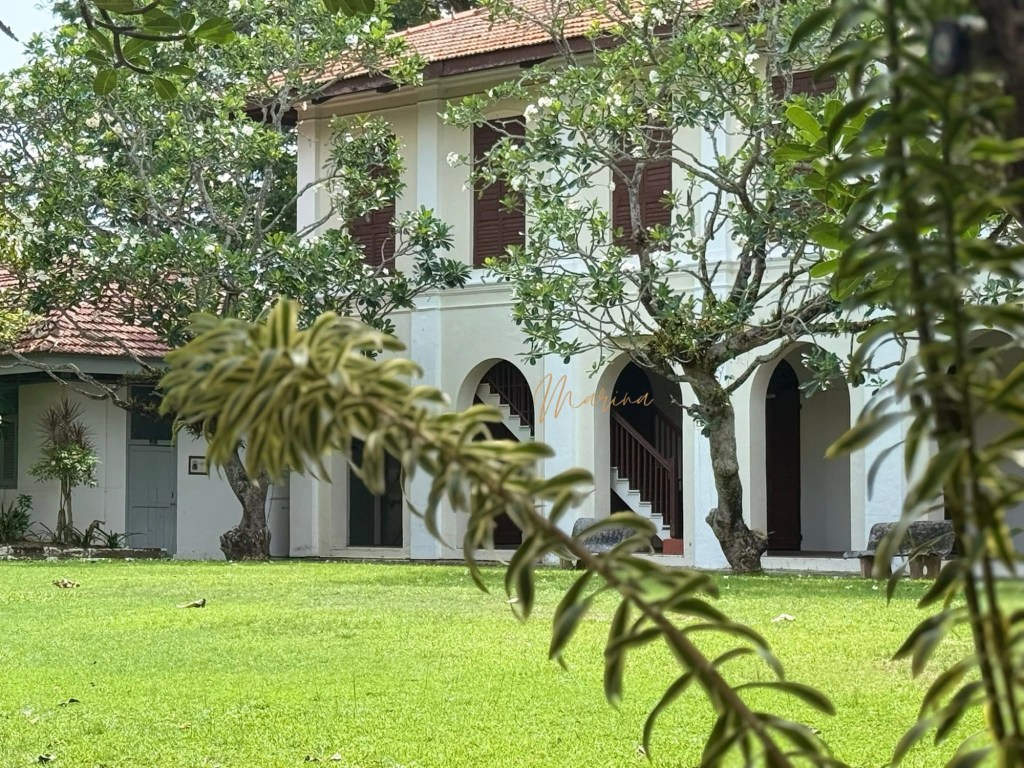
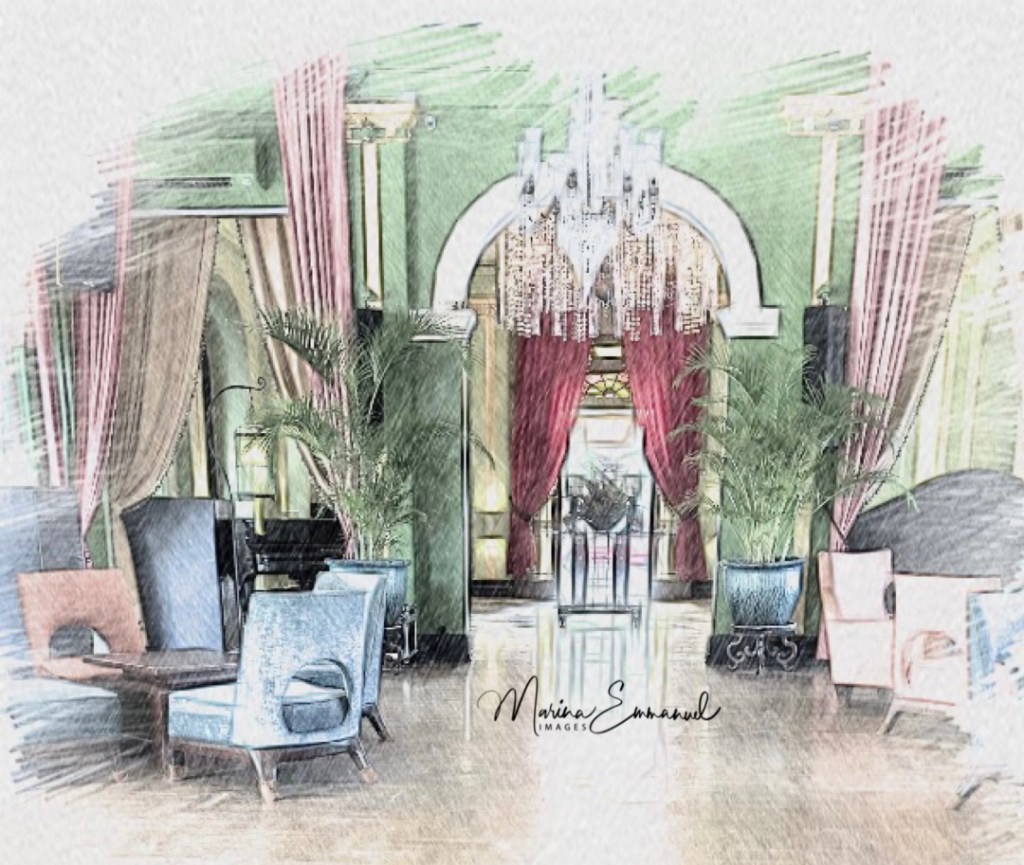
Nestled along Jalan Sultan Ahmad Shah on the north coast of George Town, 32 Mansion is set in a breathtaking 1920s Italianate villa right by the sea, just steps from the legendary Eastern & Oriental Hotel.

Sitting on a sprawling 43,000 square feet of prime heritage land, the mansion exudes a colonial-era ambiance and offers breathtaking vistas stretching across to the mainland. It has long been Penang’s most iconic dining address — and now, it’s adding a spectacular new chapter to its story.

Introducing: Breakfast by the Sea

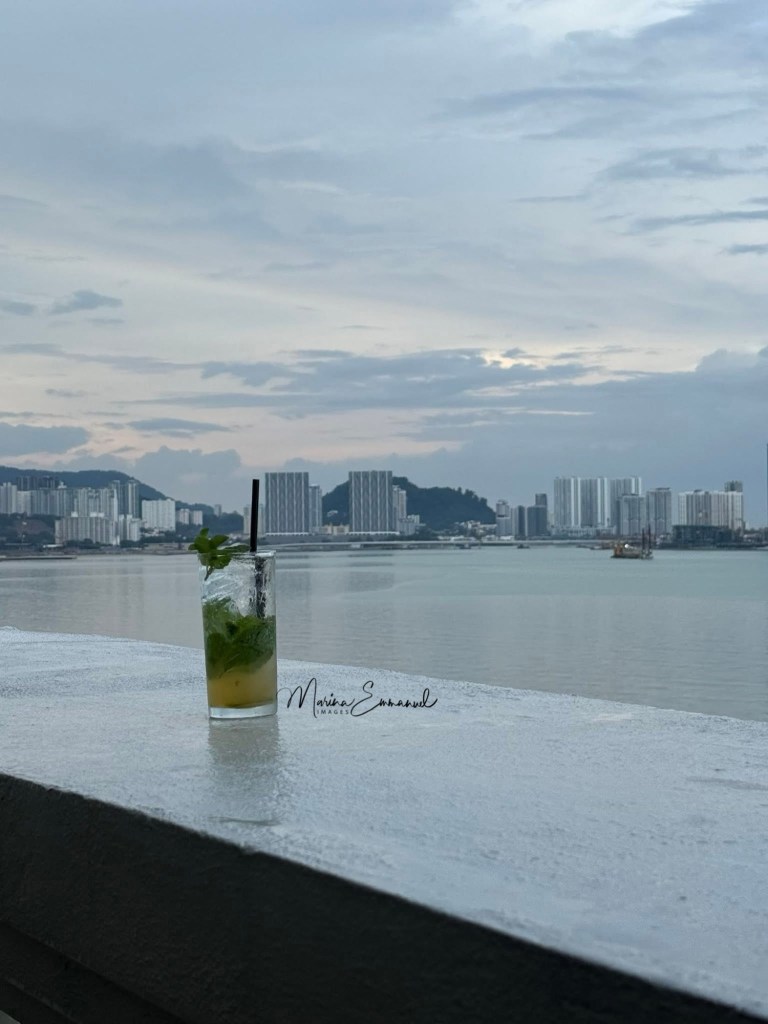
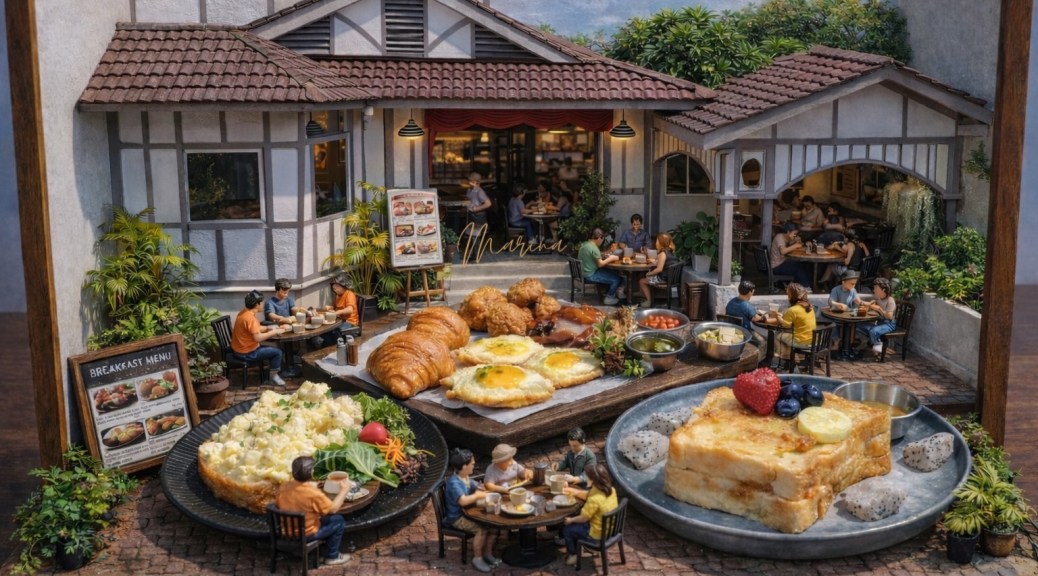
Imagine starting your day with the morning light shimmering off the water, a gentle sea breeze rolling in, and a menu that honours both heritage flavours and fresh coastal inspiration. That’s the promise of Breakfast by the Sea — 32 Mansion’s newest offering, served at their legendary Beach Blanket Babylon beachfront wing.

The beachfront BBB offers a unique breakfast experience in all of Penang. Whether you’re a visitor waking up in George Town or a local looking for a weekend treat, this is the morning ritual you didn’t know you needed.

Since December 2025, 32 Mansion has returned to its Peranakan (Nyonya) roots after 25 years, showcasing a rich array of heritage dishes featuring authentic flavours, traditional techniques, and well-loved family recipes.

Breakfast by the Sea weaves that same Nyonya soul into the morning hours — think fragrant, bold, and deeply satisfying, with options to suit every palate. Expect hawker-style favourites reimagined in an elegant seaside setting, alongside lighter Western bites to complement your morning coffee or teh tarik.

Why You Have to Try This

Penang is already legendary for its food culture — but breakfast with a sea view on the grounds of a 100-year-old mansion? That’s a once-in-a-lifetime kind of morning. 32 Mansion is set in a beautiful colonial space that houses a lounge, beachside bar, private dining rooms and a restaurant — and Breakfast by the Sea brings all of that grandeur to the most intimate meal of the day.

Don’t just eat breakfast. Experience it.

(Thank you Boon for the video)

https://youtube.com/shorts/63Dg3E3vn9Q?si=2F-RAzgE5r8q2yWH

Penang’s UNESCO Maritime Recognition: A Welcome Step—But Not the Whole Story

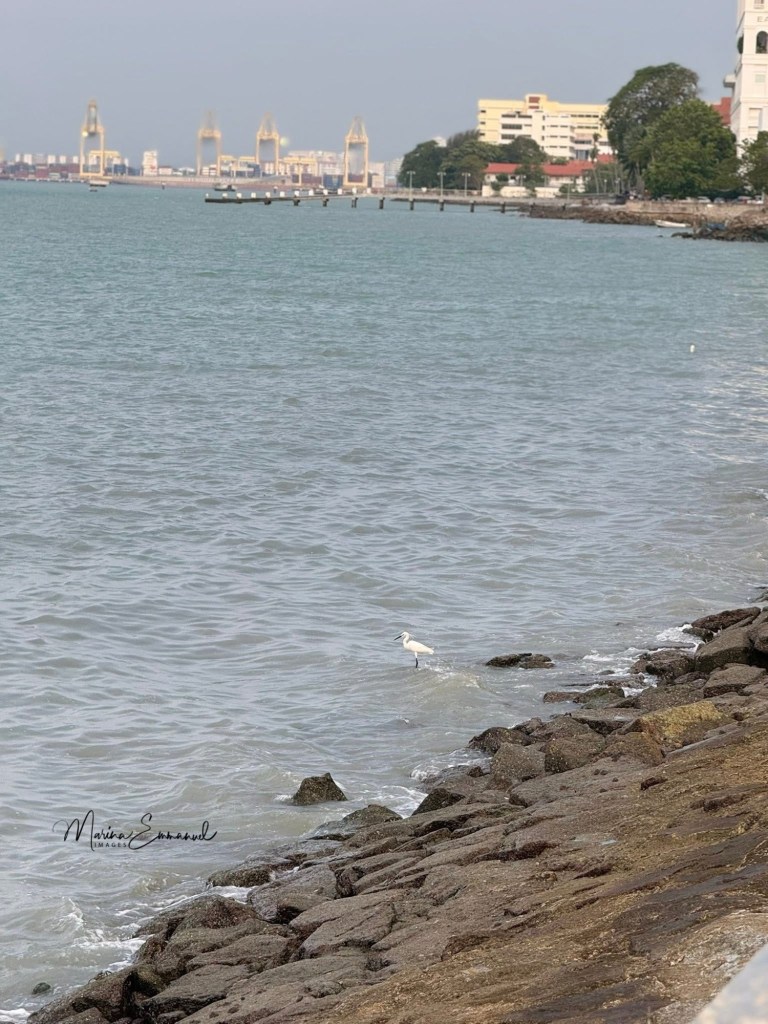
Concrete doesn’t replace coral

Penang has just been selected as Malaysia’s representative in a prestigious transnational UNESCO initiative highlighting Indian Ocean maritime heritage—a network spanning 17 countries that seeks to recognize the region’s historic role as a corridor of trade, culture, and ideas.

At first glance, this is undeniably good news.

For a place like George Town—already globally recognized for its architectural and cultural richness—this adds another layer of validation. It reinforces Penang’s long-standing identity as a maritime crossroads, where influences from the Indian subcontinent, Southeast Asia, and beyond converged over centuries.


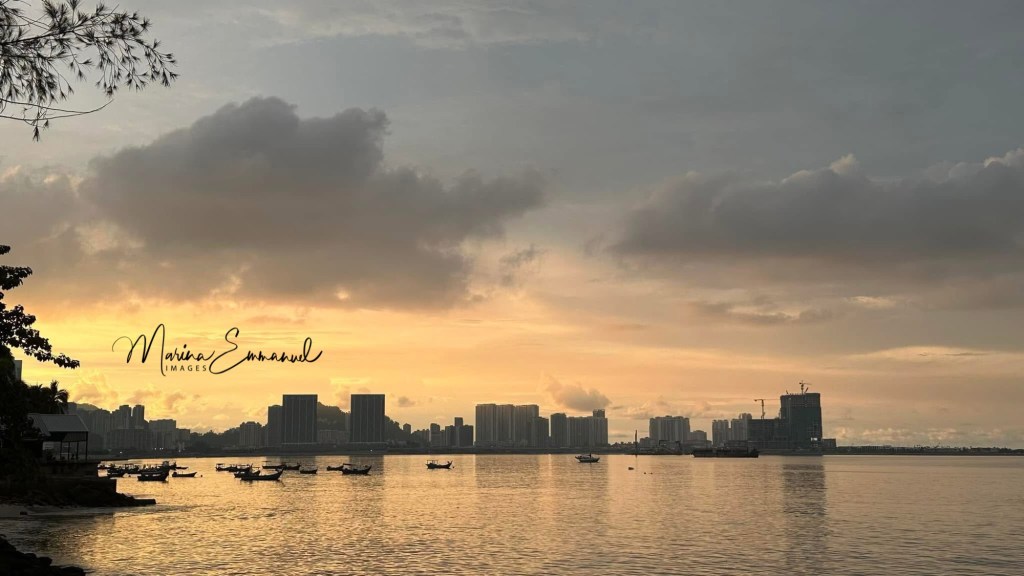
The map changes. The sea pays

The UNESCO-linked initiative reframes the Indian Ocean not as a boundary, but as a bridge—one that enabled exchange across civilizations long before modern globalization.

Penang’s inclusion is rooted in real historical substance:

  • Its strategic location along major maritime routes
  • Its role as a trading hub connecting the Coromandel Coast, Sri Lanka, and Southeast Asia
  • Its layered cultural identity shaped by migration, commerce, and empire

The state authorities have indicated that tourism and heritage stakeholders will drive this effort forward, building on the existing UNESCO World Heritage framework.

In that sense, the recognition feels earned. It aligns with Penang’s long-cultivated image as the “Emerald of the Indian Ocean”—a place where history is still visibly embedded in its streets, ports, and communities.


We redraw the coast, but erase what made it alive

But here is where the narrative becomes more complicated.

While Penang is being celebrated internationally for its maritime heritage, the present condition of its surrounding seas tells a very different story.

The waters that once enabled centuries of exchange are now increasingly defined by large-scale land reclamation projects.


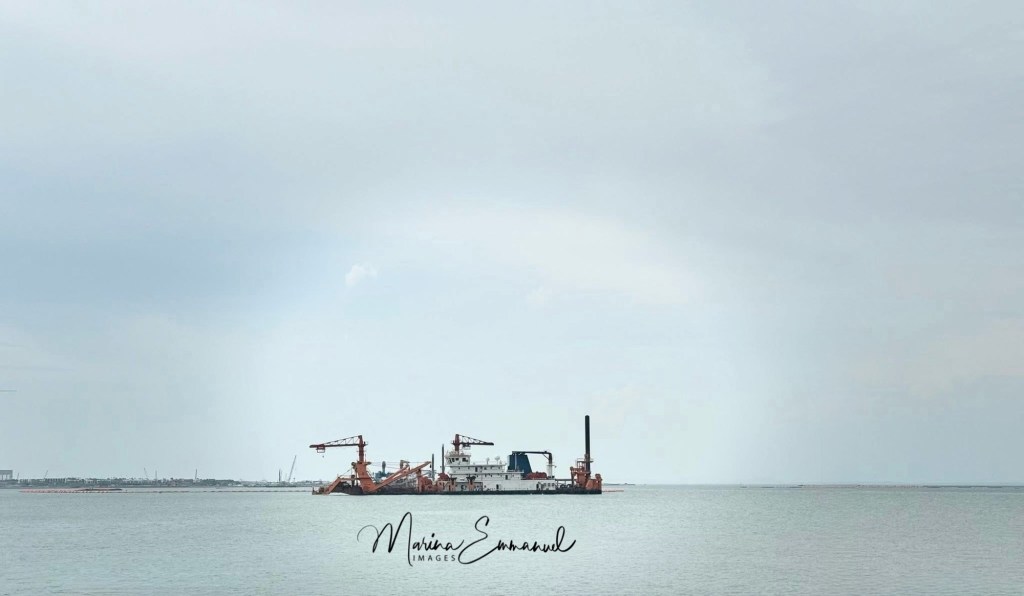
Reclaimed land, lost ecosystems

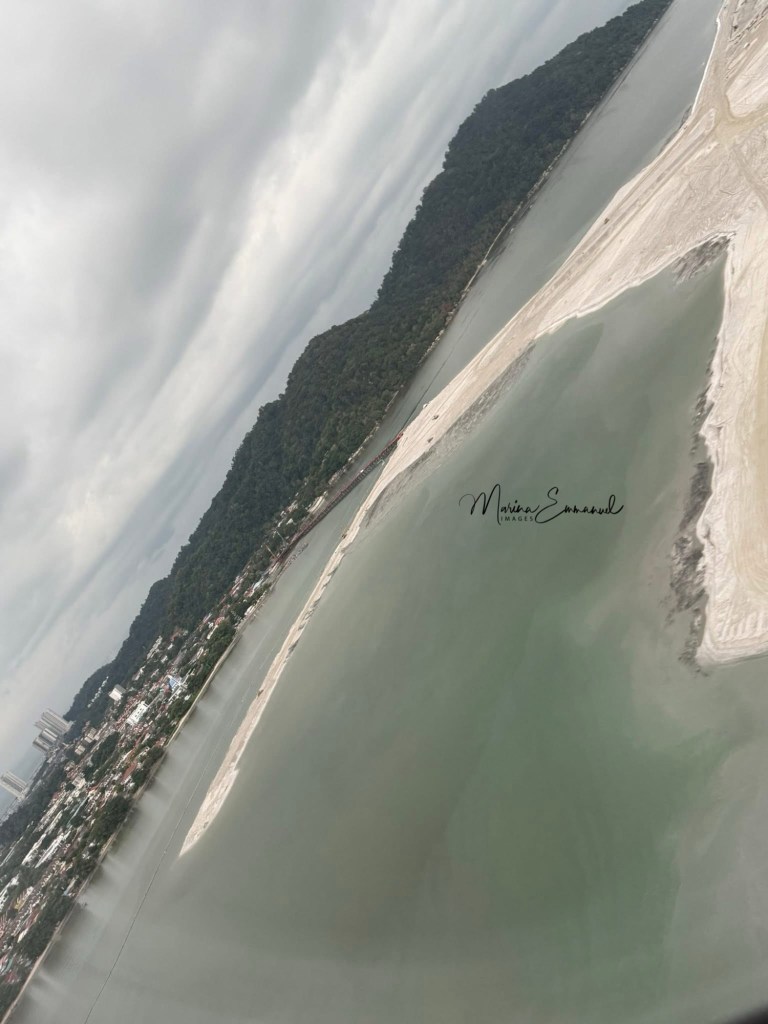
These developments are not minor or isolated—they represent a sustained transformation of the island’s coastal ecology. Reclamation reshapes shorelines, disrupts sediment flows, and damages marine ecosystems that have existed long before Penang’s rise as a trading port.

The consequences are significant:

  • Loss of marine biodiversity
  • Disruption of fisheries and coastal livelihoods
  • Alteration of tidal and sediment dynamics
  • Long-term ecological instability

In other words, while we celebrate the historical importance of the sea, we are simultaneously altering—and in many cases degrading—the very environment that made that history possible.


What looks calm from above is slowly being rewritten below

There is a deeper tension here.

UNESCO recognition tends to focus on tangible and intangible heritage—architecture, trade histories, cultural exchange. But maritime heritage is not just about ships, ports, and old trade routes. It is also about the living ocean systems that sustained those networks.

To celebrate one while neglecting the other risks turning heritage into something purely symbolic—detached from present-day realities.

If Penang is to fully embrace its role in this Indian Ocean narrative, it raises an uncomfortable but necessary question …

None of this diminishes the importance of Penang’s selection. It is a positive step.

It opens doors for:

  • Greater international collaboration
  • Expanded historical research and storytelling
  • More sustainable and culturally grounded tourism

But its real value will depend on what comes next.

If this recognition remains confined to branding and tourism promotion, it risks becoming another layer of polished narrative.


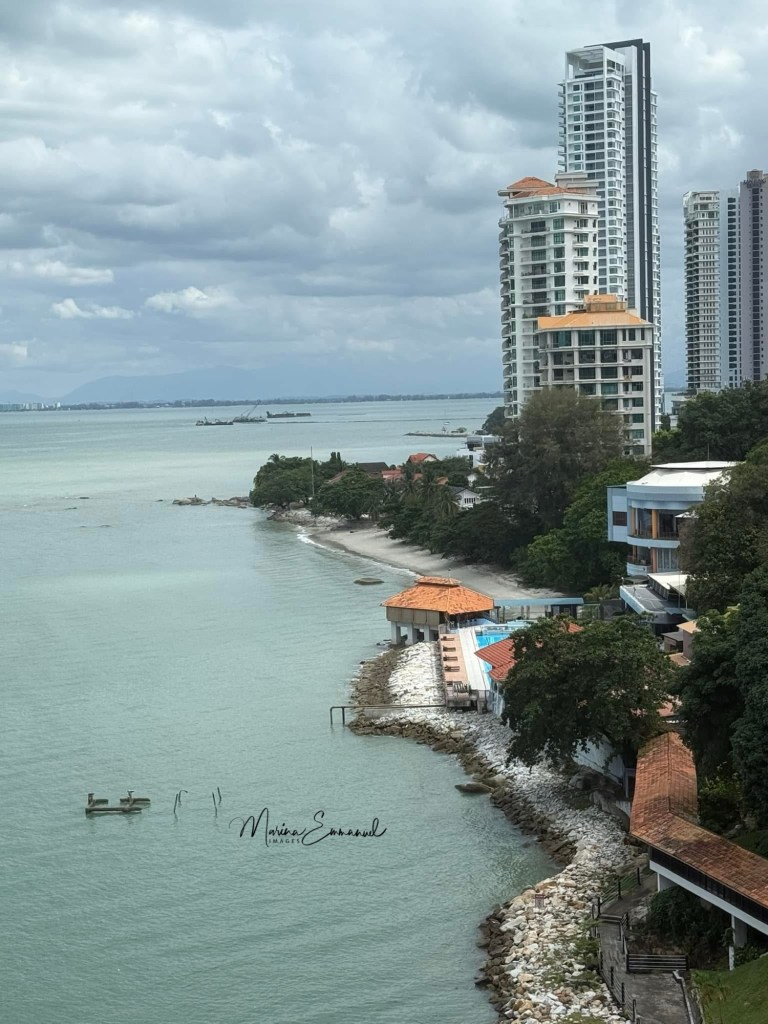
Soft blues and greens, quieter truths

If, however, it sparks a broader commitment—one that includes protecting marine ecosystems alongside preserving heritage buildings—then it could become something far more meaningful.

Penang stands at an interesting crossroads:

  • Globally recognized for its past
  • Locally challenged in its present

Bridging that gap will require aligning heritage policy with environmental reality.

Because ultimately, maritime heritage is not just about where ships once sailed—it is about the waters they sailed on.

And those waters, today, deserve as much attention as the history they carried.


Beauty, on borrowed time

Ends. 

The Last Supper Bells of Penang — When Icons Fade Into Memory

From first dates to quiet celebrations, Three Sixty wasn’t just a place — it was a feeling. And soon, it becomes a memory
(courtesy photo Yeoh Kah Hock)

There are restaurants you visit for a meal, and then there are those you grow up with — places that quietly stitch themselves into the fabric of your life.

In Penang, food is not just sustenance; it is memory, identity, and ritual.

So when news broke that three beloved establishments — Ocean Green, The Ship (Jalan Sri Bahari), and 360 Revolving Restaurant — will be closing their doors by the end of this month (April), it feels less like business news and more like the turning of a page in Penang’s living history. 

A restaurant/sky-bar with many views

For decades, Ocean Green stood quietly by the sea — not flashy, not trendy, but deeply beloved. 

Generations of Penangites marked birthdays, reunions, and weekend dinners here, often accompanied by the sound of waves and the salty breeze.

It has not been just a seafood restaurant; it’s been a ritual.

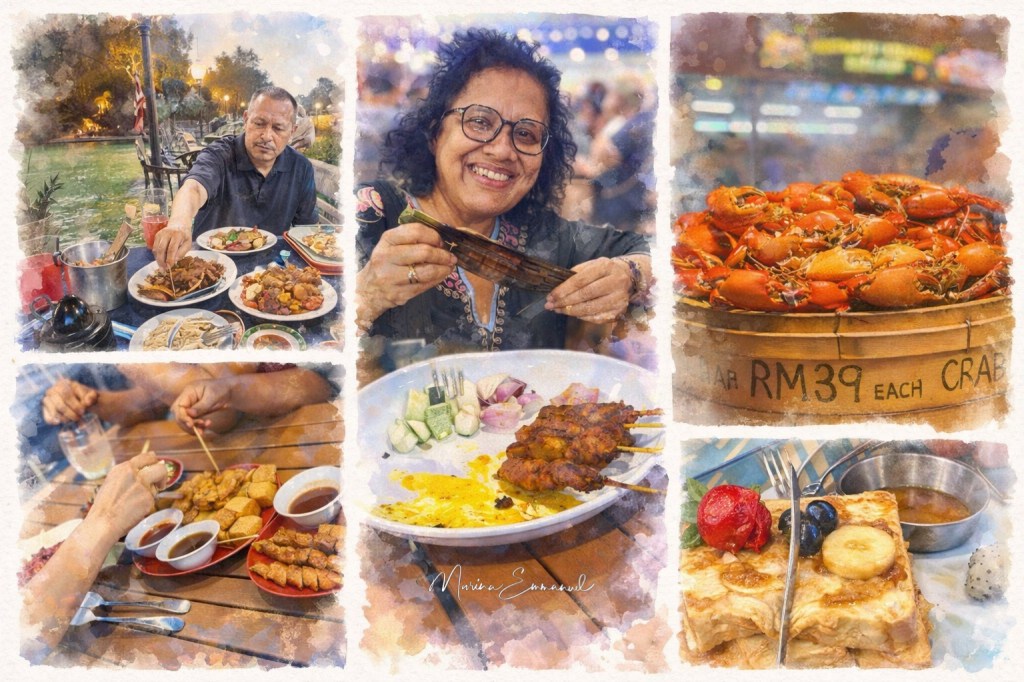
The smoky aroma of satay, the comforting familiarity of steamed fish and ‘Choon Pneah’ (spring rolls), and the communal joy of sharing dishes under open skies have made Ocean Green a place where time seemed to slow down.

It represents a Penang that was unhurried — where meals stretched into conversations and laughter echoed into the night.

Now, as it prepares to close at the end of April 2026, many are mourning more than just a dining spot. They are saying goodbye to a place where childhoods were celebrated and family traditions quietly formed.

Ocean Green has stood out not because it reinvented dining, but because it never needed to. It has remained steadfast — a constant in a rapidly changing culinary landscape.

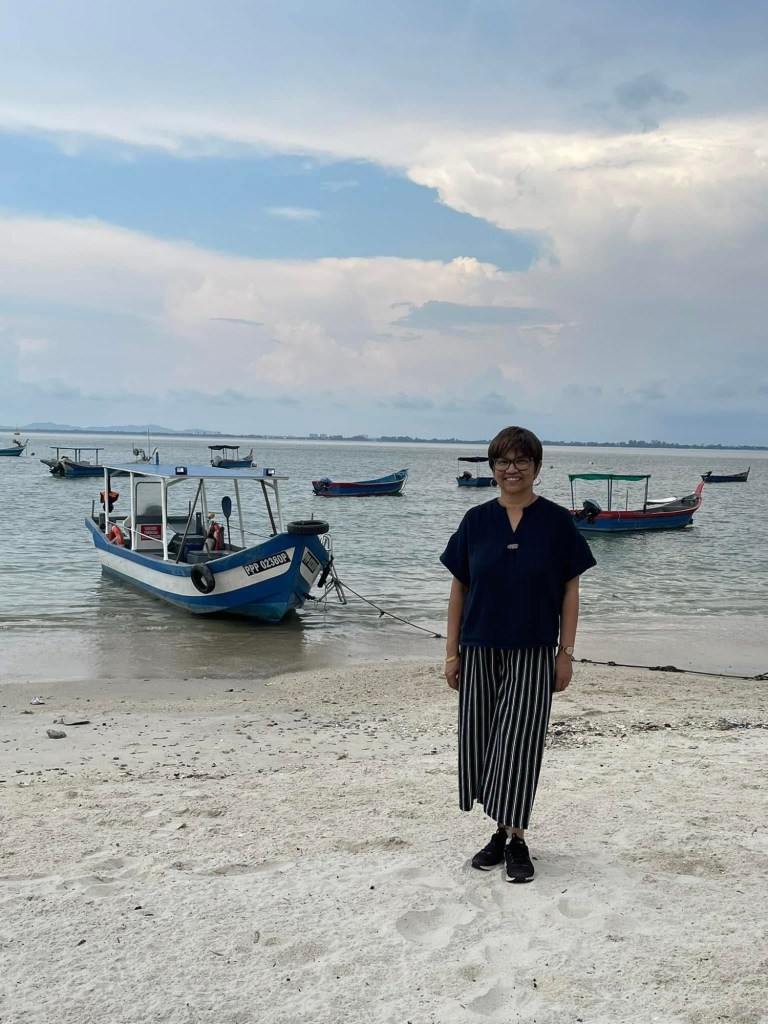
The late and fun-loving journalist Fauziah Varusay who had relocated to Australia, visited the beach fronting Ocean Green on her final trip to Penang

If Ocean Green was about the sea breeze, The Ship along Jalan Sri Bahari was about imagination grounded in the heart of George Town.

While many remember the Batu Ferringhi outlet, the Sri Bahari branch has carried its own quiet legacy — one rooted in decades of loyal patrons and timeless Western classics. 

Walking in felt like stepping into a different era: dark wood interiors, maritime motifs, and the unmistakable sizzle of hot plates arriving at your table.

For many Penangites, this was where Western dining became accessible and memorable — where steaks, garlic bread, and mushroom soup defined special occasions. 

It was where first dates happened, where families celebrated milestones, and where a sense of occasion was built into every visit.

More than just a themed restaurant, The Ship has represented a chapter in Penang’s evolution — when dining out meant dressing up, slowing down, and savouring the experience.

Its impending closure marks the fading of a time when restaurants told stories not just through food, but through atmosphere and ritual.

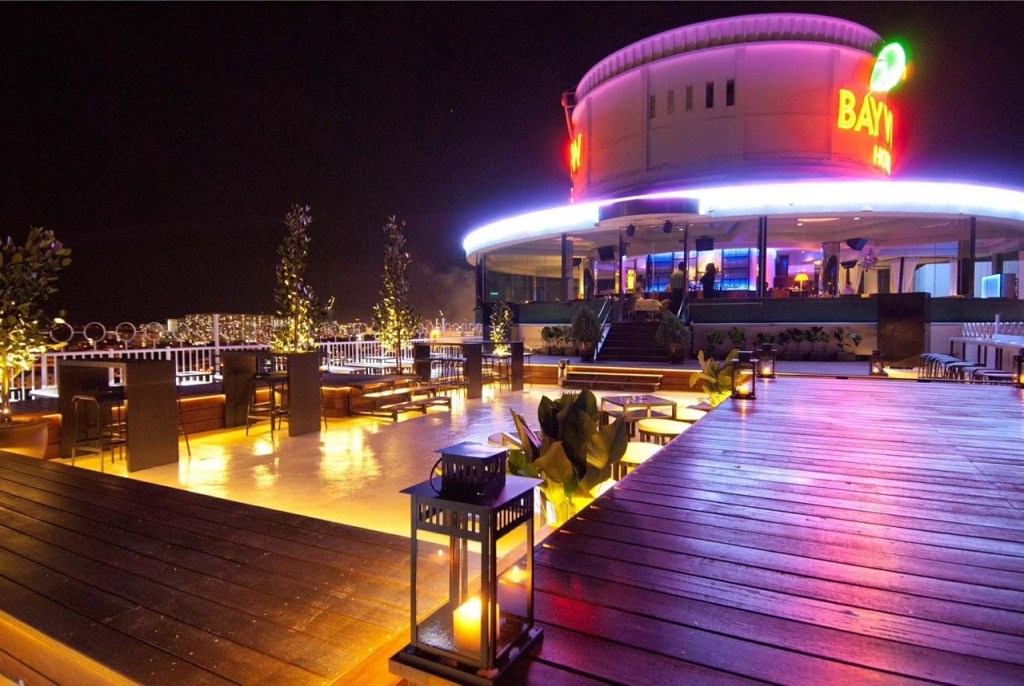
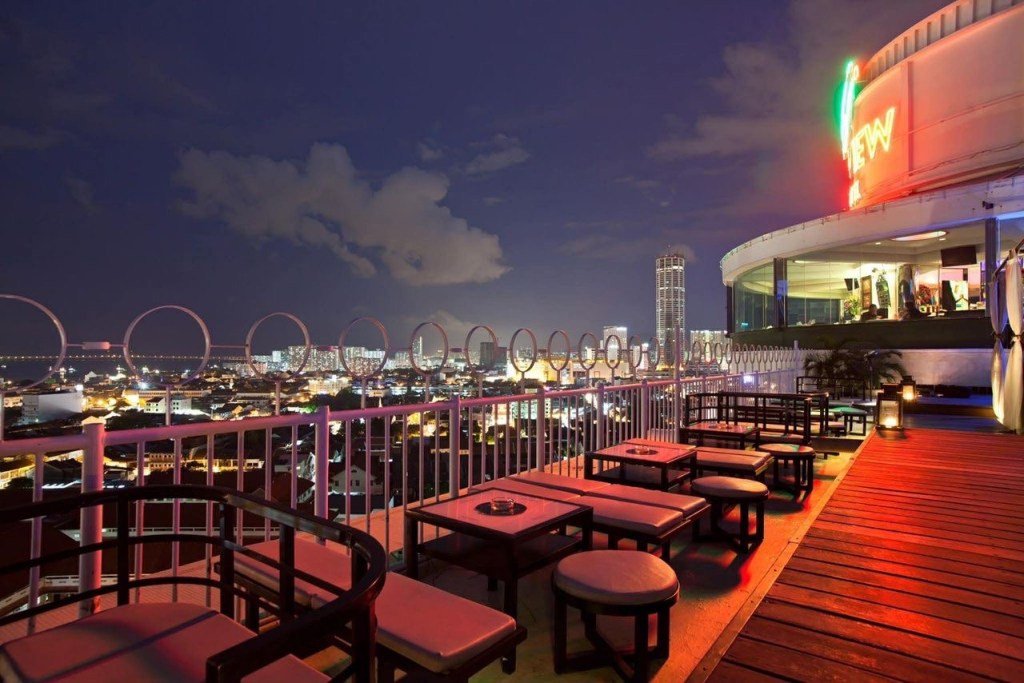
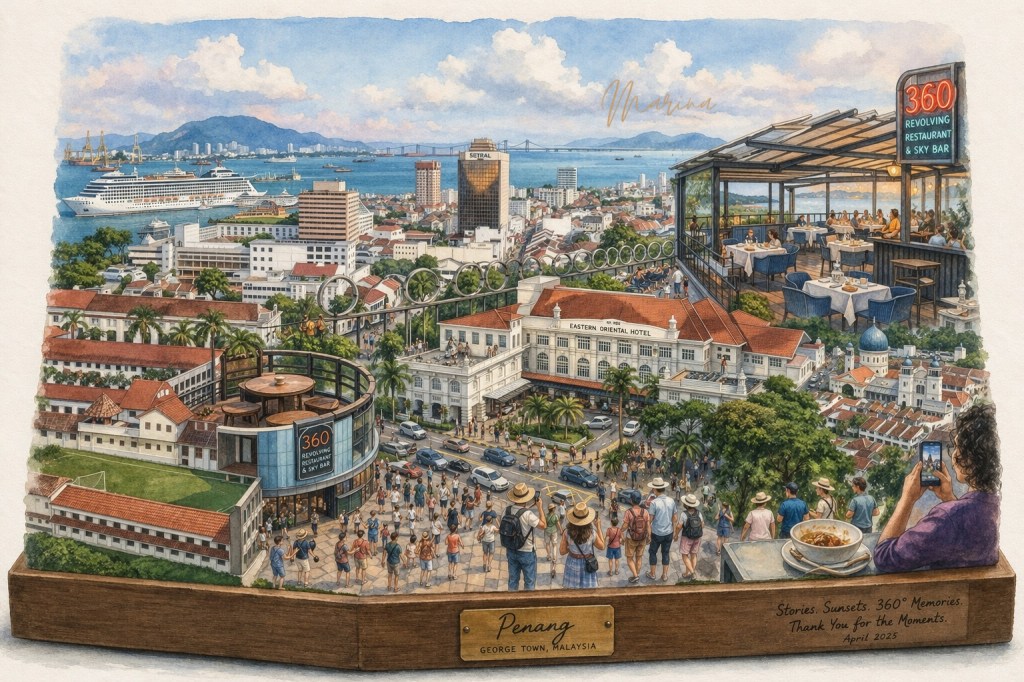
High above the city, 360 Revolving Restaurant at the top of City Bayview Hotel (now called Bayview Hotel Georgetown) has offered something few places could: perspective.

It wasn’t just about the buffet or the ambiance — it was about watching Penang move. Slowly rotating, the restaurant gave diners a panoramic view of George Town and beyond, transforming meals into moments of quiet reflection.

It became a symbol of a more modern Penang — one that embraced skyline views, elevated dining, and a touch of sophistication.


They came for the food, but stayed for the view … and are leaving with memories
(courtesy image Yeoh Kah Hock)

From romantic dinners to celebratory nights, the experience of watching the city shift beneath you made every visit feel cinematic. It was where proposals happened, anniversaries were toasted, and visitors saw Penang from an entirely different angle.

Now, as it prepares for its “final spin,” one of the island’s most recognisable dining experiences will soon become a memory.

What makes these closures so poignant is not just their longevity, but what they represent collectively:

• Ocean Green — the soul of seaside, communal dining

• The Ship (Jalan Sri Bahari) — the nostalgia of classic Western dining in the city

• 360 Revolving Restaurant (City Bayview Hotel) — the modern, elevated view of Penang

Together, they tell the story of an island through food — from humble coastal feasts to nostalgic dining rooms and sky-high experiences.

Penang’s food scene will continue to thrive — it always does.

New cafés will emerge, new trends will take hold. But places like these cannot be replaced, because they were never just about food.

They were about time.

And as April draws to a close, Penang isn’t just losing three restaurants.

It is quietly saying goodbye to three chapters of itself.

Ends.

The (food) stories that Penang tells
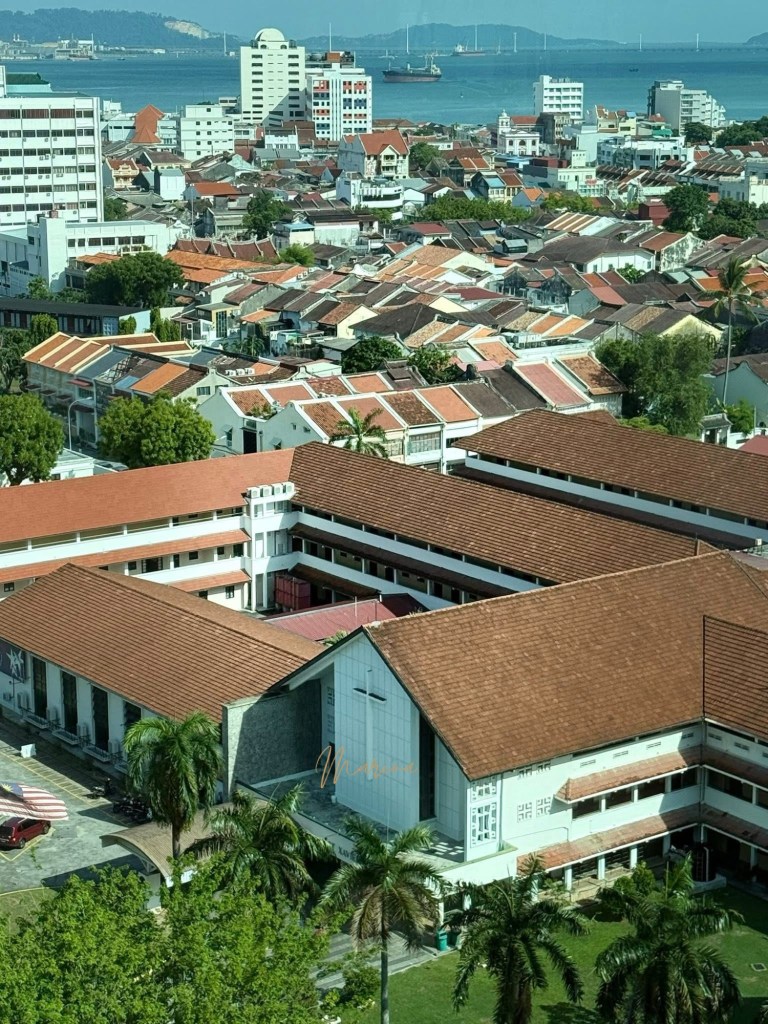
Precious memories and views of Penang from 360 Revolving Restaurant and Sky Bar

Protecting Penang’s Coastal Heritage: Residents Rise Against Reclamation and Development

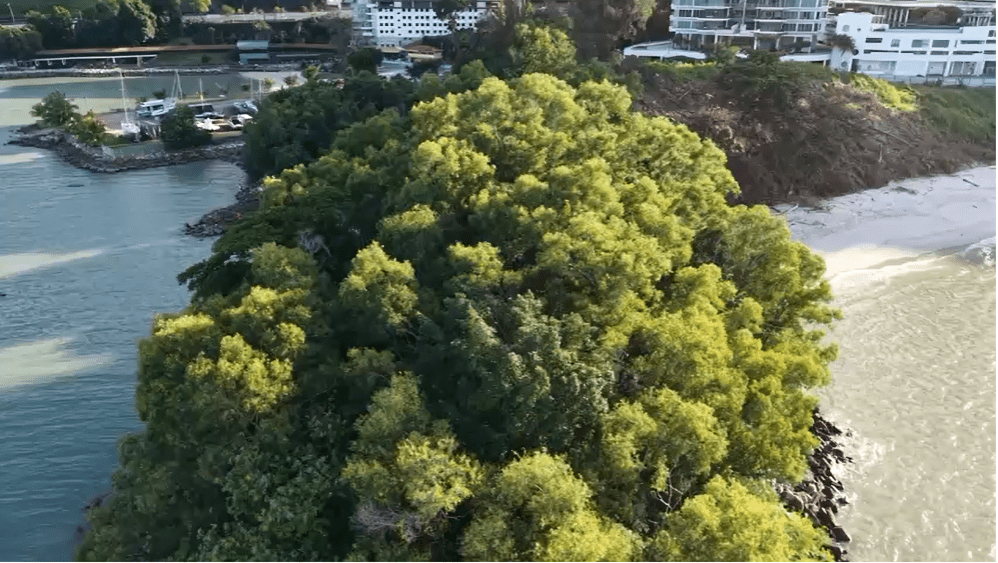
A courtesy drone shot of the “Sore Thumb”

Penang Island’s coastline, once celebrated for its pristine beaches, lively marine ecosystems, and breathtaking sea views, is undergoing rapid transformation. Reclamation projects continue to reshape the shoreline, driven by urban development ambitions and economic pursuits. While these projects promise progress, they also come at a cost — the loss of natural beauty, displacement of marine life, and a diminished sense of place for residents who cherish these coastal spaces.

One of the most visible symbols of this change is the ongoing reclamation along Gurney Drive. Once a vibrant seaside esplanade lined with local activity, it has gradually been overshadowed by towering constructions and expansive landfills. Over time, many of the sea birds that once called the area home have disappeared, their absence a stark reminder of the ecological toll these developments exact. The natural harmony that made Gurney Drive a beloved spot is now increasingly compromised as construction continues to rear its head on what was once a serene waterfront.

Most recently, residents of One Tanjung in Tanjung Bungah have voiced their concerns over a proposed development on a land parcel famously known as the “Sore Thumb.” This piece of land, perched precariously along the coast, offers panoramic views and a habitat for local birdlife. The planned development threatens not only to obscure these scenic vistas but also to displace the marine and avian species that have called this space home. The community’s protests highlight a growing awareness: development should not come at the expense of our environment and the livelihoods of those who depend on it.

Adding complexity to Penang’s reclamation story is the ambitious project dubbed ‘Silicon Island,’ a massive reclamation effort aimed at transforming parts of the coastline into a hub for technology and innovation. While such projects aim to elevate Penang’s status as a global tech center, they also raise pressing questions about ecological sustainability and community rights. The loss of natural coastal habitats, the disruption of marine ecosystems, and the visual impact on the island’s scenic beauty are concerns many residents and environmentalists have raised.

This ongoing narrative prompts a critical question: will more Penang residents stand up to protect their island’s coastline, or will they allow others to fight these battles alone? The future of Penang’s coastal environment depends on collective action and awareness. As history shows with Gurney Drive and now with the “Sore Thumb,” unchecked reclamation and development can erode the natural and cultural fabric of the island. It is vital that residents, activists, and policymakers work together to find sustainable solutions that balance growth with conservation.

The coastlines of Penang are more than just scenic backdrops; they are vital ecological corridors, cultural landmarks, and sources of livelihood. Preserving them requires vigilance, advocacy, and a willingness to challenge developments that threaten their integrity. As Penang continues to evolve, let us remember that safeguarding our coastal heritage is not just about protecting views — it’s about protecting the soul of the island for generations to come.

https://youtu.be/GdsxsmzXe1U?si=7jLjxsFBA4rc4Opl

Discovering the Timeless Elegance of George Town’s Grande Dame

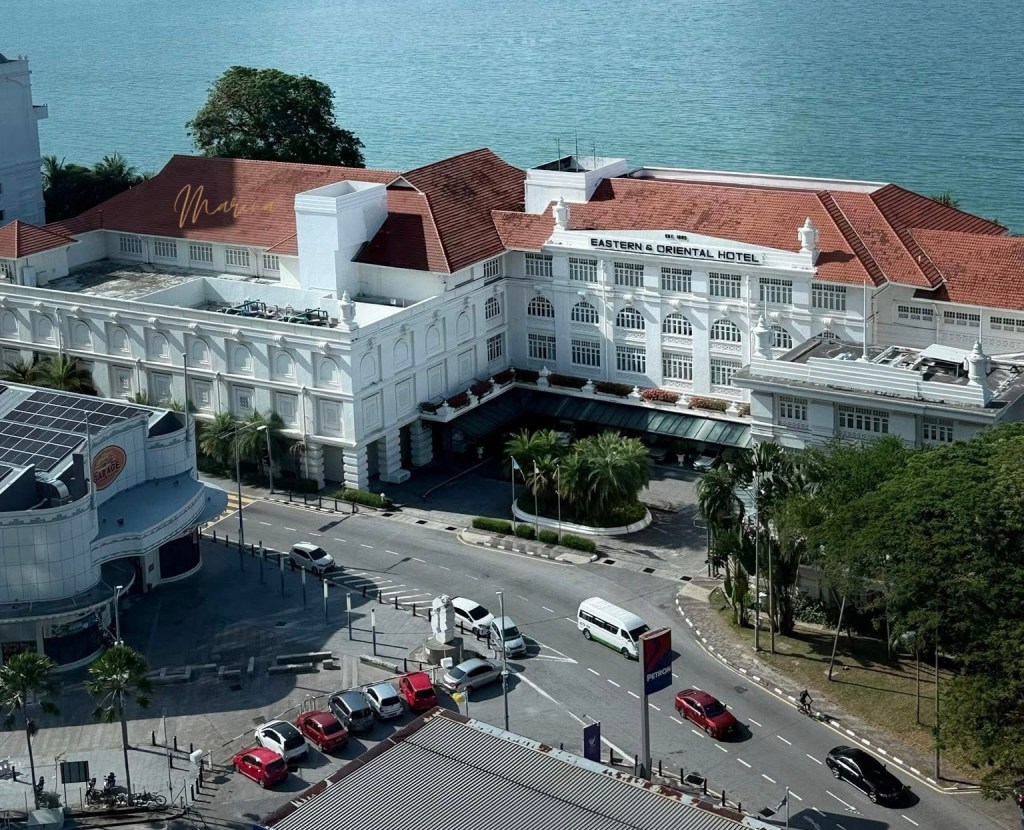
Nestled along the picturesque coastline of Penang, the Eastern and Oriental Hotel (E&O) is a treasure trove of history and charm. As you wander through its hallowed halls, you’ll uncover a wealth of unique features that pay homage to Penang & Malaysia’s rich heritage.

A courtesy map in every room is a good reference and here are some highlights:

The E & O Map

E & O Gallery

One of the highlights of your visit should undoubtedly be the E & O Gallery, where the exquisite handsewn wedding dress of Patsy Addington is proudly displayed. This stunning piece is not just a garment; it’s a testament to love and craftsmanship that resonates with the stories held within the hotel’s walls.

Waygood-Otis Lift

Step into the historic Waygood-Otis lift, a marvel of engineering from the 1920s. This charming lift whisks you between floors while evoking a sense of nostalgia, reminding you of the elegance of a bygone era.

19th Century Cannon

Don’t miss the iconic 19th-century cannon that stands sentinel, pointing out towards the Andaman Sea. This relic of the past serves as a reminder of the hotel’s storied history and the strategic importance of Penang in maritime trade.

Echo Dome

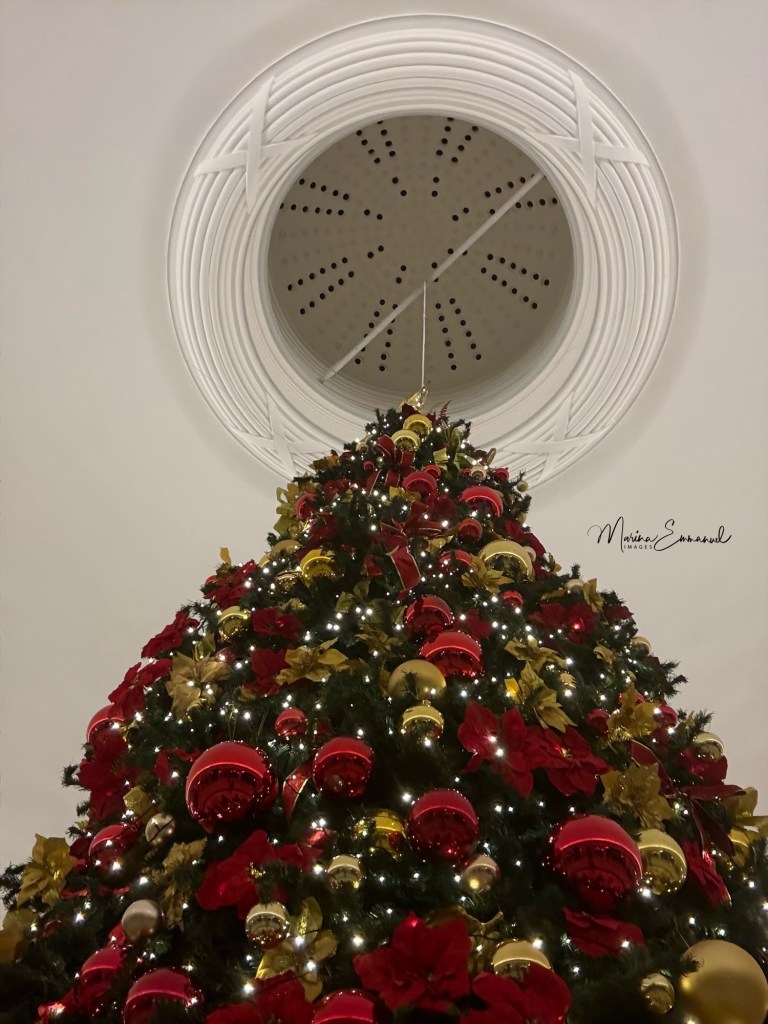
Finally, immerse yourself in the enchanting acoustics of the Echo Dome, an architectural wonder that virtually broadcasts sound throughout the lobby. Gather with friends and family, (especially during this 🎄holiday season 🎄) and  experience the beautiful interplay of sound and space that defines this unique feature.

The hotel’s iconic Echo Dome

At the E & O Hotel, every corner whispers tales of grandeur and history, inviting you to create your own memories in this timeless setting. Whether you’re enjoying a leisurely afternoon tea or exploring this heritage hotel’s rich past, your stay promises to be an unforgettable experience. 

Still flying high …

The meals may have been way below their past award-winning and ‘atas’ levels, and much has already been said about it in past weeks.

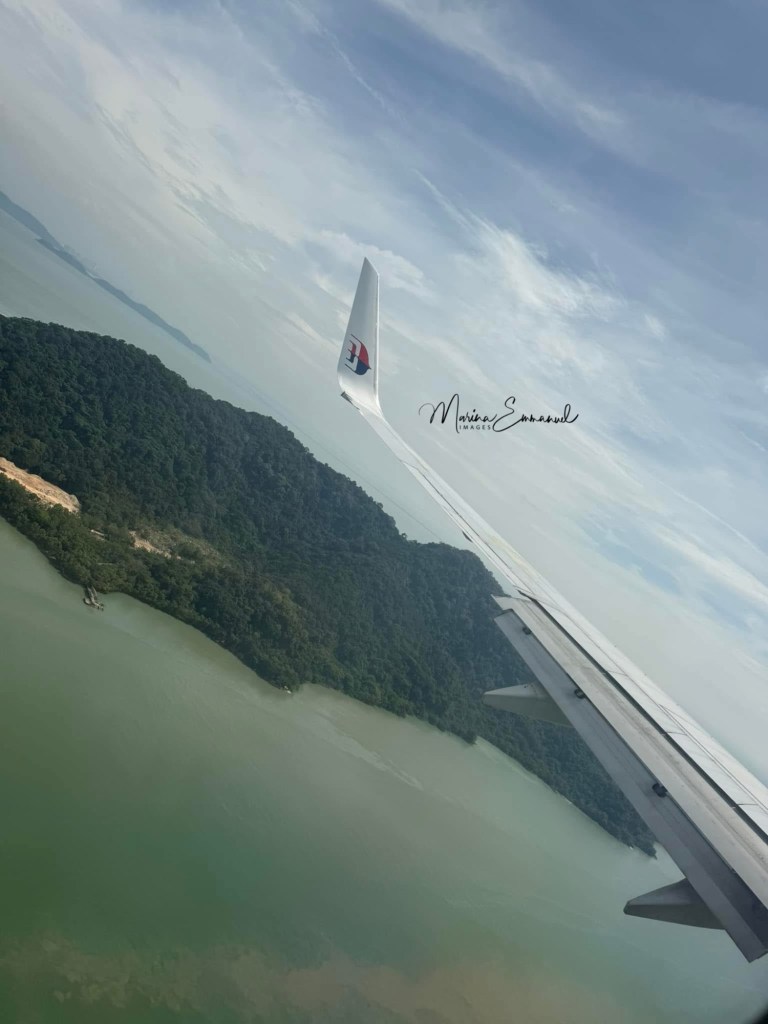
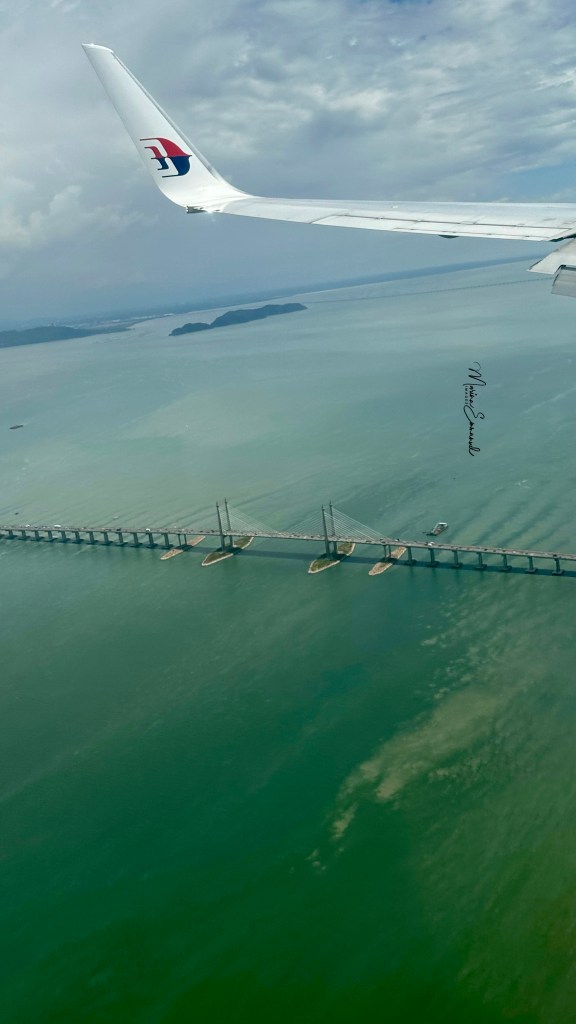
While the airline sorts out its catering dramas, let’s continue to focus and support our national flag carrier – Malaysia Airlines – for its outstanding crew, new planes and all things that remain amazing about Malaysian Hospitality (MH).

Thank you MH1148 for bringing us home safely and on-time today. If there were any food issues to a destination like Penang (which we did not experience), most residents were more focussed on the nasi kandar and char kuay teow awaiting them on this isle of foodies.

Nailing a good sugee cake

It is not a place one associates with great sugee (semolina) cake, but this is Penang, and you just never know what lies behind a door, the side of a backlane or even a monsoon drain here!

In this case, it’s a grand mansion by-the-sea, known simply as 32 Mansion. I always admire businesses with simple names coined from their addresses or postcodes. (the street address being 32 Jalan Sultan Ahmad Shah).

A visit to this 1920s sea-fronting Italian villa, is a history lesson in itself …

(Extracted from the business operator’s website)

BUILT FOR LEONG YIN KEAN, THE SON OF TIN MAGNATE LEONG FEE, WHO HAD FALLEN IN LOVE WITH ITALY WHILST A STUDENT AT CAMBRIDGE, THIS ELEGANT ITALIANATE VILLA ON GEORGE TOWN’S NORTH BEACH LOOKS OUT OVER GARDENS ONTO THE SEA.
IT WAS DESIGNED BY CHARLES MILLER (OF STARK & MCNEILL) AND IS LOCATED ON “MILLIONAIRE’S ROW” (NORTHAM ROAD BUT NOW RENAMED JALAN SULTAN AHMAD SHAH).

THE MANSION WAS BUILT IN 1926 AND MODELED AFTER THE OPULENT VILLAS IN LONDON’S REGENT’S PARK. SADLY, LIKE MANY OF PENANG’S MANSIONS, IT FELL INTO A STATE OF DISREPAIR AND HAD BEEN USED AS A MOTOR-BIKE CENTRE CALLED BIKER’S PARADISE AND HAD AS MANY AS 30 TENANTS LIVING IN PARTITIONED BLOCKS ALONG ITS ONCE ELEGANT ROOMS.


RESTORED TO ITS FORMER GLORY IN 2000 BY ESCOY HOLDINGS IT IS A MODEL OF HERITAGE CONSERVATION BY ADAPTIVE RE-USE AND IT NOW HOUSES THIRTY-TWO AT THE MANSION AND BEACH BLANKET BABYLON.

Back to their sugee cake … it can be found on Beach Blanket Babylon, or BBB’s dessert menu or pre-ordered as a fresh and buttery takeaway (it’s advisable to order the full-sized sugee cake at least 3 days ahead).

While BBB is better known for its crab laksa, the humble sugee cake has received equal praise from those who appreciate this baked goodness, for which many Eurasian, Peranakan, Chinese and Indian aunties (and uncles) guard the recipes fiercely.

Step into the home so cosily and welcoming created by Kah Hock, for either a slice of his sugee cake or the rest of the great spread offered.

Walk away with not only a satisfied meal, but endless shots of this great home and (it’s grounds) for your countless Instagram and other social media posts!