An Afternoon in Timeless Green

I had heard so much about Seri Kaya before my visit, but nothing quite prepared me for how it would actually feel to be there.

Seri Kaya … grace in every detail

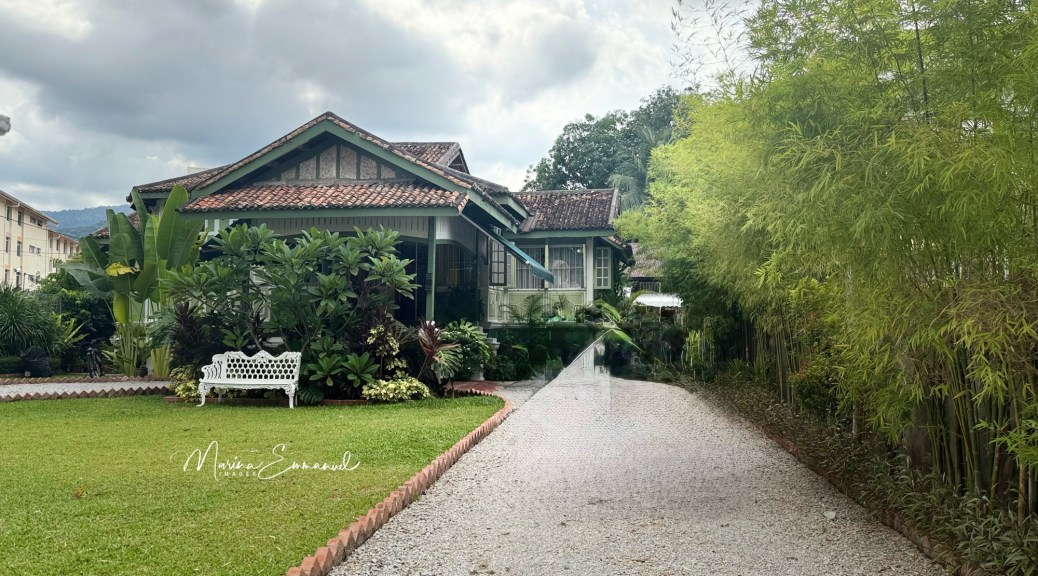
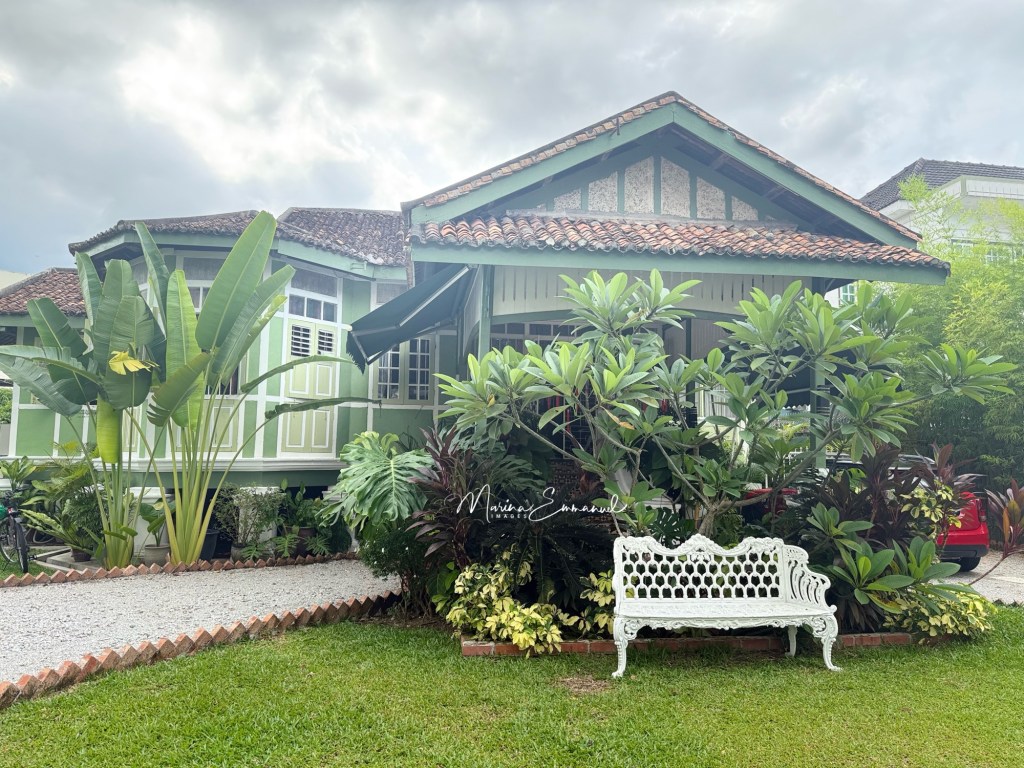
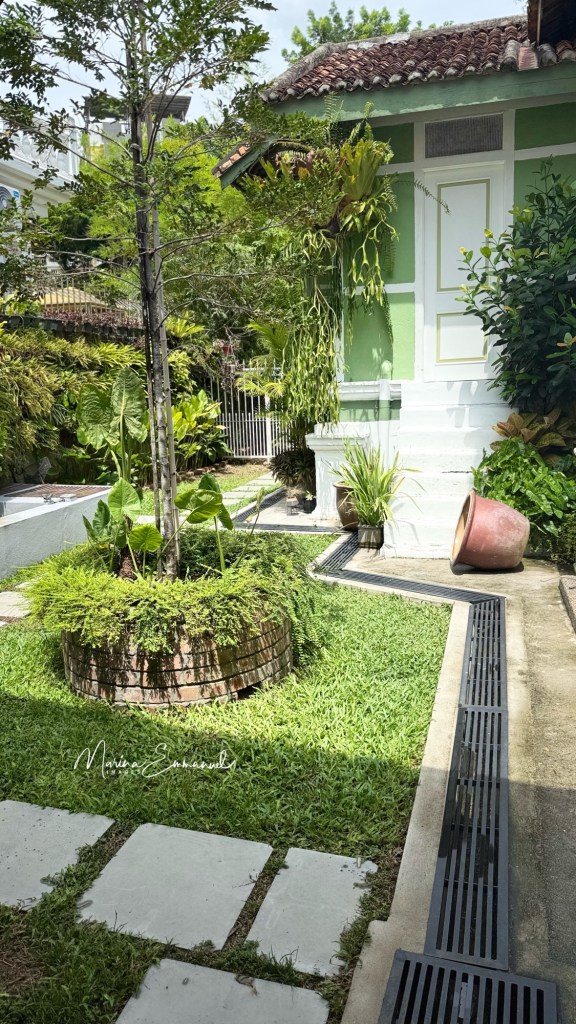
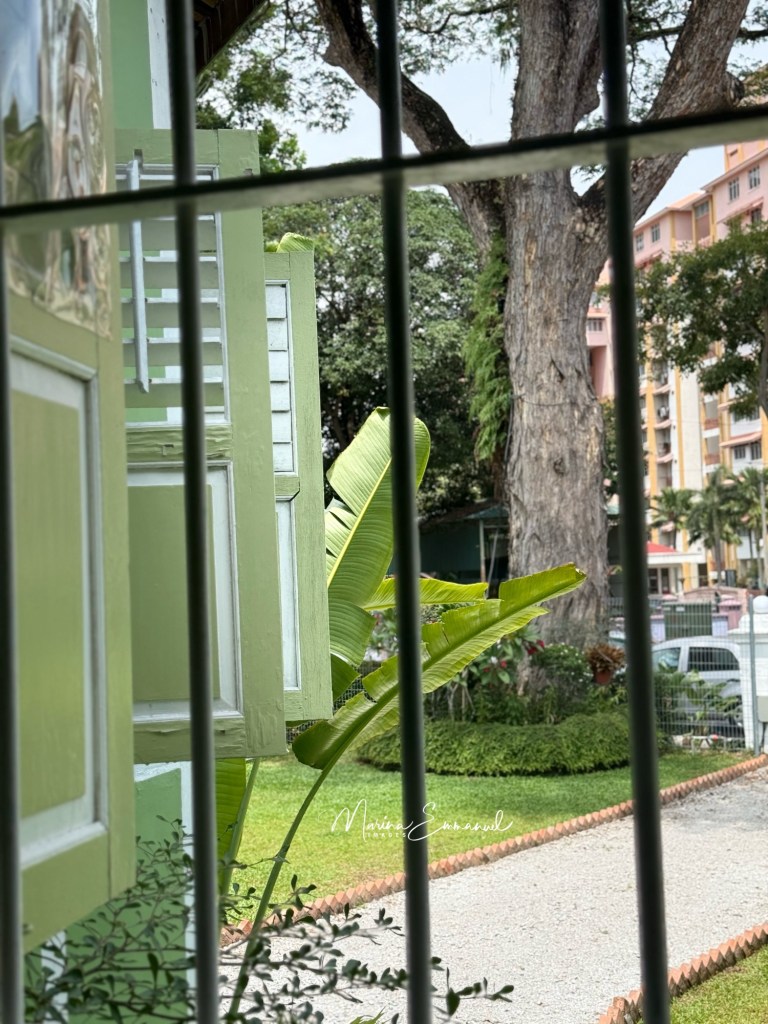
Tucked quietly within George Town, the house revealed itself not with grandeur, but with a kind of gentle confidence. The moment we arrived, that signature soft green exterior struck me—not loud, not showy, but deeply calming, as though the house had long ago made peace with its surroundings. It felt both rooted and welcoming, a rare balance.

Green touches at Seri Kaya

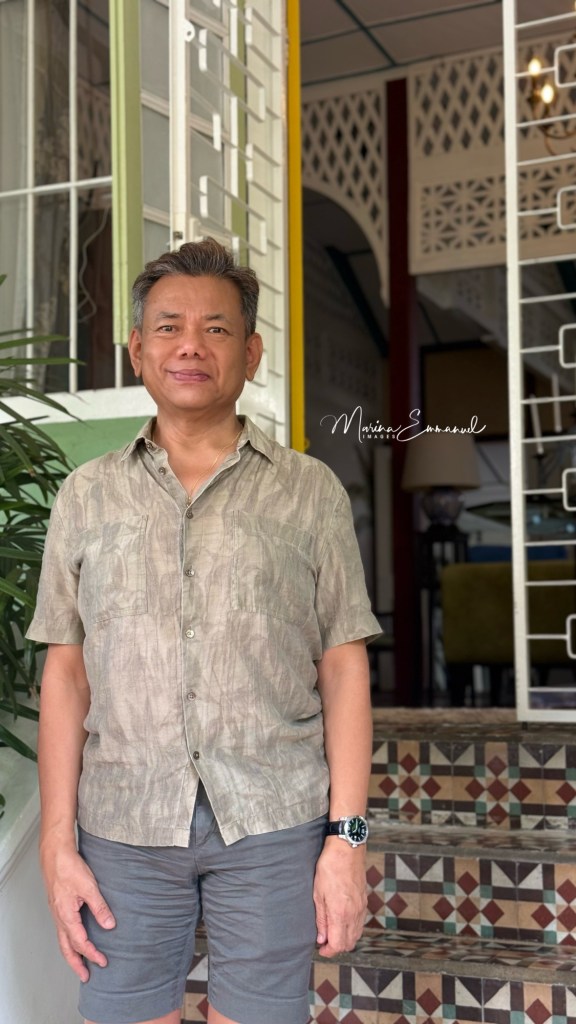
What stayed with me most throughout the visit was the unmistakable presence of its owner, Kah Hock—not physically in every room, but in every decision.

Kah Hock brings past & present to Seri Kaya

This was clearly not just a restoration project. It was a deeply personal act of care. Every beam, every panel, every preserved detail felt intentional, as though the house had been listened to rather than redesigned.

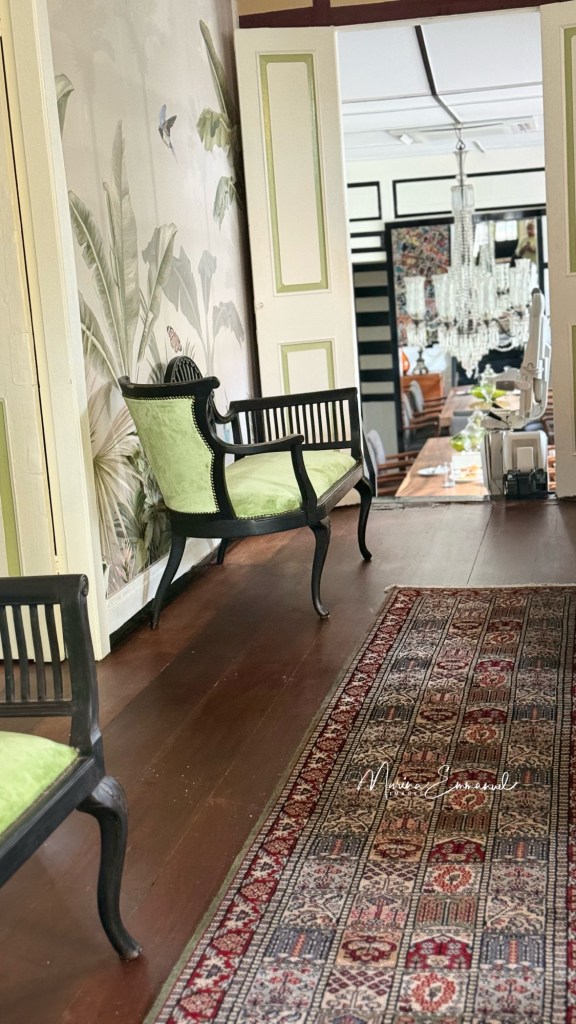
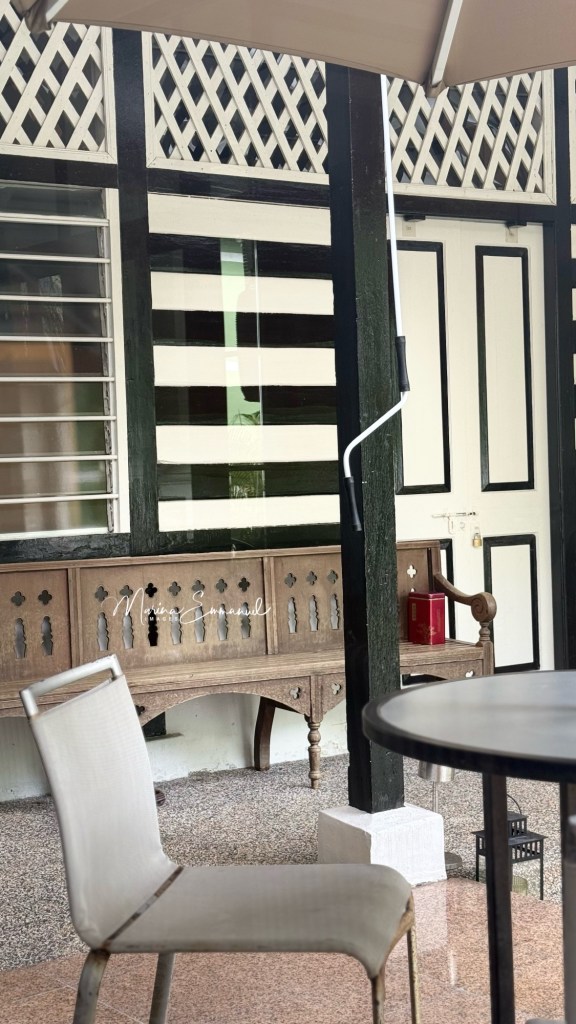
Walking inside, the spaces unfolded beautifully. The high ceilings with their intricate latticework allowed light to drift in softly, creating a warmth that never felt staged. The Anglo-Malay architecture held its elegance effortlessly—timber textures, airy proportions, and that wonderful sense of openness that older homes do so well.

Seri Kaya is a house with a soul

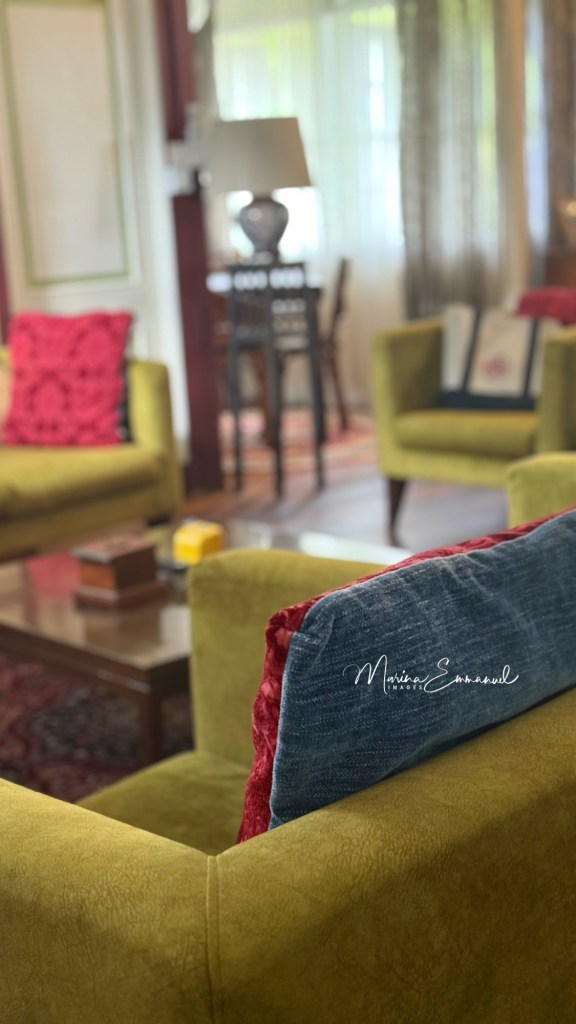
And then there were the interiors—layered, expressive, yet remarkably composed. Chartreuse armchairs sat confidently against rich wooden floors, while lovely Oriental rugs grounded the rooms with quiet opulence.

Inside Kah Hock’s Living Legacy

Teal lines traced the ceilings, guiding the eye upward, and everywhere there were thoughtful touches of colour—turmeric yellows, deep reds, botanical prints alive with birds and foliage. Nothing felt excessive. It all simply belonged.

Where heritage breathes

What I admired most was how much of the home’s original soul had been preserved. The carvings, the structure, even the subtle imperfections—all remained intact, giving the house its authenticity. Kah Hock had not tried to impose something new, but instead allowed the home to evolve into itself.

I was fortunate to experience all of this alongside Sista MaryEd, his beloved daughter who made the visit feel less like a tour and more like being gently let into a story. 

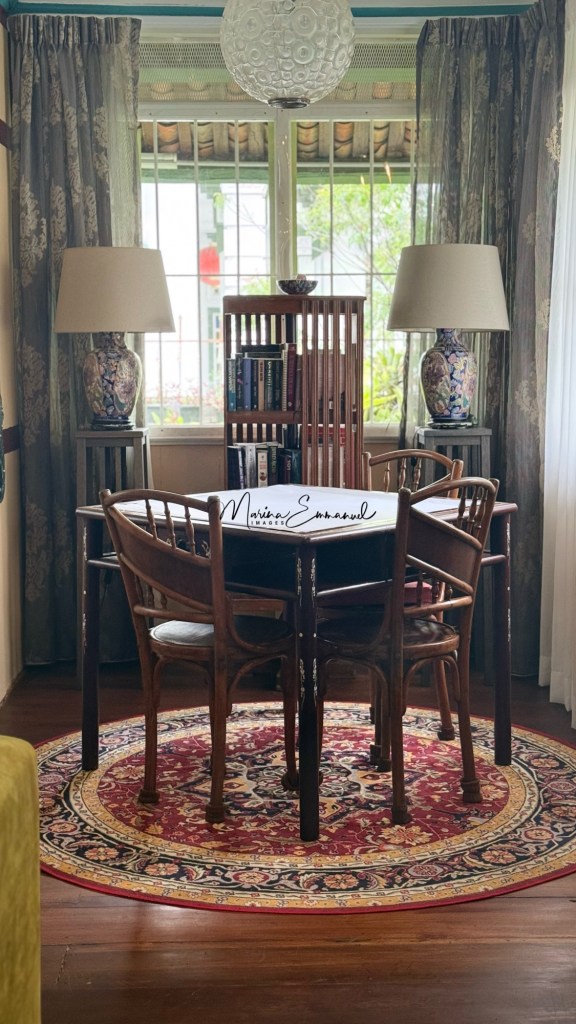
Mahjong, anyone?

Kah Hock shared insights and little personal details that brought everything to life—the kind of nuances you would never notice on your own.

By the time we sat down for tea, the house had already worked its quiet magic on me. The spread was simple but thoughtful, and perfectly in tune with the spirit of the home—warm, unpretentious, and generous.

Unpretentious corners carved out at Seri Kaya

We lingered longer than expected, talking easily, the kind of conversation that only happens in spaces that put you at ease.

What struck me most, as I eventually left Seri Kaya, was not just how beautiful it was—but how it made me feel. There was a gentleness to the entire experience, a sense of being held in a place where history and modern life coexisted without tension.

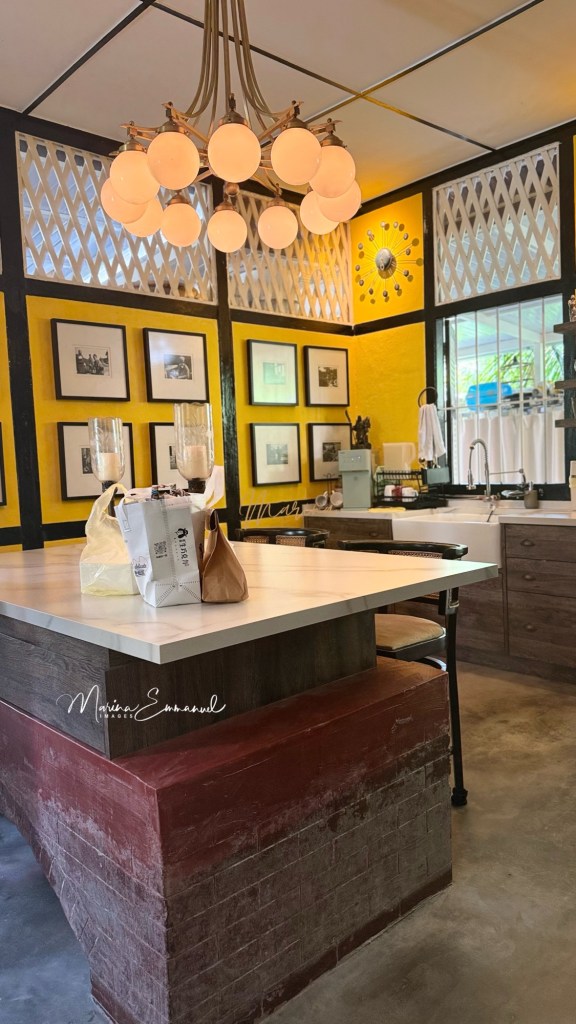
Soul of the house … its old school pre-war spacious kitchen gets an upgrade

Seri Kaya wasn’t just a house I had visited. It was a home I had been welcomed into—and one that looks set to stay with me long after I had walked out the door.

Ends. 

Our Lady of the Jubilee: Faith in Malaysian Culture


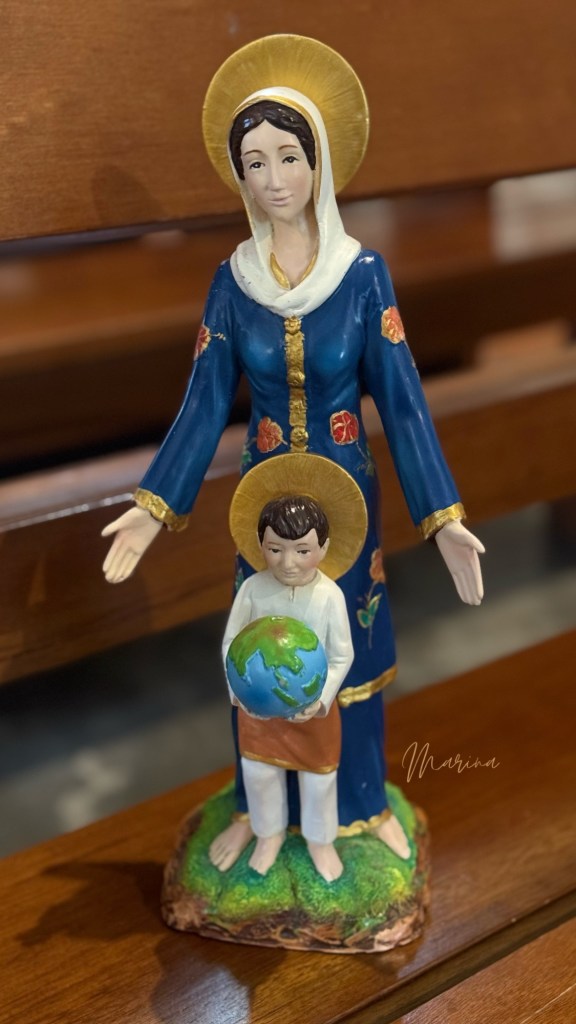
Our Lady of the Jubilee presents the Child Jesus to the world, inviting us to follow her words: “Do whatever He tells you.”
Clothed in Malaysian tradition, Mary and the Child Jesus reveal a faith that is both universal and deeply rooted in local culture

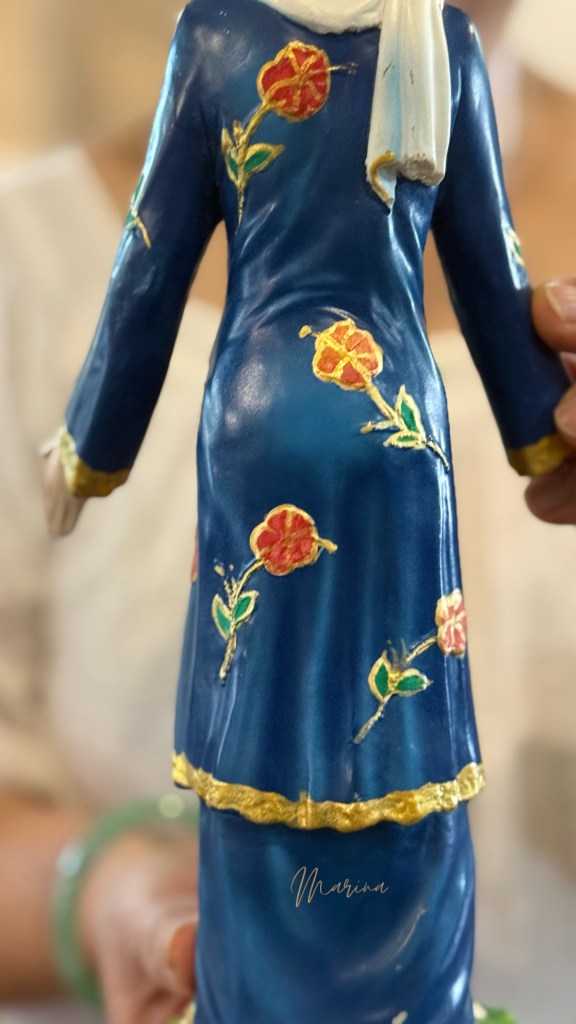
The statue of Our Lady of the Jubilee, designed by Rev Father Michael Cheah, beautifully reflects the harmony between Catholic faith and Malaysian culture. Commissioned for the Jubilee Year of 2000 in the Penang Diocese and first launched in 1999, this meaningful image continues to inspire the faithful today.

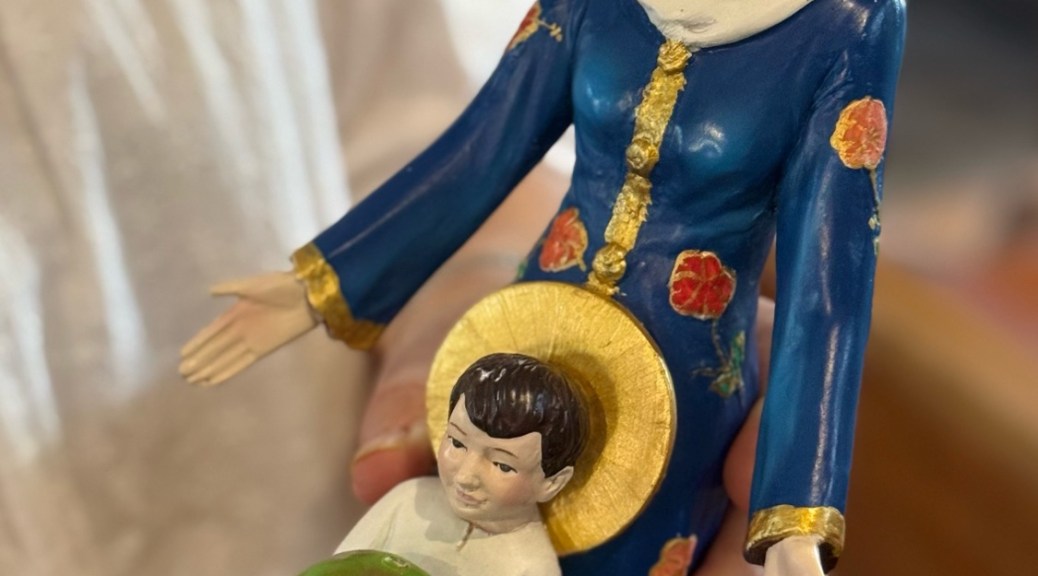
The Blessed Virgin Mary is depicted in a Baju Kebaya now widely recognised in Malaysia for its cultural and heritage significance, while the Child Jesus stands before her in a Baju Melayu. Together, they express how the local Church lives out its identity as truly Malaysian.

Mary is shown presenting Jesus to the world, echoing her call: “Do whatever He tells you” (John 2:5). Her kebaya is adorned with ten hibiscus flowers, symbolising the Ten Commandments and our call to love God and neighbour. The three kerongsang (broches) represent the Holy Trinity, while her white shawl signifies purity.

The Child Jesus holds a globe with a cross, reminding us that He is Lord over all and brings salvation through His sacrifice. His white attire represents holiness, and his sampin reflects faithfulness to the Father.

This meaningful image invites us to recognise Christ within our own culture and to live our faith with love, unity, and devotion.


The kebaya of Our Lady, adorned with hibiscus flowers—the national flower of Malaysia—symbolises our call to live the Ten Commandments in love and faith

Footnote:
The kebaya was inscribed on the UNESCO Representative List of the Intangible Cultural Heritage of Humanity on 4 December 2024, through a joint nomination by Brunei, Indonesia, Malaysia, Singapore, and Thailand. Celebrated for its intricate embroidery and deep cultural significance across Southeast Asia, it is recognised as a shared heritage of the region rather than belonging to a single nation.

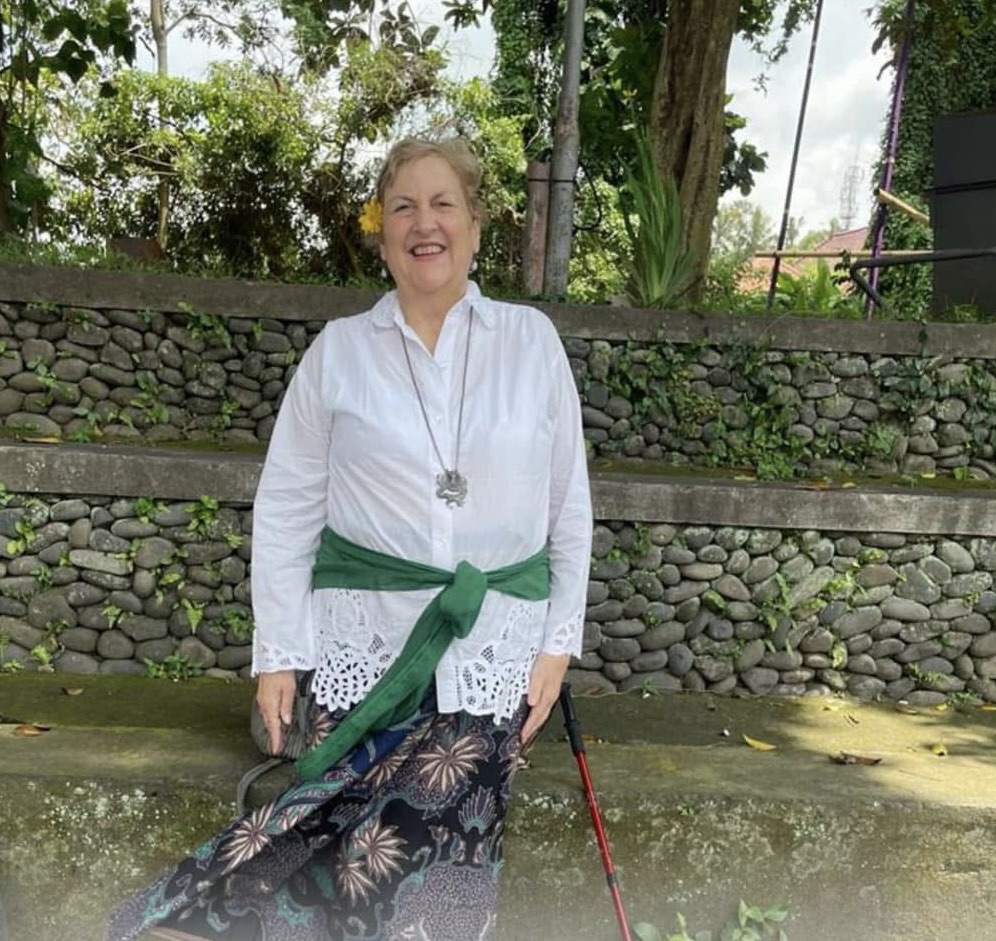
Pictured here is the late Kim Jane Sanders who made several Asian countries (including Malaysia) her home, and was fond of the Kebaya, Baju Kurong and other regional attire. She was a subject matter expert on textiles.

Penang’s UNESCO Maritime Recognition: A Welcome Step—But Not the Whole Story

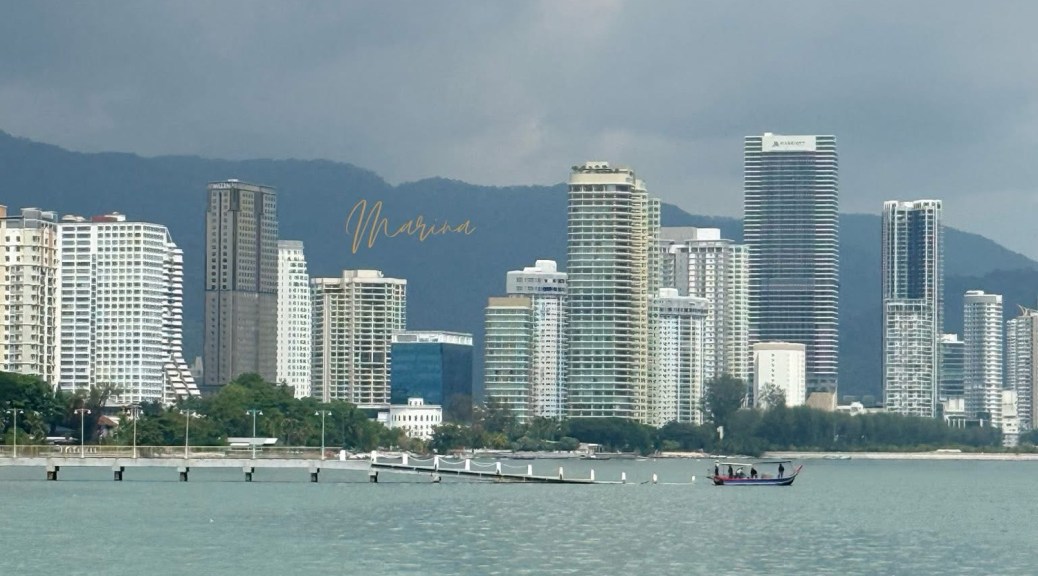
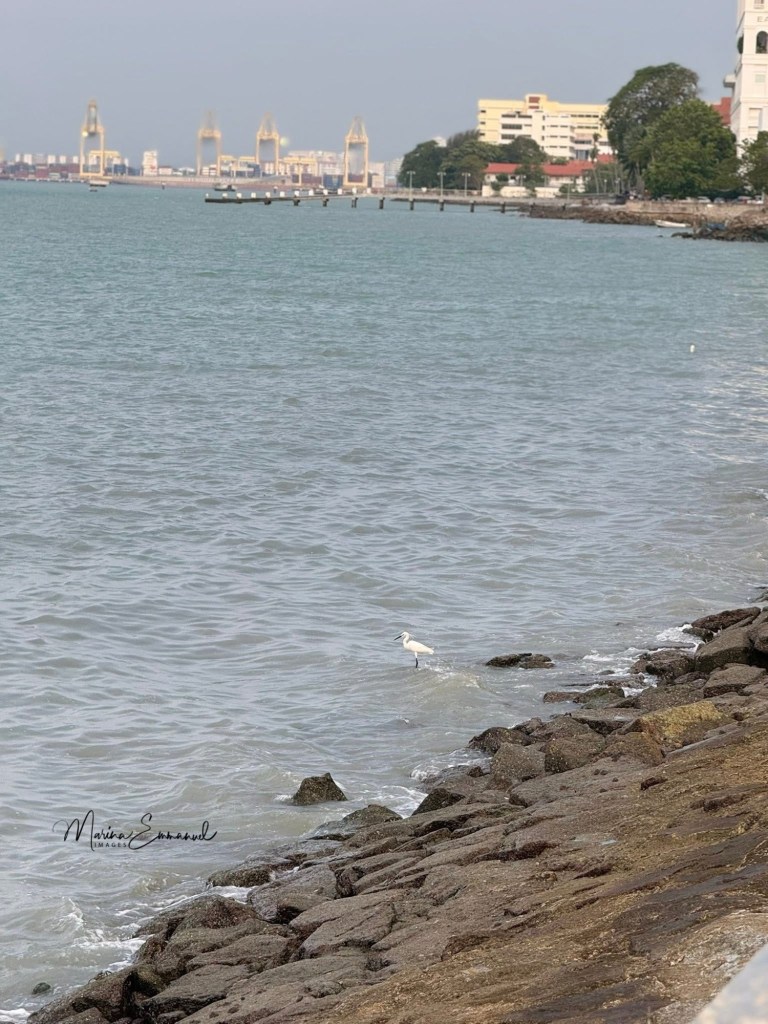
Concrete doesn’t replace coral

Penang has just been selected as Malaysia’s representative in a prestigious transnational UNESCO initiative highlighting Indian Ocean maritime heritage—a network spanning 17 countries that seeks to recognize the region’s historic role as a corridor of trade, culture, and ideas.

At first glance, this is undeniably good news.

For a place like George Town—already globally recognized for its architectural and cultural richness—this adds another layer of validation. It reinforces Penang’s long-standing identity as a maritime crossroads, where influences from the Indian subcontinent, Southeast Asia, and beyond converged over centuries.


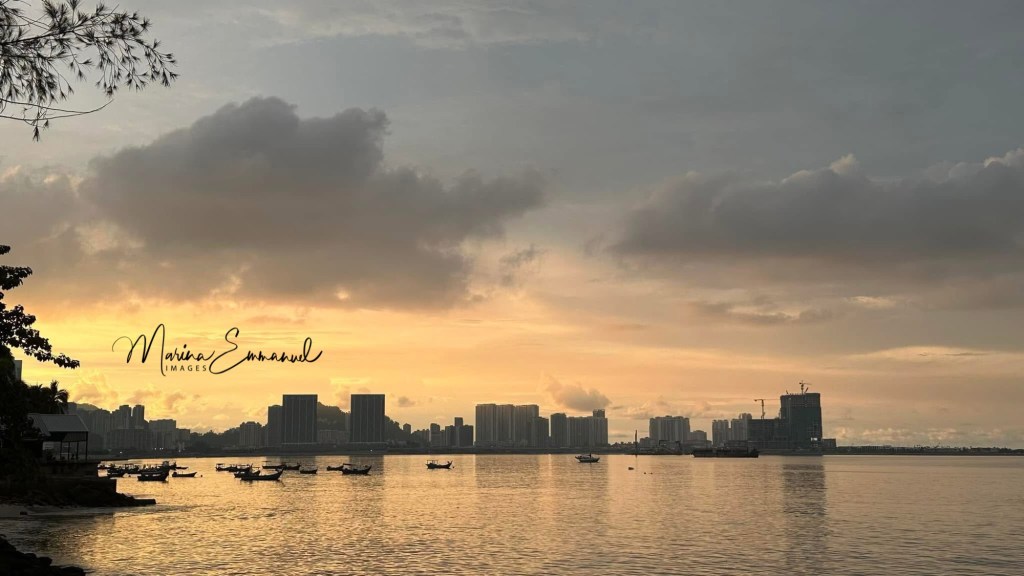
The map changes. The sea pays

The UNESCO-linked initiative reframes the Indian Ocean not as a boundary, but as a bridge—one that enabled exchange across civilizations long before modern globalization.

Penang’s inclusion is rooted in real historical substance:

  • Its strategic location along major maritime routes
  • Its role as a trading hub connecting the Coromandel Coast, Sri Lanka, and Southeast Asia
  • Its layered cultural identity shaped by migration, commerce, and empire

The state authorities have indicated that tourism and heritage stakeholders will drive this effort forward, building on the existing UNESCO World Heritage framework.

In that sense, the recognition feels earned. It aligns with Penang’s long-cultivated image as the “Emerald of the Indian Ocean”—a place where history is still visibly embedded in its streets, ports, and communities.


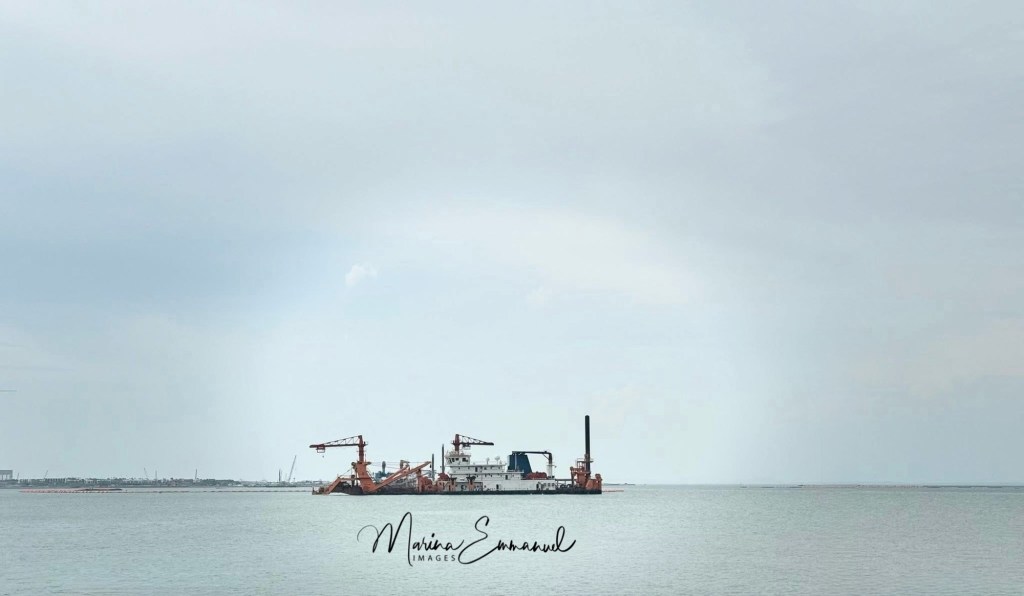
We redraw the coast, but erase what made it alive

But here is where the narrative becomes more complicated.

While Penang is being celebrated internationally for its maritime heritage, the present condition of its surrounding seas tells a very different story.

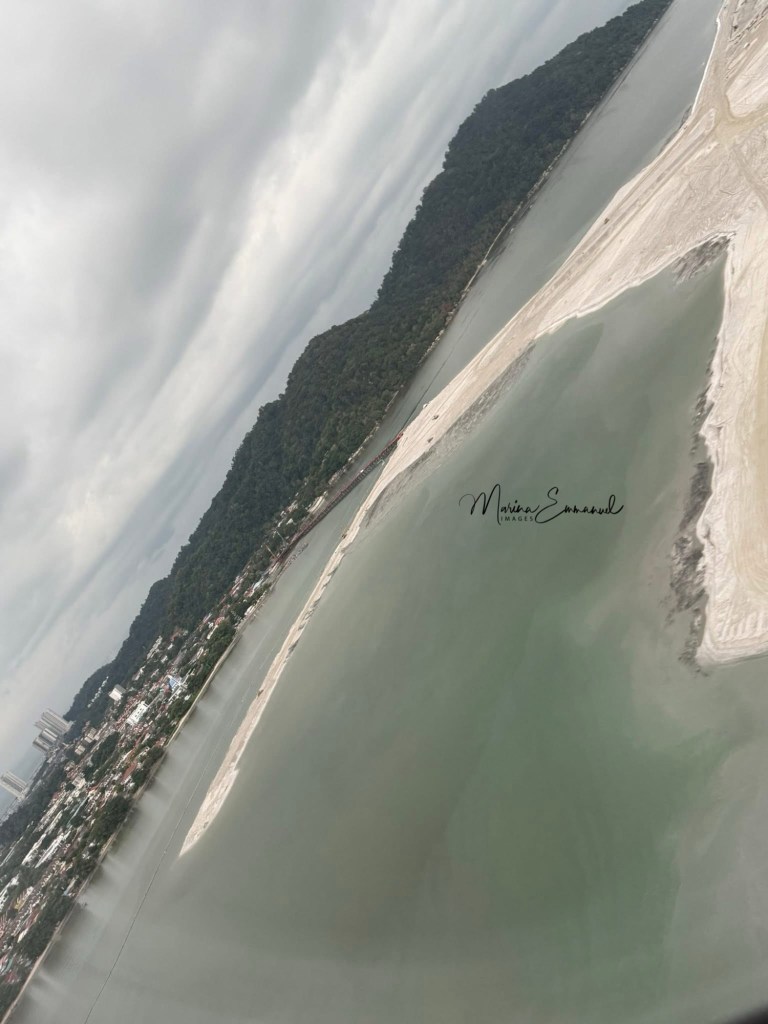
The waters that once enabled centuries of exchange are now increasingly defined by large-scale land reclamation projects.


Reclaimed land, lost ecosystems

These developments are not minor or isolated—they represent a sustained transformation of the island’s coastal ecology. Reclamation reshapes shorelines, disrupts sediment flows, and damages marine ecosystems that have existed long before Penang’s rise as a trading port.

The consequences are significant:

  • Loss of marine biodiversity
  • Disruption of fisheries and coastal livelihoods
  • Alteration of tidal and sediment dynamics
  • Long-term ecological instability

In other words, while we celebrate the historical importance of the sea, we are simultaneously altering—and in many cases degrading—the very environment that made that history possible.


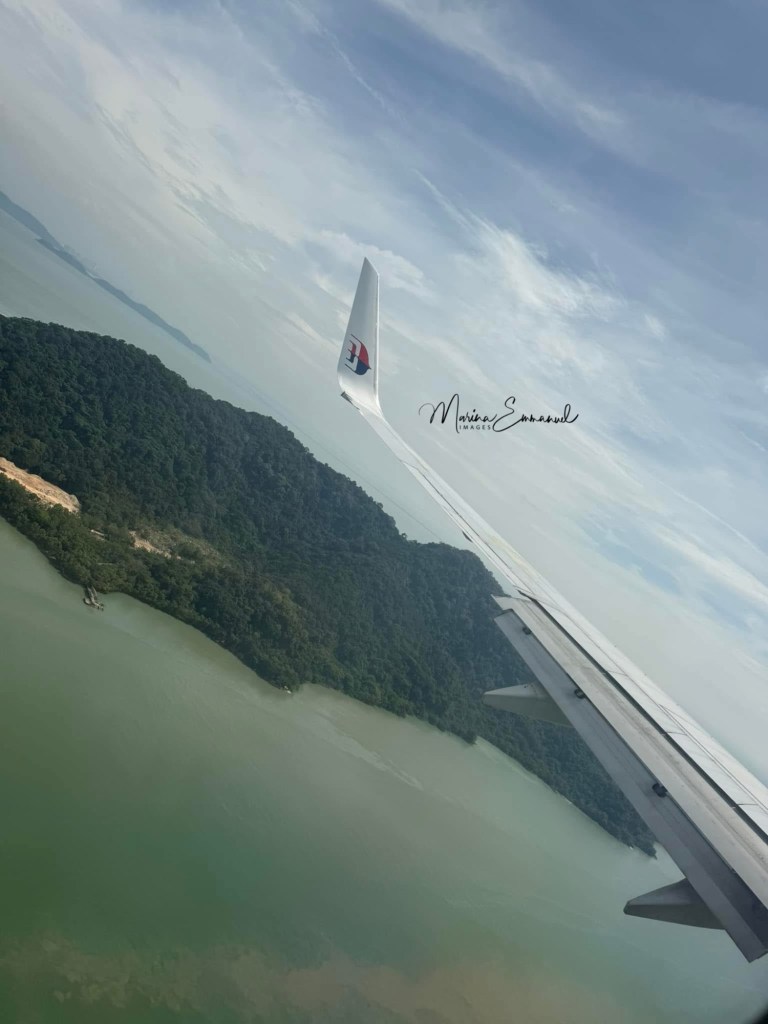
What looks calm from above is slowly being rewritten below

There is a deeper tension here.

UNESCO recognition tends to focus on tangible and intangible heritage—architecture, trade histories, cultural exchange. But maritime heritage is not just about ships, ports, and old trade routes. It is also about the living ocean systems that sustained those networks.

To celebrate one while neglecting the other risks turning heritage into something purely symbolic—detached from present-day realities.

If Penang is to fully embrace its role in this Indian Ocean narrative, it raises an uncomfortable but necessary question …

None of this diminishes the importance of Penang’s selection. It is a positive step.

It opens doors for:

  • Greater international collaboration
  • Expanded historical research and storytelling
  • More sustainable and culturally grounded tourism

But its real value will depend on what comes next.

If this recognition remains confined to branding and tourism promotion, it risks becoming another layer of polished narrative.


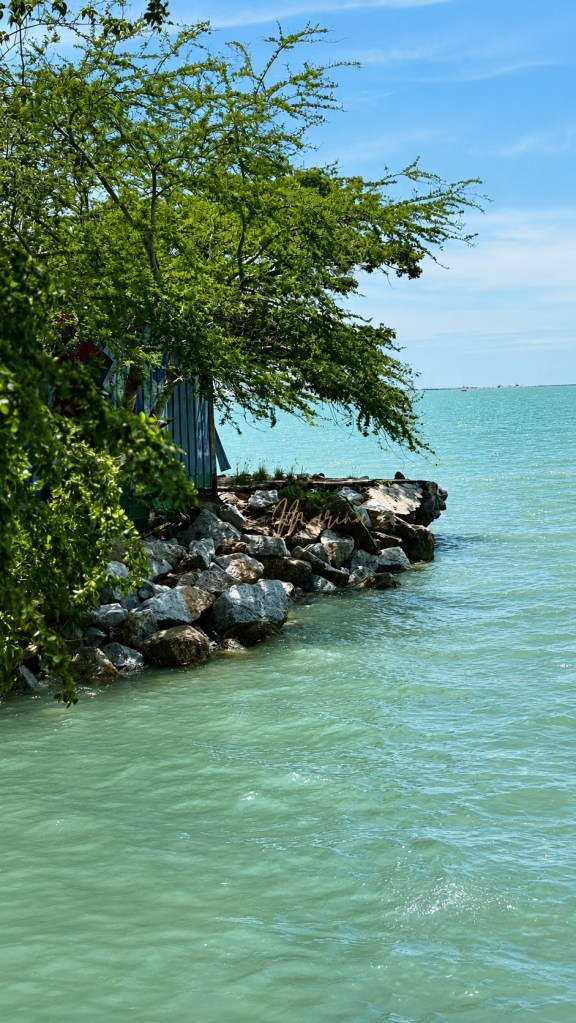
Soft blues and greens, quieter truths

If, however, it sparks a broader commitment—one that includes protecting marine ecosystems alongside preserving heritage buildings—then it could become something far more meaningful.

Penang stands at an interesting crossroads:

  • Globally recognized for its past
  • Locally challenged in its present

Bridging that gap will require aligning heritage policy with environmental reality.

Because ultimately, maritime heritage is not just about where ships once sailed—it is about the waters they sailed on.

And those waters, today, deserve as much attention as the history they carried.


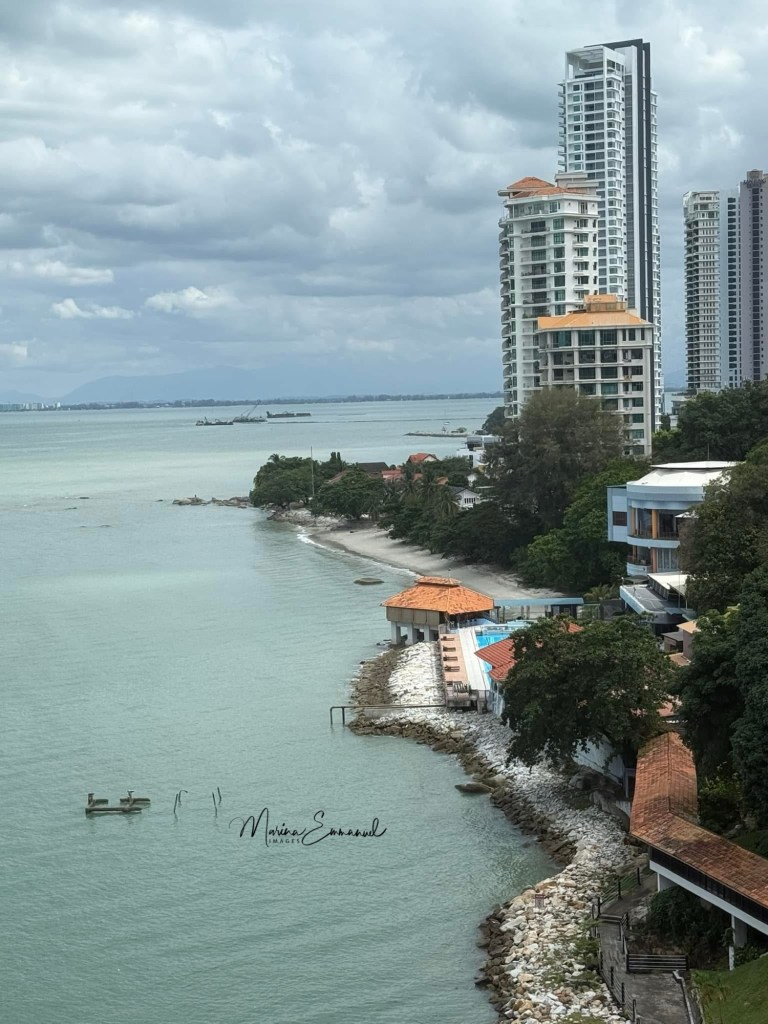
Beauty, on borrowed time

Ends.