
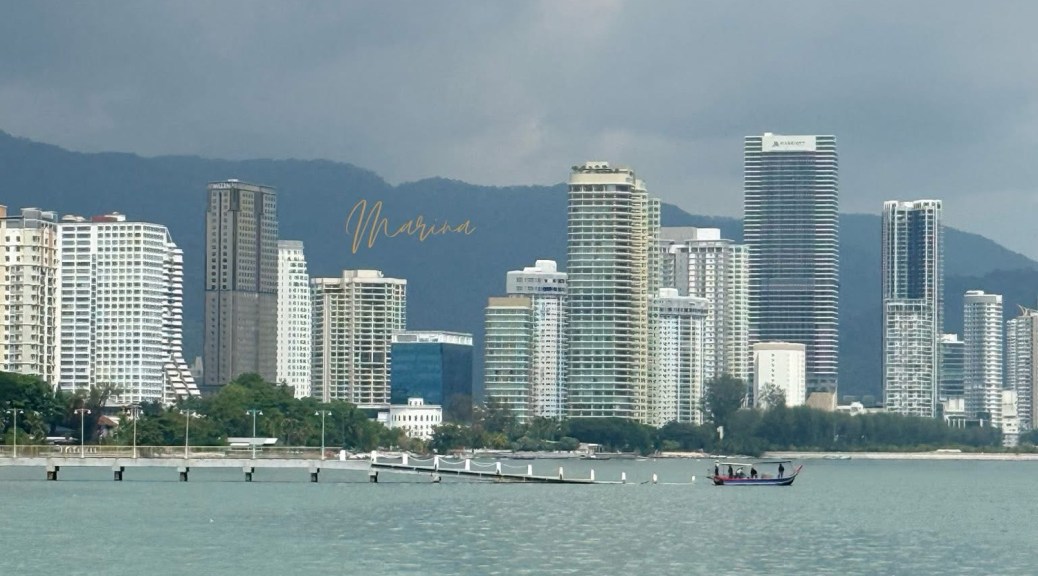
Penang has just been selected as Malaysia’s representative in a prestigious transnational UNESCO initiative highlighting Indian Ocean maritime heritage—a network spanning 17 countries that seeks to recognize the region’s historic role as a corridor of trade, culture, and ideas.
At first glance, this is undeniably good news.
For a place like George Town—already globally recognized for its architectural and cultural richness—this adds another layer of validation. It reinforces Penang’s long-standing identity as a maritime crossroads, where influences from the Indian subcontinent, Southeast Asia, and beyond converged over centuries.
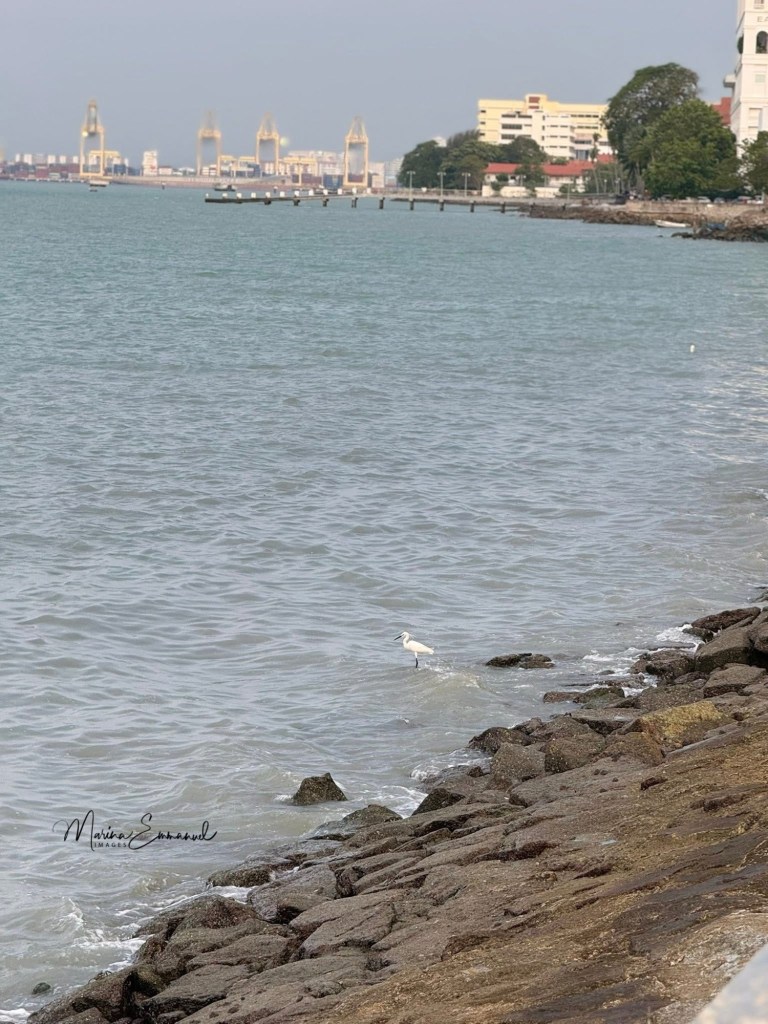
The map changes. The sea pays
The UNESCO-linked initiative reframes the Indian Ocean not as a boundary, but as a bridge—one that enabled exchange across civilizations long before modern globalization.
Penang’s inclusion is rooted in real historical substance:
- Its strategic location along major maritime routes
- Its role as a trading hub connecting the Coromandel Coast, Sri Lanka, and Southeast Asia
- Its layered cultural identity shaped by migration, commerce, and empire
The state authorities have indicated that tourism and heritage stakeholders will drive this effort forward, building on the existing UNESCO World Heritage framework.
In that sense, the recognition feels earned. It aligns with Penang’s long-cultivated image as the “Emerald of the Indian Ocean”—a place where history is still visibly embedded in its streets, ports, and communities.
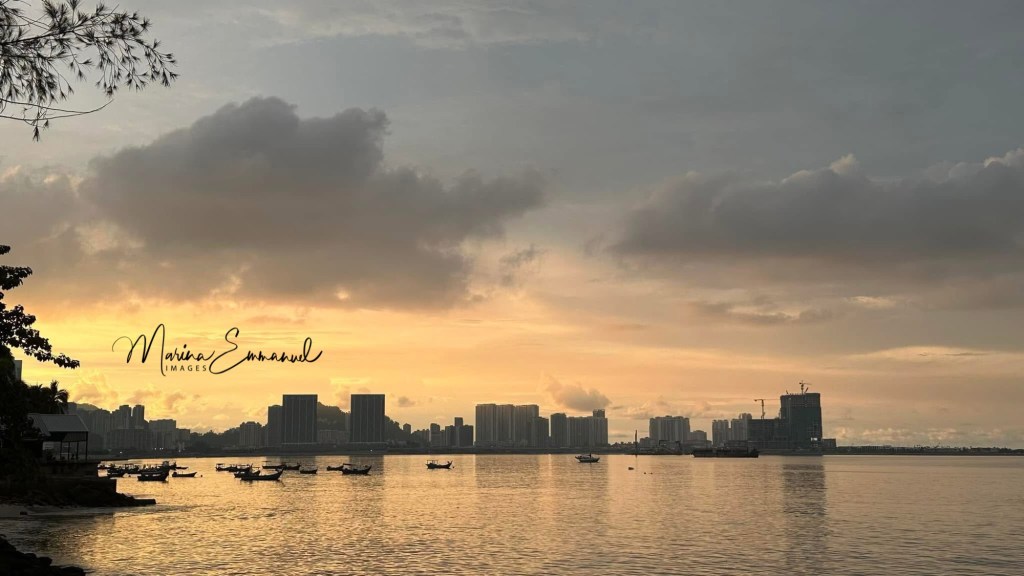
We redraw the coast, but erase what made it alive
But here is where the narrative becomes more complicated.
While Penang is being celebrated internationally for its maritime heritage, the present condition of its surrounding seas tells a very different story.
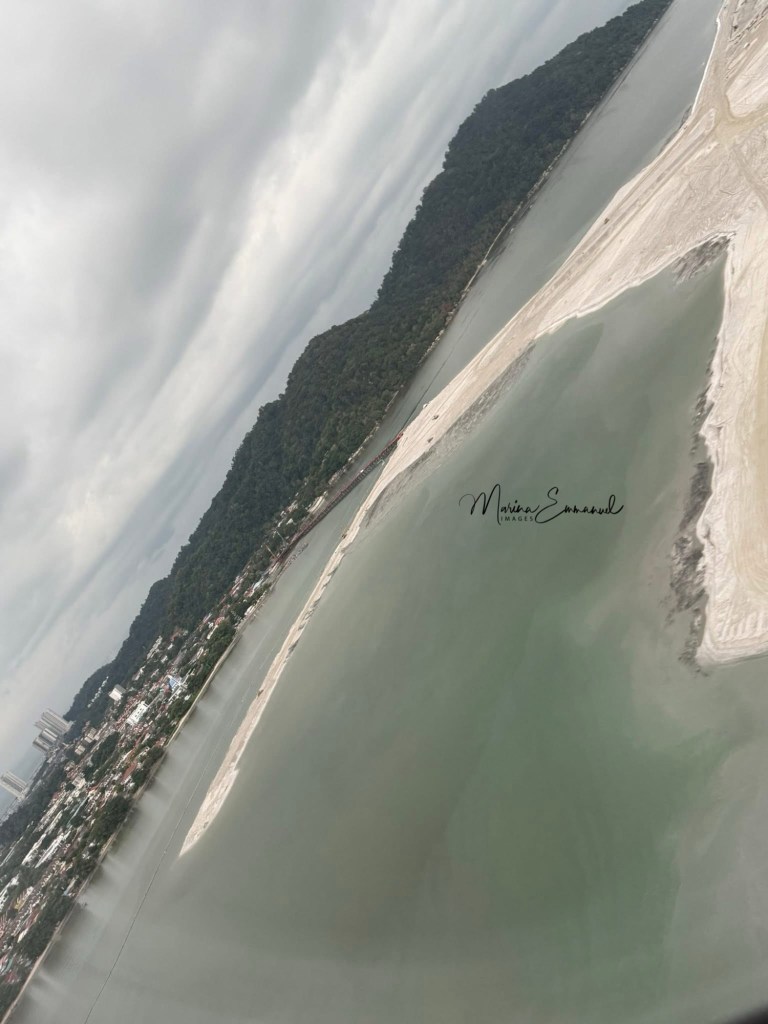
The waters that once enabled centuries of exchange are now increasingly defined by large-scale land reclamation projects.
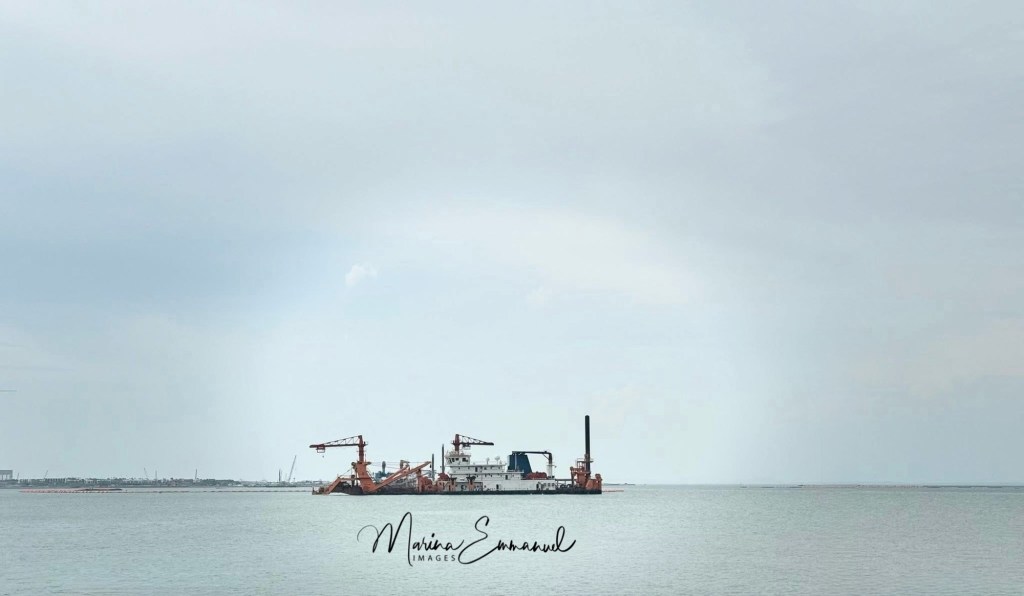
Reclaimed land, lost ecosystems
These developments are not minor or isolated—they represent a sustained transformation of the island’s coastal ecology. Reclamation reshapes shorelines, disrupts sediment flows, and damages marine ecosystems that have existed long before Penang’s rise as a trading port.
The consequences are significant:
- Loss of marine biodiversity
- Disruption of fisheries and coastal livelihoods
- Alteration of tidal and sediment dynamics
- Long-term ecological instability
In other words, while we celebrate the historical importance of the sea, we are simultaneously altering—and in many cases degrading—the very environment that made that history possible.
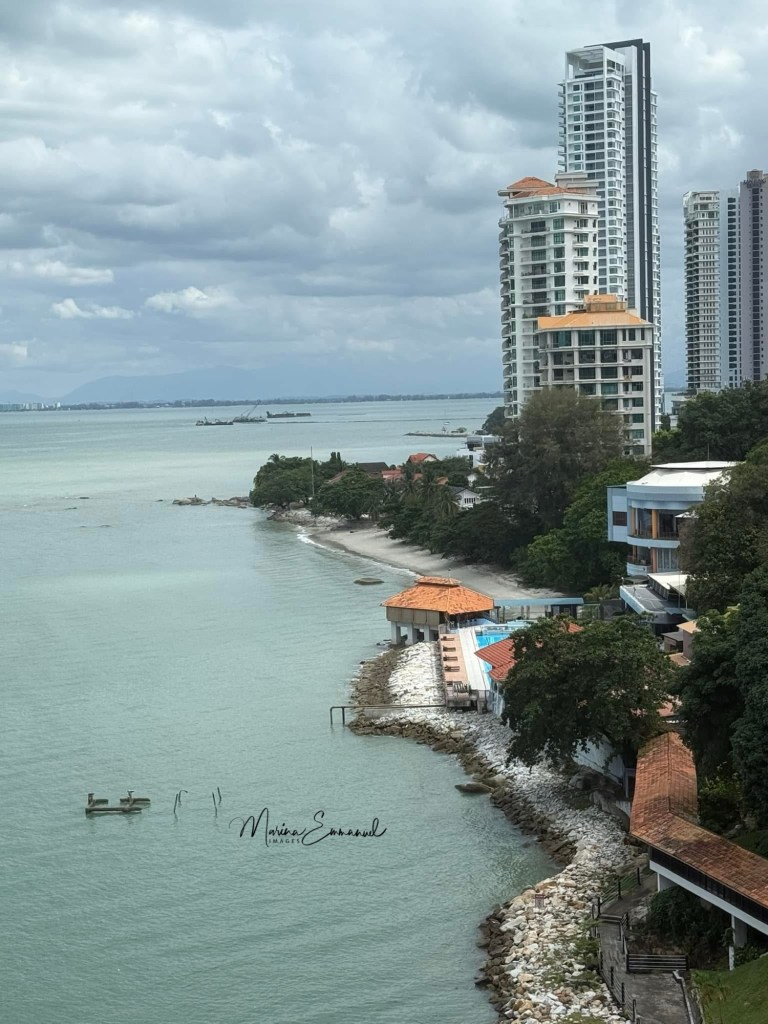
What looks calm from above is slowly being rewritten below
There is a deeper tension here.
UNESCO recognition tends to focus on tangible and intangible heritage—architecture, trade histories, cultural exchange. But maritime heritage is not just about ships, ports, and old trade routes. It is also about the living ocean systems that sustained those networks.
To celebrate one while neglecting the other risks turning heritage into something purely symbolic—detached from present-day realities.
If Penang is to fully embrace its role in this Indian Ocean narrative, it raises an uncomfortable but necessary question …
None of this diminishes the importance of Penang’s selection. It is a positive step.
It opens doors for:
- Greater international collaboration
- Expanded historical research and storytelling
- More sustainable and culturally grounded tourism
But its real value will depend on what comes next.
If this recognition remains confined to branding and tourism promotion, it risks becoming another layer of polished narrative.
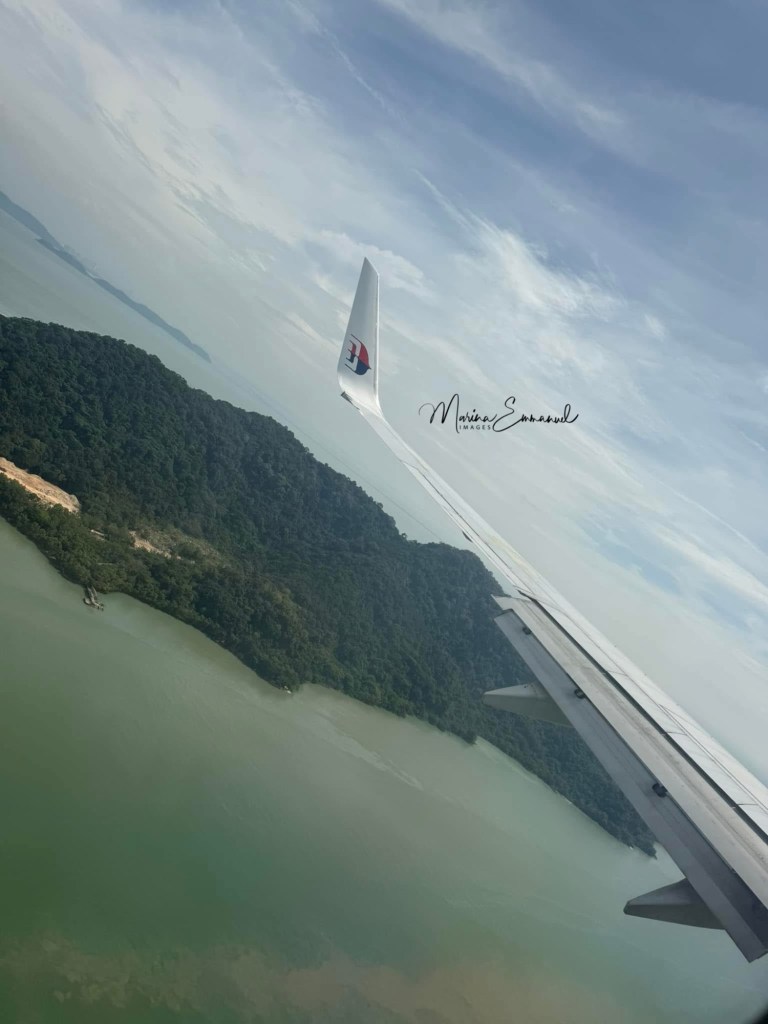
Soft blues and greens, quieter truths
If, however, it sparks a broader commitment—one that includes protecting marine ecosystems alongside preserving heritage buildings—then it could become something far more meaningful.
Penang stands at an interesting crossroads:
- Globally recognized for its past
- Locally challenged in its present
Bridging that gap will require aligning heritage policy with environmental reality.
Because ultimately, maritime heritage is not just about where ships once sailed—it is about the waters they sailed on.
And those waters, today, deserve as much attention as the history they carried.
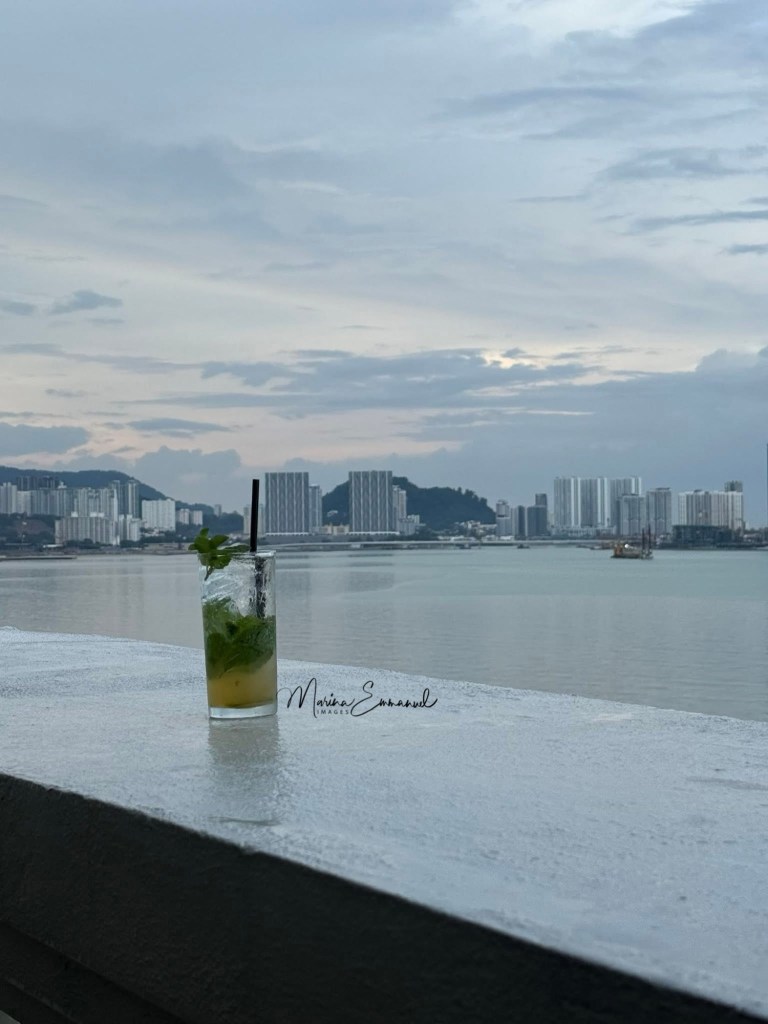
Beauty, on borrowed time
Ends.

