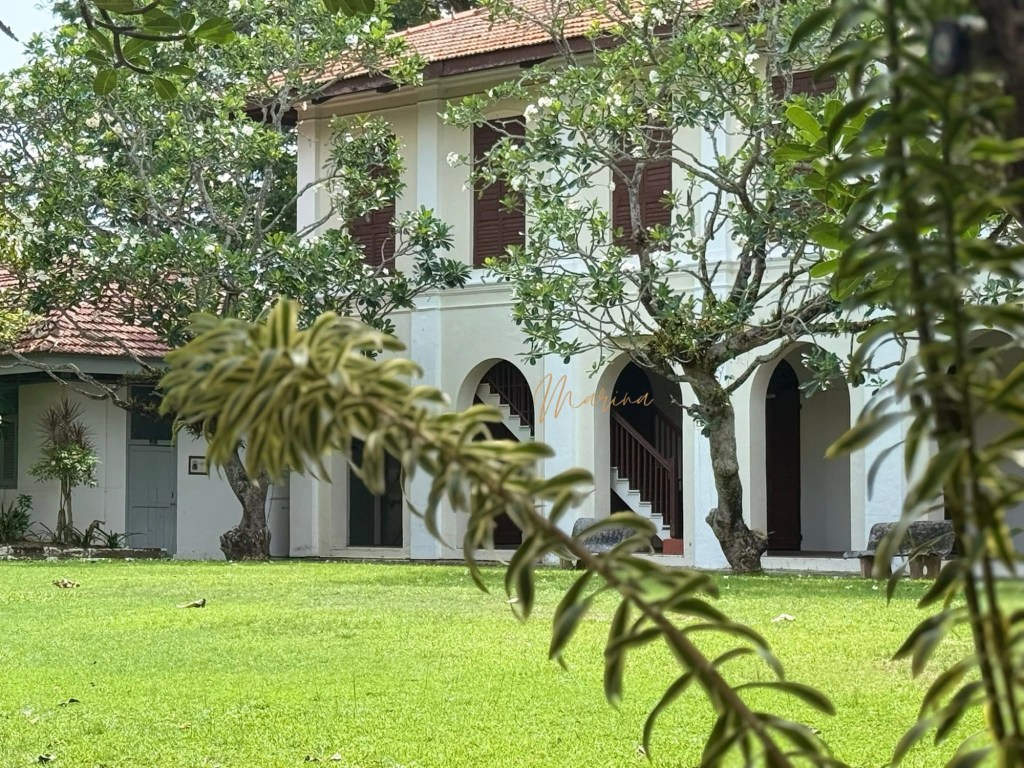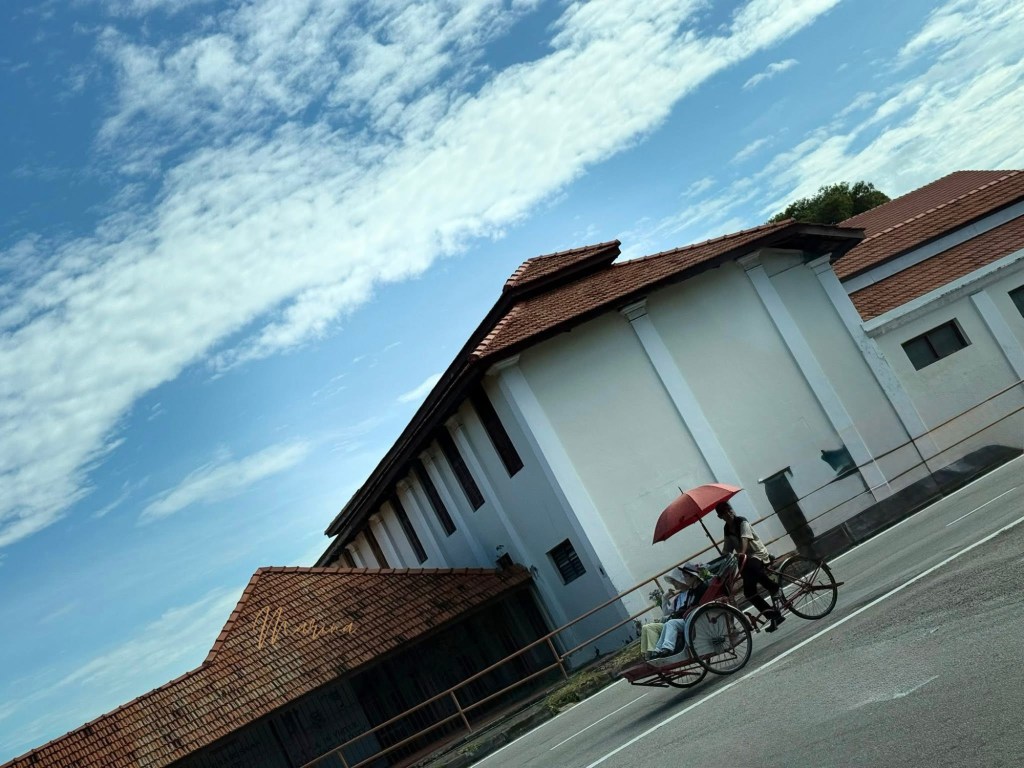
Some books tell you about a place. Others make you want to walk its streets again.
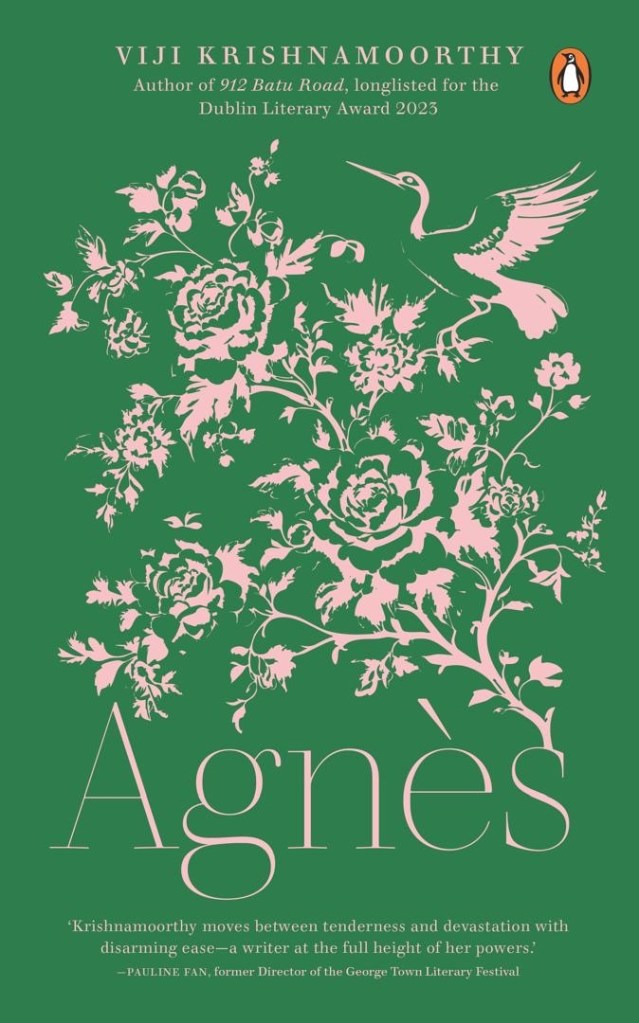
Viji Krishnamoorthy’s Agnès is one of the latter.
Set against the backdrop of early 20th-century Malaya, the novel opens dramatically with the sinking of the Russian cruiser Zhemtchug off Penang in 1914. A baby, rescued from the sea by a local fisherman and his son, is brought to the Sisters of the Infant Jesus at Convent Light Street, where she is given the name Agnès and raised in the Baby House.
From there, Penang becomes much more than a setting.
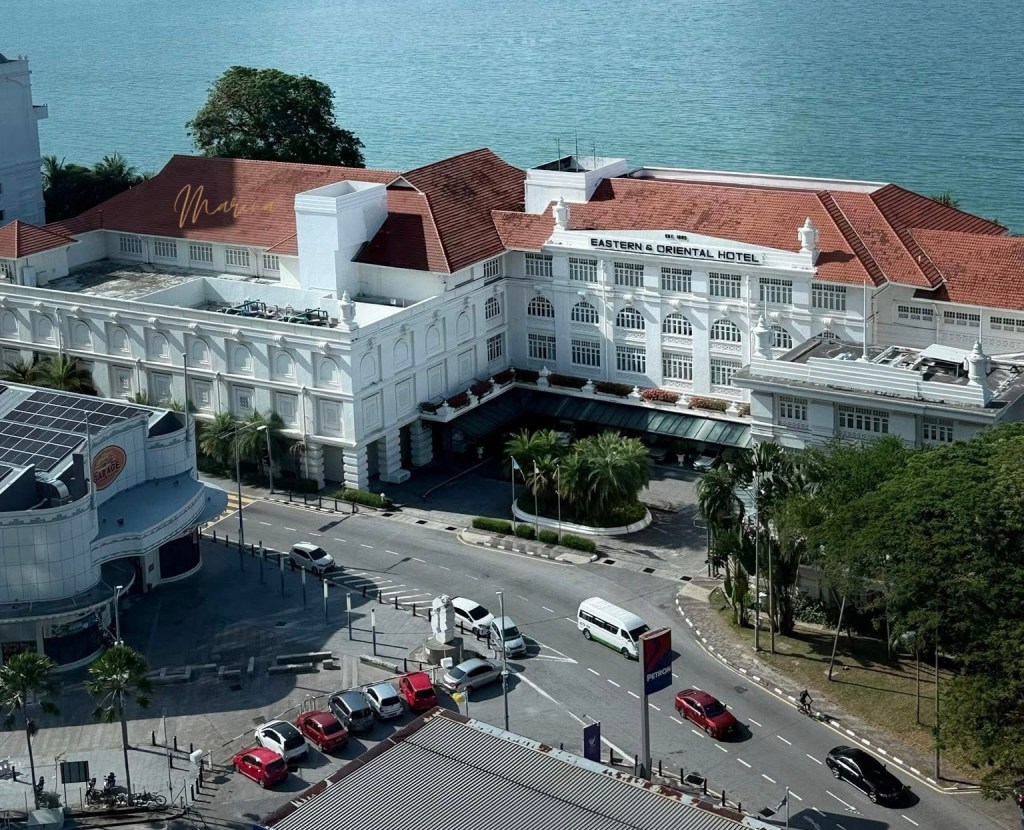
For those of us who know George Town, there is a particular pleasure in recognising the places woven into the story — the streets, the old institutions and, among them, the grand old Eastern & Oriental Hotel.
The E&O has always been more than a hotel in the Penang imagination. It is one of those unmistakable George Town landmarks that seems to have watched generations arrive, depart and pass through its doors. Established in the 19th century, it belongs to that wonderful collection of old Penang buildings whose histories have become inseparable from the island’s own.
And then there is Convent Light Street.
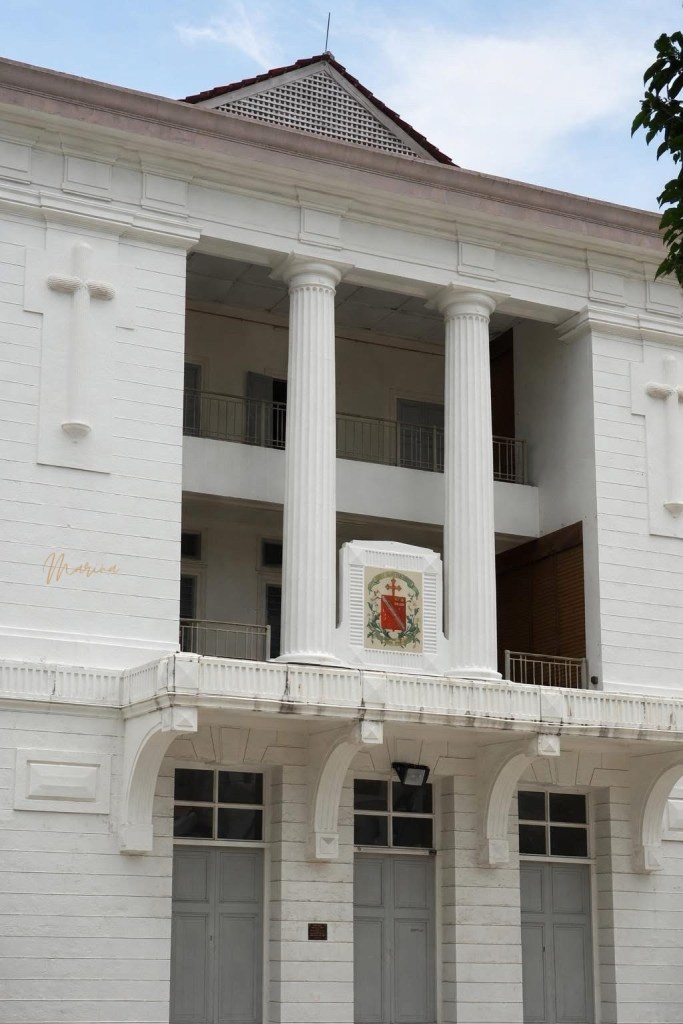
Founded in 1852, the school has witnessed an extraordinary sweep of Penang history — and its presence in Agnès gives the novel an added poignancy today. The school may have ceased operating as the girls’ school generations of Penang families knew, but the historic premises remain, preparing for another chapter.
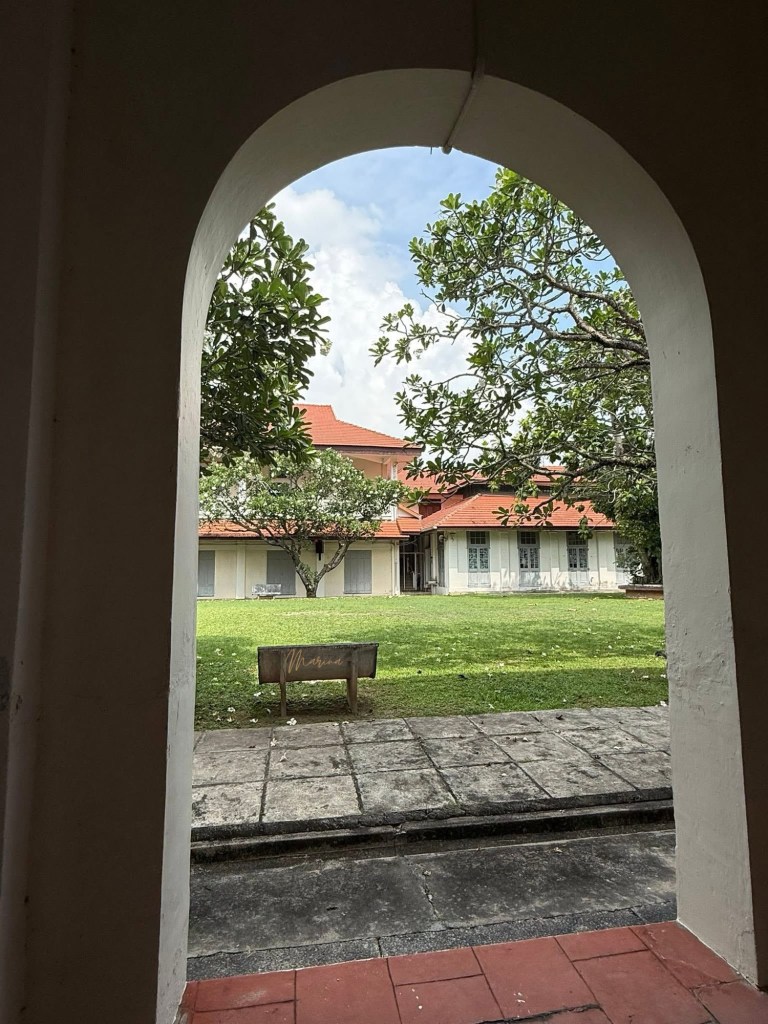
That sense of continuity — of old places finding new lives — feels particularly appropriate in a novel about identity, belonging, loss and starting again.
It also brings to mind Krishnamoorthy’s debut, 912 Batu Road, which similarly uses real and imagined places to anchor a story in Malaya’s past. In fact, Krishnamoorthy has spoken about how addresses became important in 912 Batu Road, giving her historical fiction a tangible sense of place.
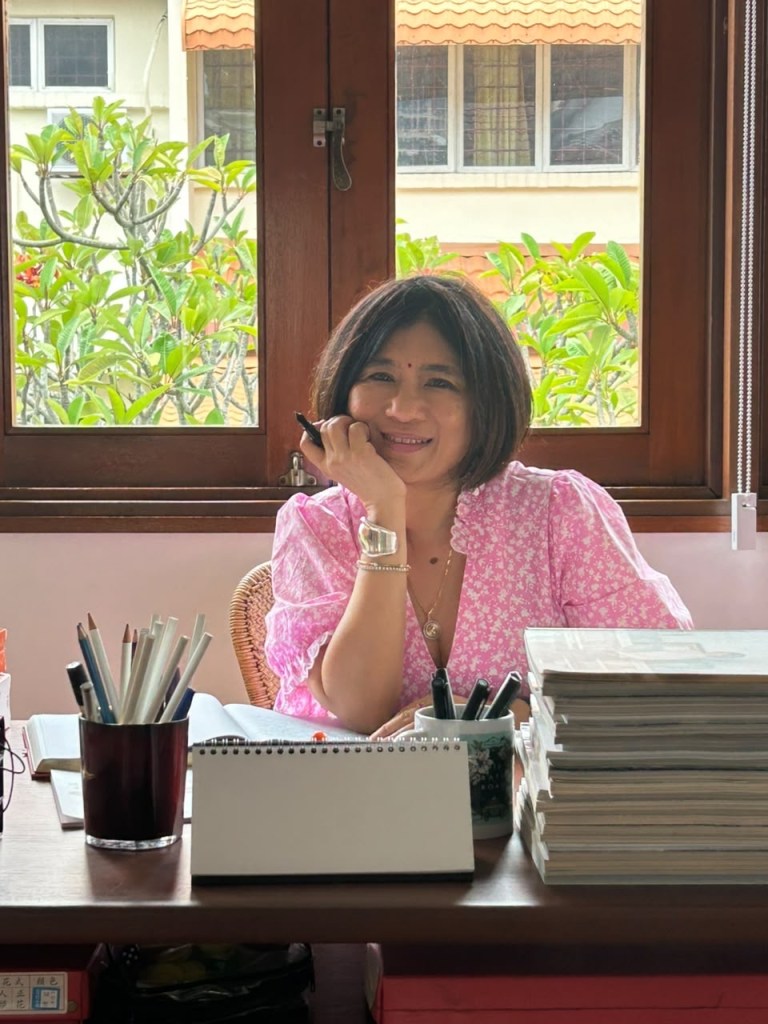
There is, then, a lovely thread connecting the two novels: place-making.
In 912 Batu Road, a house becomes an anchor for family, migration and memory. In Agnès, an institution — and the city around it — provides that anchor.
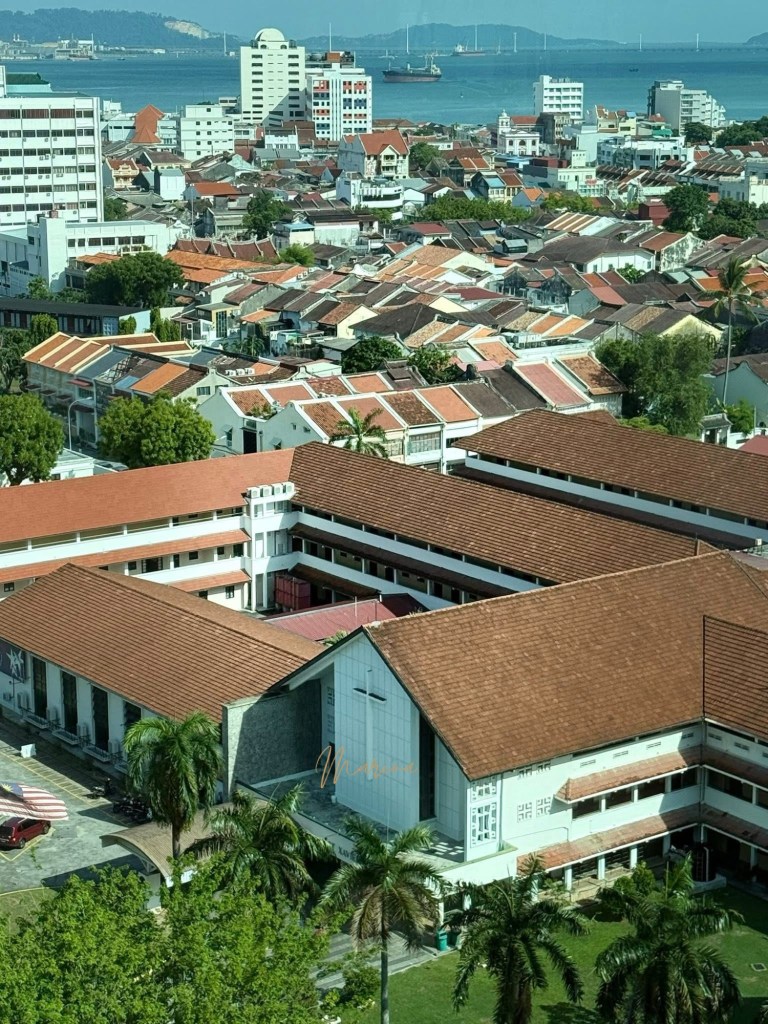
Perhaps this is what I enjoyed most about Agnès as a Penang reader.
You begin with Agnès and her extraordinary story. But along the way, Penang quietly takes centre stage — its old buildings, its layered history and those familiar places that have somehow managed to outlive the generations who once filled them.
And that is the thing about Penang.
Look closely enough at almost any old building and there is a story waiting there.
Sometimes, all it needs is a good writer to bring it back to life.